MODULE 1
#DEN4001
#D4/S1/W1
#Paediatrics
#SND
Ages and dental visits
0-2 years
- minimal understanding
- completely new environment
- comfort with parental presence
2 year old - limited vocab
- need to touch and observe objects
- shy of new things
3 year old - better vocab, easier to communicate with
- more secure in presence of parents or carers
4-5 year old - listen with interest and good communication with adults
- respond well to verbal directions
- cooperative patients
Key takeaways
- DA and dentist must work together
- initial convo should be with child and parent, ideally using child on parents lap to include them
- warm and friendly introduction
- tell show do
- explain basically
- show what we will use
- do the treatment
- good OHI to set them up for life
- warm goodbye
Piaget's stages of cognitive development
- Sensorimotor 0-2 years of age
- differentiate self from objects
- recognises self as agent of action
- object permanence
- preoperational thought 2-7 years
- thought pattern not well developed
- ego centric
- unable to encompass another persons point of view
- objects classified by feature
- inflexible
- language development still
- ability to predict outcomes is developing
- concrete operations 7-11 years
- logical reasoning, consider others POV, assess more than one aspect of situation
- classify objects according to several features and can order in a series
- abstract thought not well developed
- formal operations
- logical abstract thinking so that different possibilities for action can be considered
- become concerned with hypothetical, future and ideological problems
ATTACHMENT THEORY JOHN BOWLBY
- quality of infant primary care giver interaction is important factor in development of insecure and anxious patterns of behaviour in a child
- affect ability to
- form stable relationships
- develop self sense of worth
- move towards independence
Six stages of successful dental consult (Wanless and Holloway 1994)
- greeting
- preliminary chat
- preliminary explanation
- business (exam and treatment plan)
- health education
- dismissal
Special Needs Dentistry
Special need
- intellectual disability or impairment
- physical disability or impairment
- impairment of senses (hearing or sight)
- psych impairment
- geriatric patients
what is a disability
- impairment
- the loss or abnormality of physiological, psychological or anatomical structure or function
- disability
- outcome of the interaction between person with an impairment and the attitudinal and environmental barriers thaey may face
Models of Disability
Medical model
- views people with a disability as being broken and incapable of fitting into mainstream society
- disability is a problem that belongs to the individual
- responsibility of person with disability to overcome the barriers they face
charitable model - views people with disability as being vulnerable, and reliant on people without disability to perform certain tasks
- undermines autonomy of people with disabilities
social model - asserts that the limitations experienced by people with disability are the result of inaccessible systems and processes in mainstream society
- 3 major barriers
- physical - exclusion from built environment
- institutional - systematic exclusion or neglect in social, legal, educational, religious and political institutions
- attitudinal - negative valuations of disabled people by non disabled people
Human rights model - recognises that people with disability have the same rights as everyone else in society, and says that governments around the world have a role to play in upholding these rights
- experiences and disabilities are unique to each person, and contributes to sense of identity
- ability to reach potential is hindered by barriers and attitudes in society, not by differing ability
Informed consent
- a persons decision given voluntarily to agree to a healthcare treatment, procedure or other intervention that is made
- following provision of accurate and relevant information about healthcare intervention and options available
- with adequate knowledge and understanding of the benefits and material risks of the proposed intervention relevant to the person who would be having the treatment, procedure or other intervention
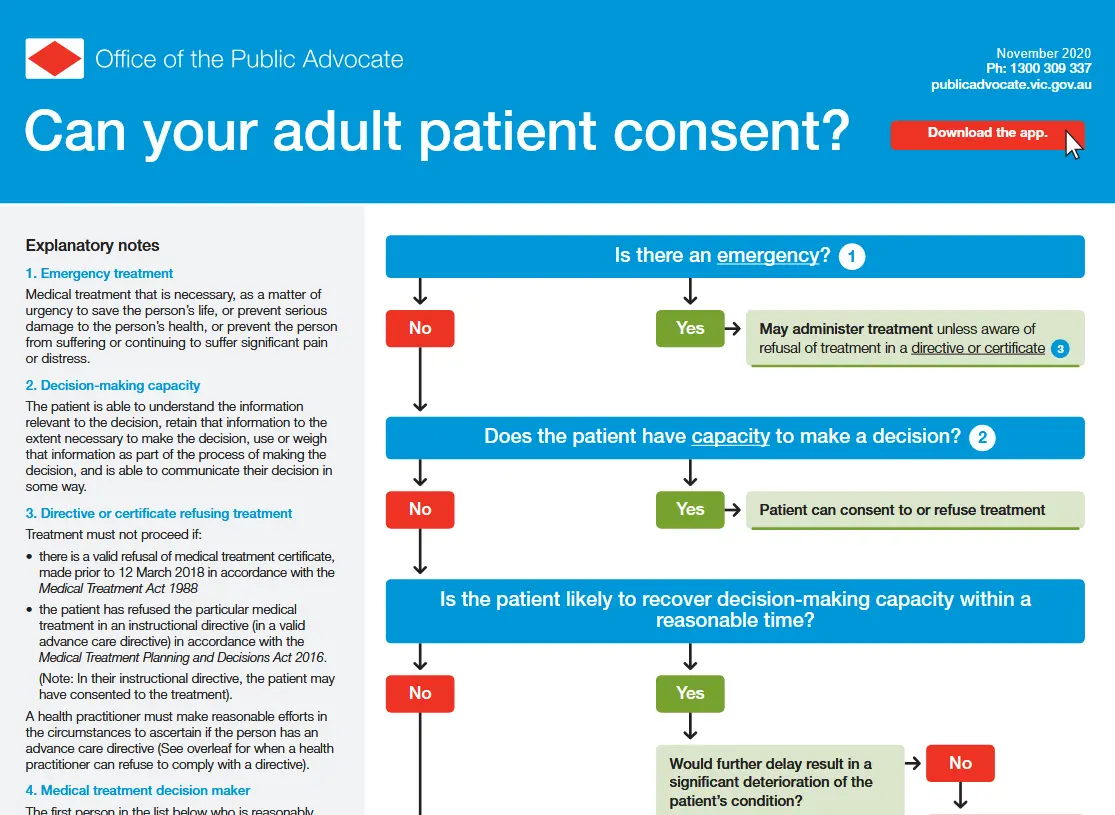
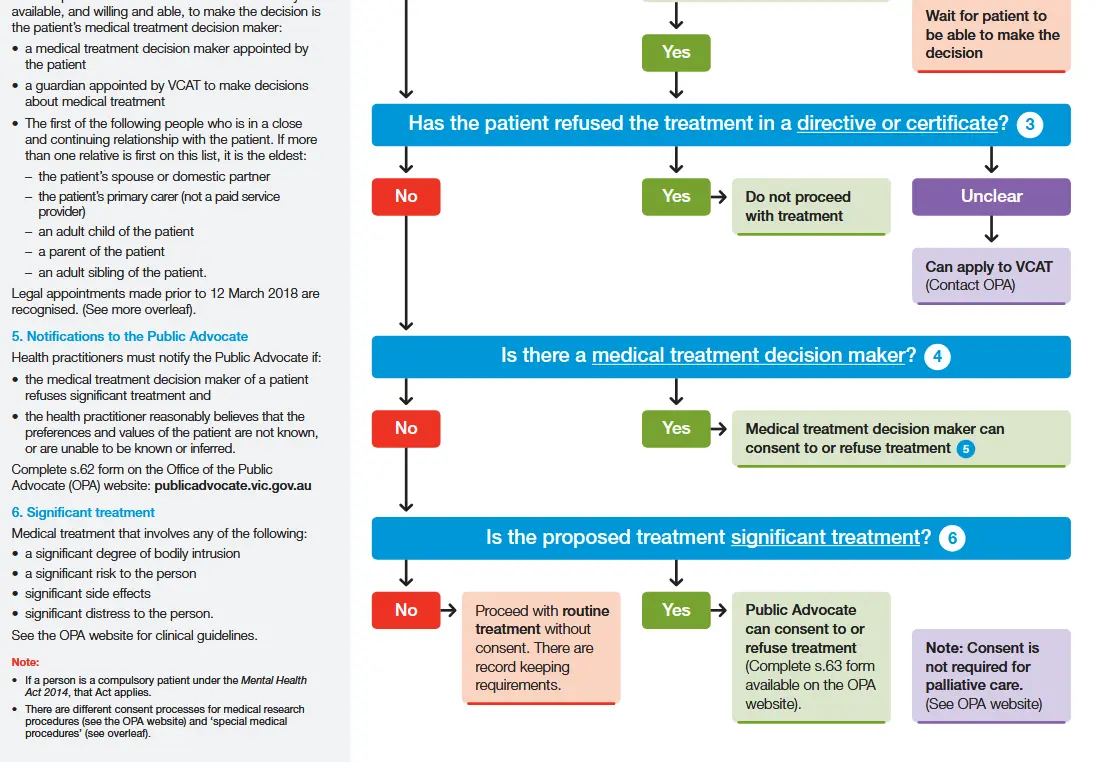
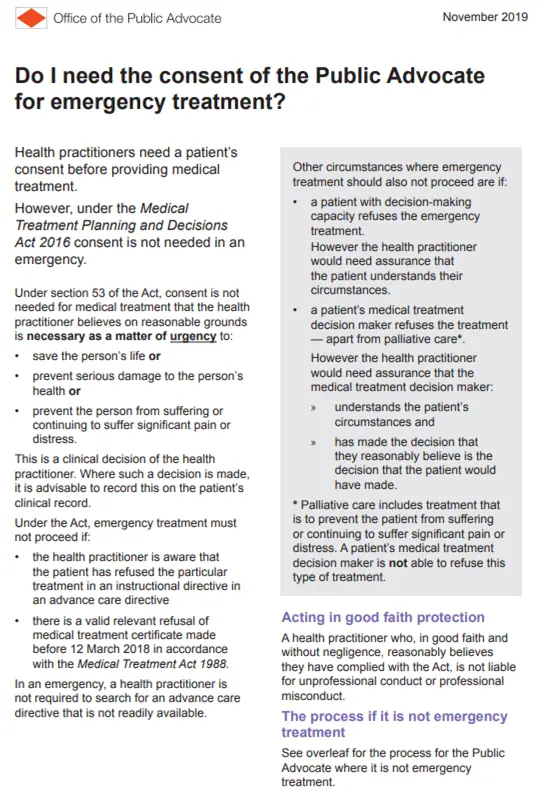
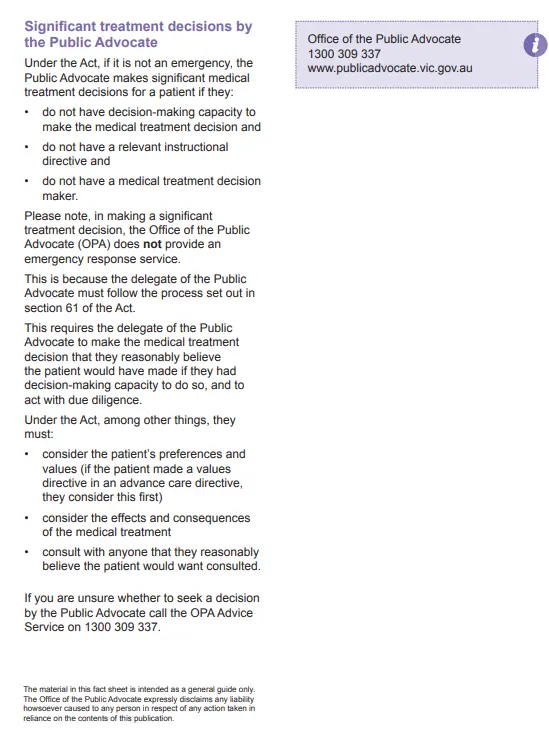
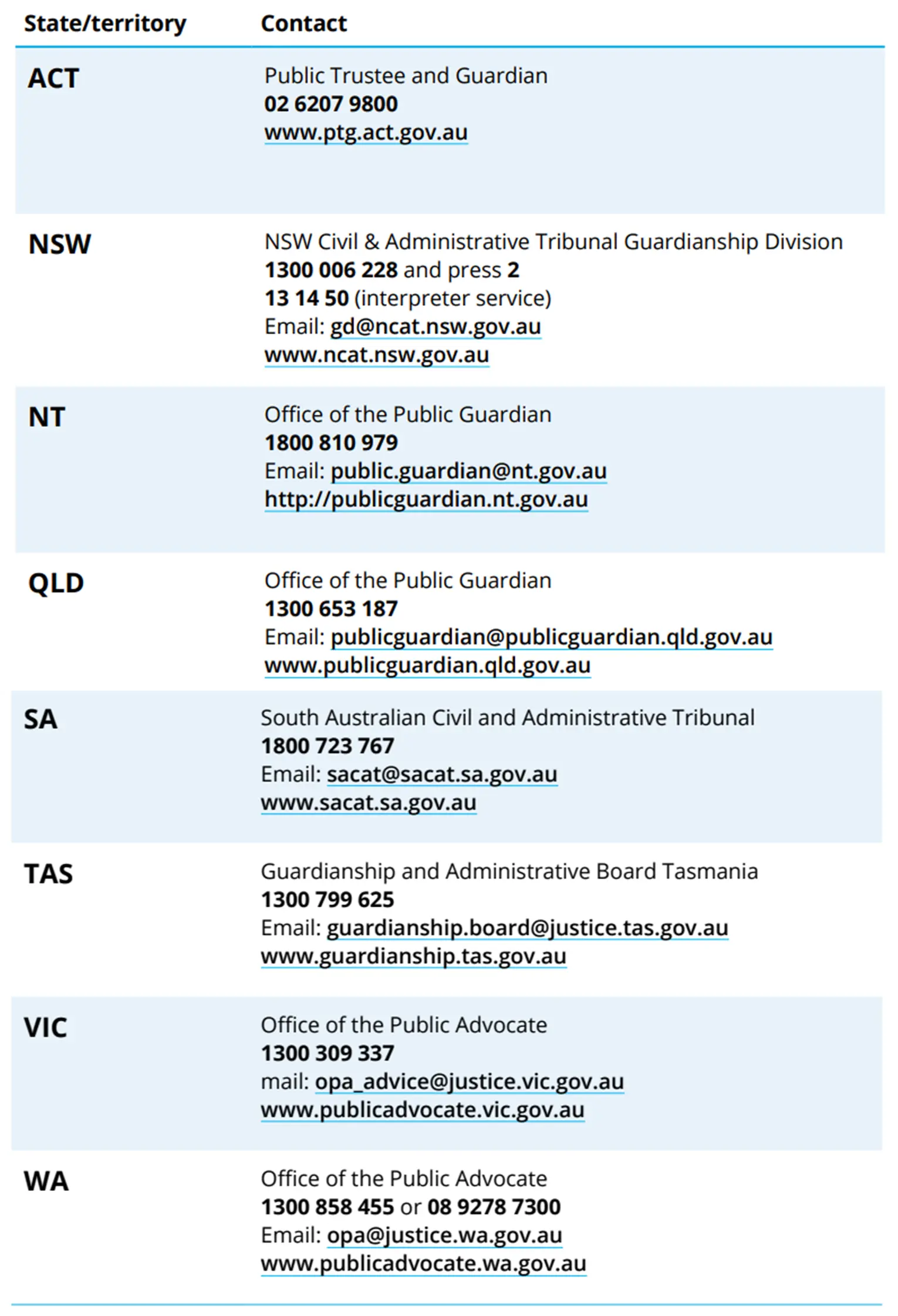
seek legal guidance if unsure
Tokenism
- policy or practice of limited inclusion of members of a minority group, usually creating a false appearance of inclusive practices
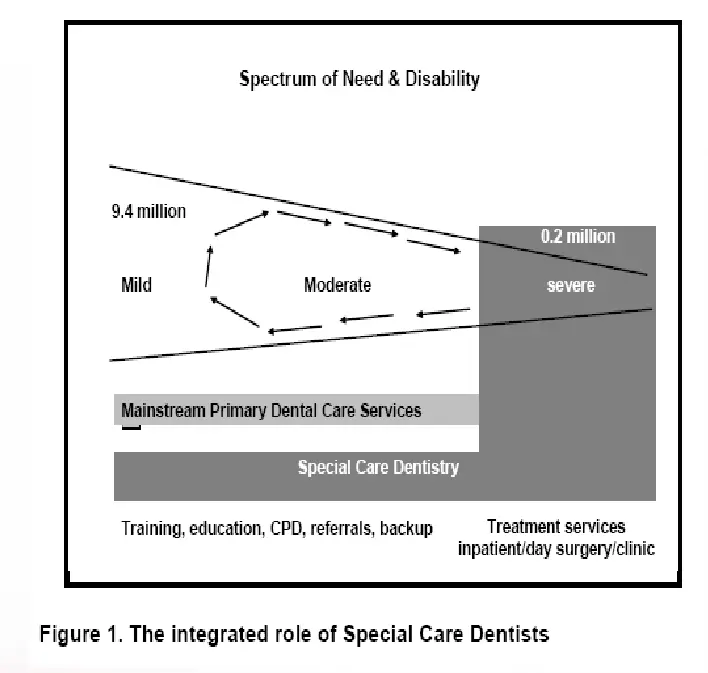
Special care dentistry
- concerned with providing and enabling the delivery of oral care for people with an impairment or disability,
- concerned with improvement of oral health of individuals and groups in society who have an impairment and/or disability
- requires holistic approach
Exceptions to practitioners duty to provide information
- therapeutic privilege, practitioner may withhold information in very limited circumstances if that information would seriously harm the patients health or welfare
- emergency treatment to an extent that is reasonably required, where the patient is temporarily unable to consent
Forms of consent
- oral or written, may be implied in certain circumstances
- written consent should be obtained for more complex, risky procedures or surgery
Capacity
- in short term, acute mental illness, drugs or alcohol may render patient incapable of consent
- senile, intellectually disabled or mentally ill patients may lack the capacity to consent
- adult patient may appoint an agent to make treatment decisions, against the possibility that the patient might become incompetent
- a child under age of 18 years old can consent to any medical or similar procedures if he or she has sufficient intelligence and maturity to understand the nature and consequence of the treatment
- if a child refuses treatment, a parent may only consent on the child's behalf if the child lacks the capacity to consent
- may be beyond power of parent to consent to major irreversible treatment and the intervention of the courts might be necessary