MODULE 2
#DEN4001
#D4/S1/W2
#Paediatrics
#SND
Communication strategies
Task breakdown
- activity broken down into component steps, which are individually and slowly presented
- similar to tell show do
tell show do
- break down task into steps
- tell patient what we will do
- show the patient what we will use
- then do the action
Rescuing
- second person enters situation to help the patient instead
Distraction
- singing, holding items, gentle touch, talking to distract the patient from the situation at hand
- direct attention and focus to another happening
Bridging
- patient holds same object to improve sensory connection and task focus while operator carries out an activity
hand over hand
- guide patient with your hand, good for OHI
CHaining
- operator starts activity and patient completes it
COMMUNICATION IN SND
Communication is a two way process involving the receiving and sending of information through a variety of means:
-
written
-
spoken
-
non-verbal methods such as
- tone of voice,
- facial expression
- body language
- gesture
-
people with learning disability have difficulties communication, may have difficulties understanding and using verbal methods, including:
- hearing and visual impairment
- difficulty focusing and sustaining attention
- poor auditory memory
- lengthy processing and response time, including others not allowing enough time
- difficulty understanding the words used by other people, such as grammatical concepts and time concepts
- limited expresdsive vocab and word finding difficulties
- weak and/or uncoordinated oral musculature
Communication
- reason for attendance
- medical history
- explain treatment needs
- gain informed consent
- provide appropriate preventive advice
- manage unfavourable clinical events
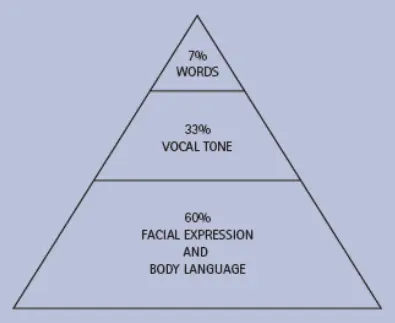
- words
- tone of voice
- body language
Lexicon of special needs
- not about the words but the context
- who says it
- who hears it
- where it is said
- when it is said
- how it is said
- Sensory Disability
- Hearing impairment
- Visual impairment
- Deaf and blind
- Neurological deficits
- Aphasia
- Dysarthria
- Alternative or augmentive communication
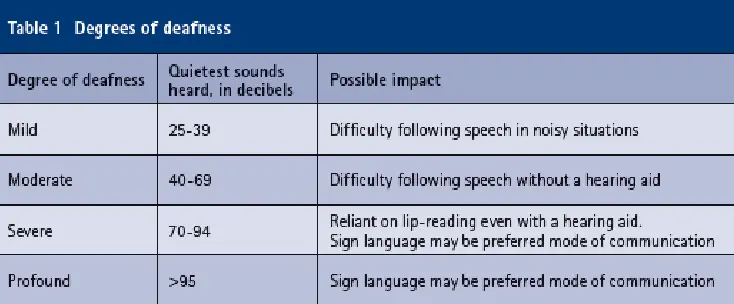
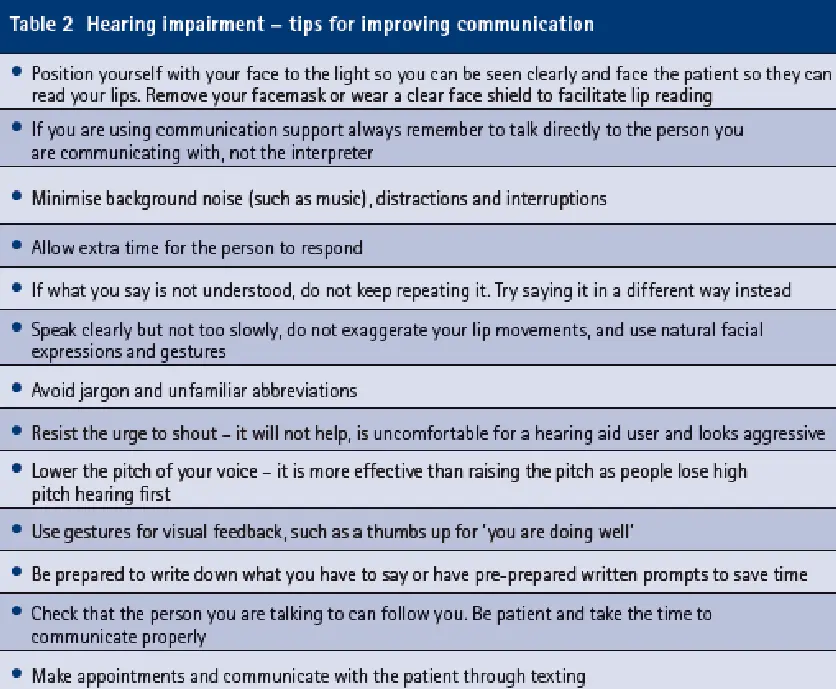
Hearing impairment
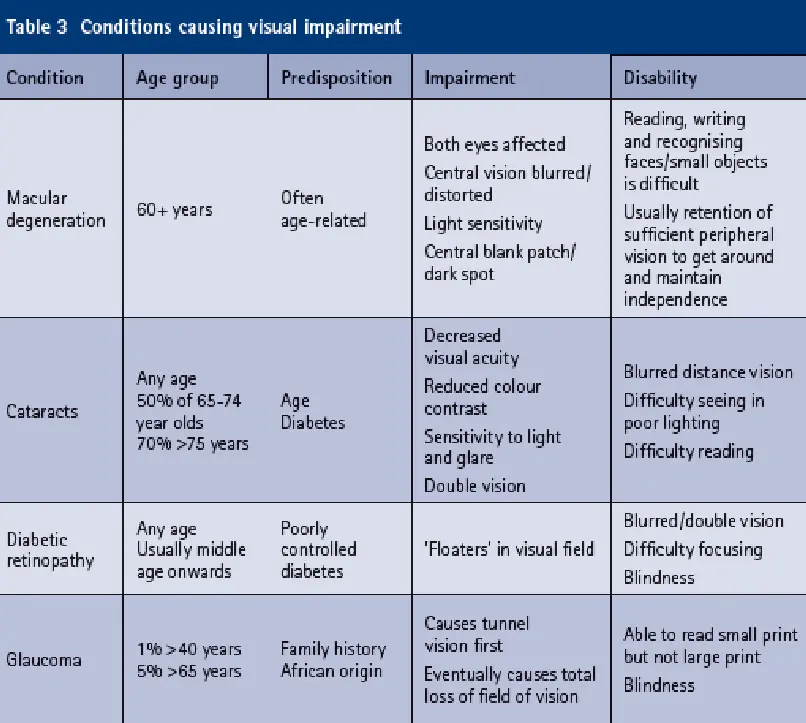
Visual impairment
- guide patient into surgery
- talking to patient in the surgery
- printed material
- letters
- appointment cards
- information sheets
- postoperative instructions
- signage in the practice
Deaf and blind
- generally partly deaf and partly blind in older population
- congenitally often linked to peri natal conditions such as rubella virus
- also congenitally associated with
- learning difficulties
- epilepsy
- physical disability
Aphasia
- acquired communication impairment resulting from damage to portions of brain responsible for speech
- impairs person ability to process language
- affects all 4 modalities of language
- reading
- writing
- comprehension
- expression
- problems with expressive language, receptive language or both
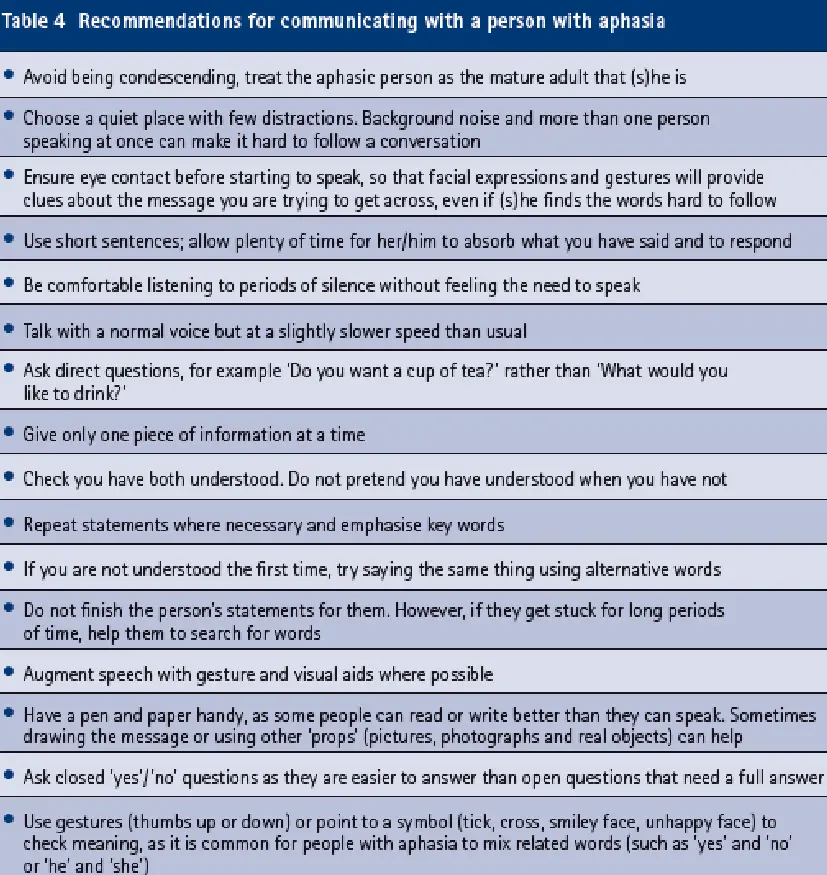
Dysarthria
- collective name for group of speech disorders resulting from neurogenic disturbances in muscular control and resultant paralysis, weakness or unco-ordination of speech musculature
- articulation
- resonance
- cerebral palsy
- multiple sclerosis
- motor neurone disease
- stroke
- best to encourage to do one thing at a time
- give time to reply
- reduce distractions/background noise
- watch person as they talk
- let speaker know when you have difficulty understanding them, don't pretend
- repeat part of the message you understood so they don't have to repeat the whole thing
Alternative or augmentive communication
- people with disability have varied communication skills
- people with moderate to severe levels of intellectual disability often are better at understanding than producing language
- unaided systems
- gestures (use a gesture to signify they want help etc., or using a photo book to communicate )
- key word signs (sign language)
- aided systems
- tech
- nontech
- books, boards
- charts
- cards
- picture sequences
- multimodal
- usually involves a combination of multiple methods
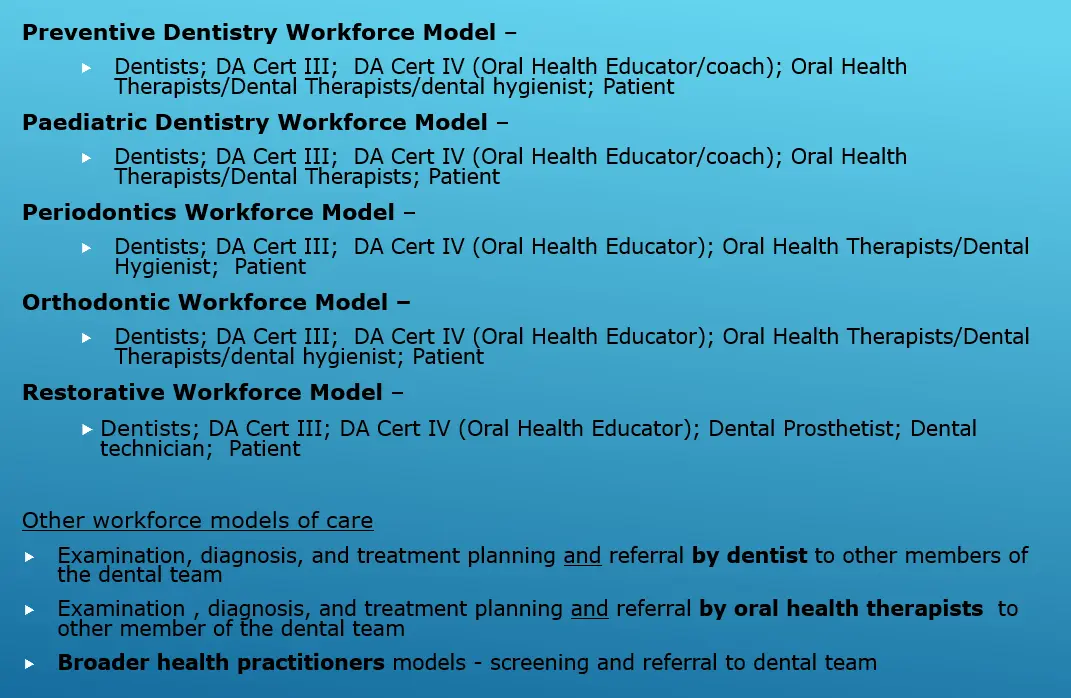
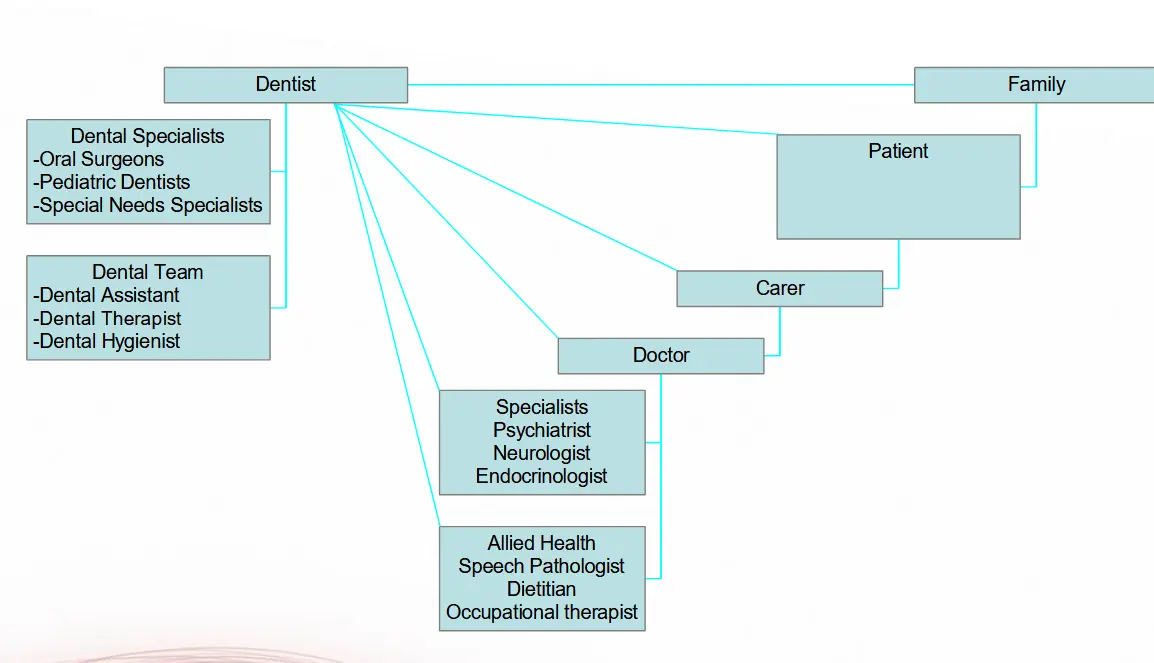
Paediatric Treatment Planning
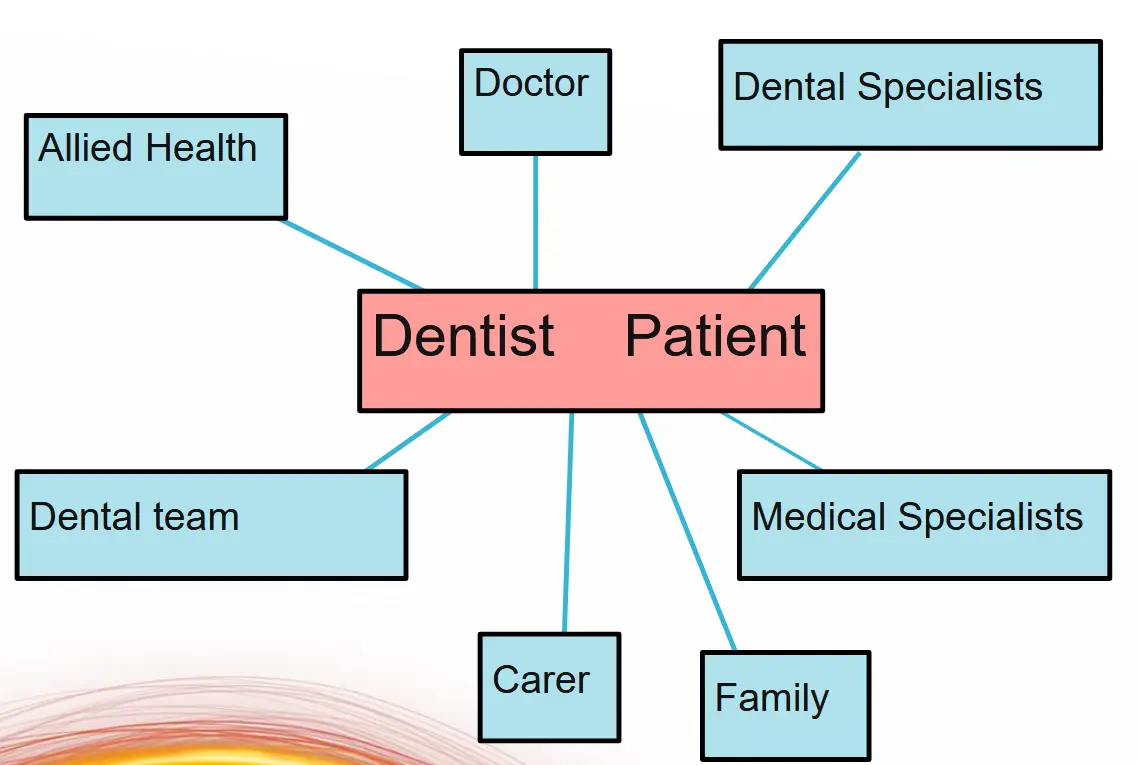
Key principles of teamwork
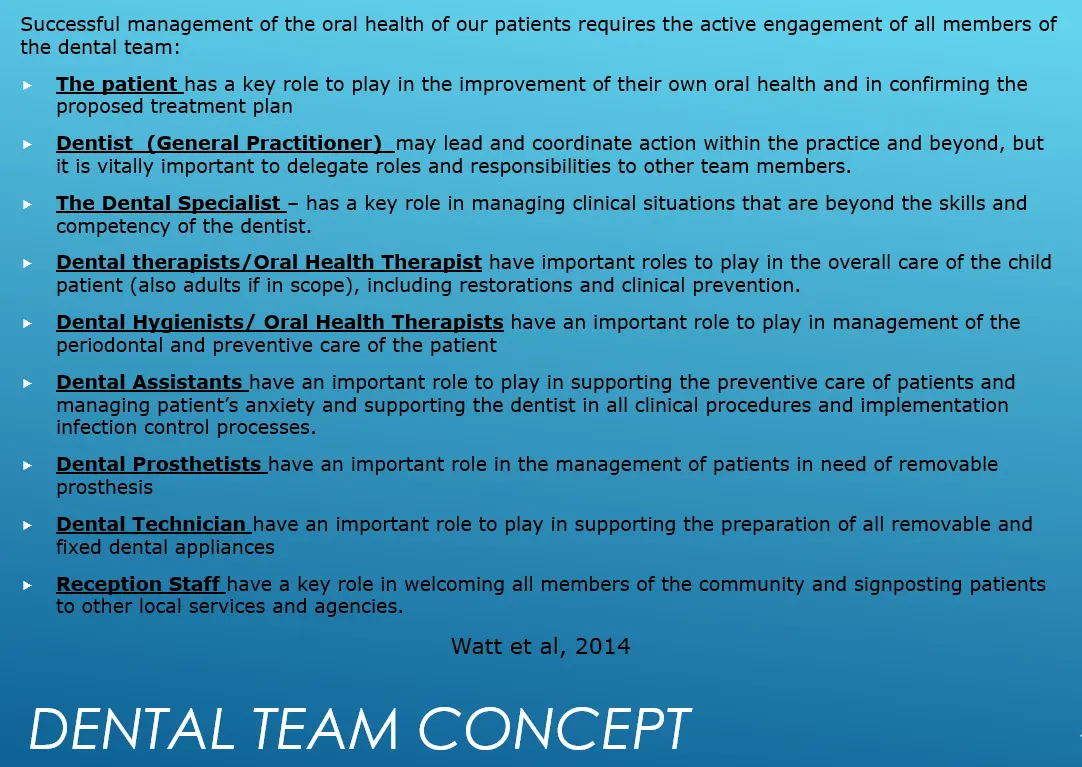
- shared understanding of who is part of the team
- shared goals
- clear roles and responsibilities
- mutual trust and respect
- effective communication
- quality improvement: measuring processes and outcomes