MODULE 7
#DEN4001
#D4/S1/W7
#Paediatrics
#Endo
Local Anaesthetics for Endodontics
LA Preop assessment
- level of anxiety
- previous history and experience
- cooperativity
- mouth opening
- gag reflex
- overall physical health
- appropriateness for other forms of sedation such as inhalation or IV
Assessment for IV sedation
- previous history
- drug abuse
- general health
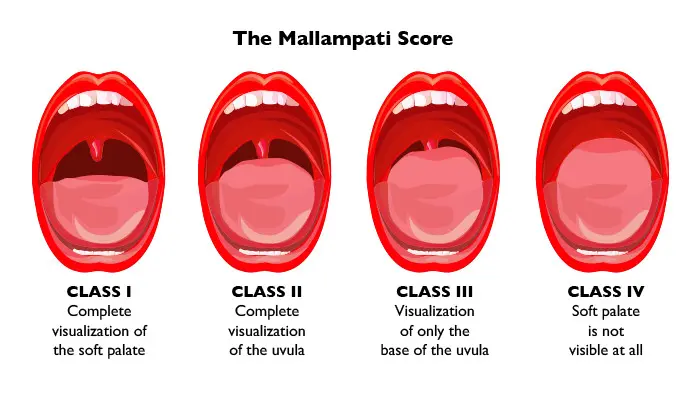
- mallampati score
- children - unpredictable
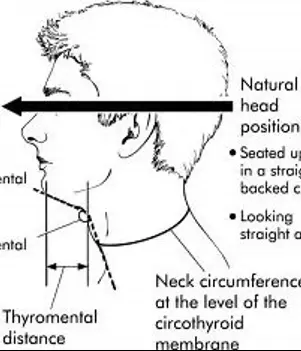
- sleep apnoea (thyromental distance)
- severe anxiety phobia
- cant open for long periods
- cant sit for long periods
- cant handle rubber dam
- severe gag reflex
Mallampati score
Psychological management
- perceive all symptoms and complaints as real
- show support, listening actively, express empathy, being non-judgemental, eye contact
- calm and confident
- positive attitude
- patient should be informed about what to expect
- ask why they are anxious
Endodontic therapeutics
- rationale -> reduction of chemical mediators that activate or sensitise nociceptors
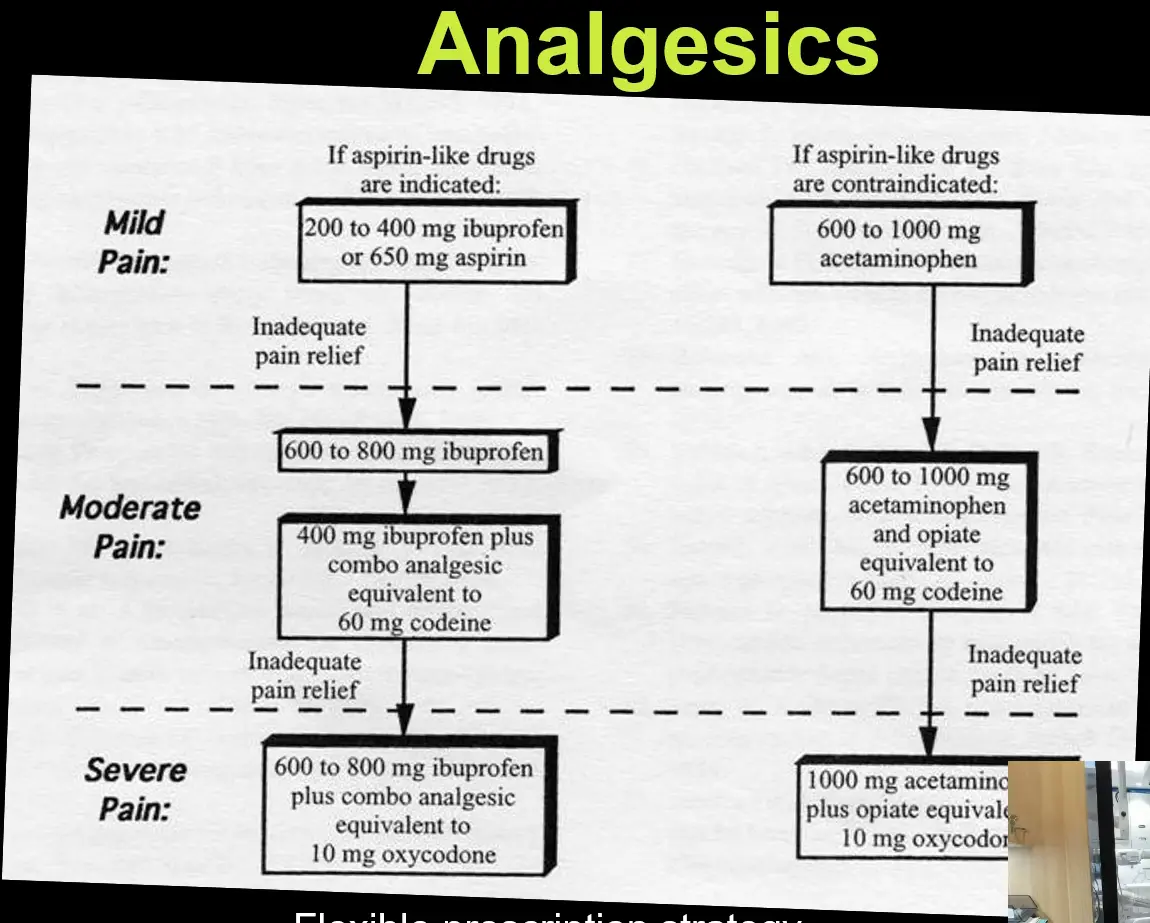
- analgesics
- non narcotic NSAID, paracetamol (nuromol, nurofen, voltaren, maxigesic, advil)
- opoids
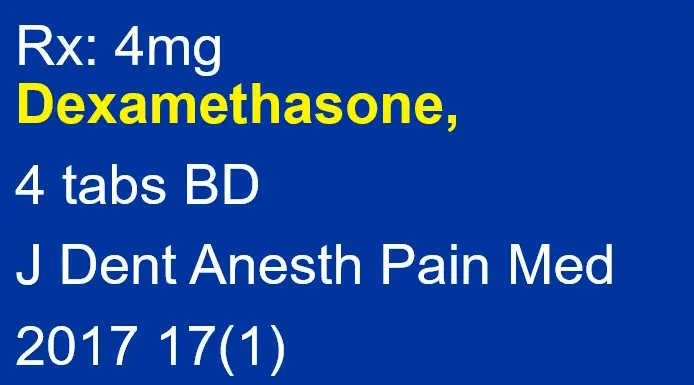
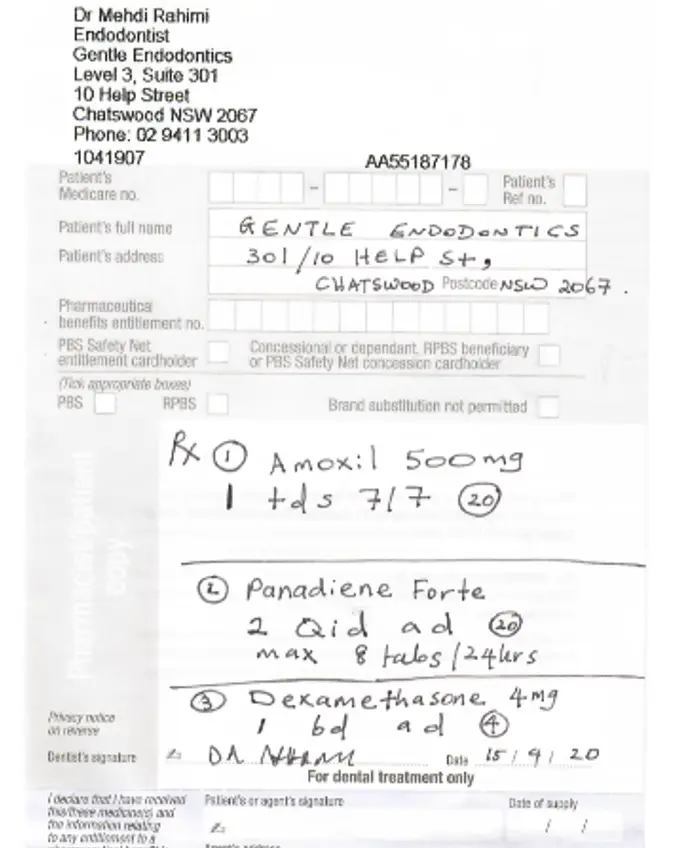
- steroids (Dexamethasone 4mg bid x 4 tablets) post op
- anxiolytics
Pre medication
- can improve IANB efficacy
- ibuprofen, nurofen, diclofenac, voltaren, dexamethasone
Pre op anxiolytics
- triazolam 0.25mg (halcion)
- no hangover effect compared to diazepam or temazepam, bc only 3hour halflife
- diazepam 5mg,
- tempazepam 5mg
Inhalation sedation
- nitrous oxide
- increased release of endorphins
- blocks pain reception
- state of euphoria
- penthrox
- green whistle
- short acting, hard to use but can ease anxiety
Cognitive behavioural therapy
- environment affects the mood
- music
- television
- aromatherapy
- relaxing herbal tea
- hyponosis
- distraction techniques
- take time
- build rapport and trust
Dr Mehdi Anaesthetic cream
- prilocaine 4%, tetracaine 10%, lignocaine 4%
- hydrophilic base
- 3 active ingredients
- better penetration
- need a script however, and can cause some throat discomfort
Painless injection
- dental vibe significantly lowered self reported pain
- gate theory of pain
- pain and pressure go through same action potential pathway
- e.g. rubbing wound less perception of pain
- the wand
- slow injection via computer
Which LA to use
- articaine
- better bone penetration ability
- better lipid solubility and diffusion compared with lido caine
- onsent of anaesthesia is much faster, just as effective in IANB
- however, no clear evidence that it provides better paraesthesia
- bupivicaine - long acting
- lignocaine - short onset
- must have adrenaline or felypressin
- no stat sign difference between all LA (Allegretti et al 2016 and Kung et al 2015)
Definitive treatment
- pulpotomy vs pulpectomy
- complete debridement (cleaning and shaping)
- only if time permits
- pulp necrosis -> managed by complete removal of pulp -> WL radiograph
- due to time constraints -> pulpotomy if pulp inflamed
- most of the axons are in the pulp chamber, therefore pulpotomy can cut off the detector system
- AKA peripheral axonomy
- for vital pulp cases
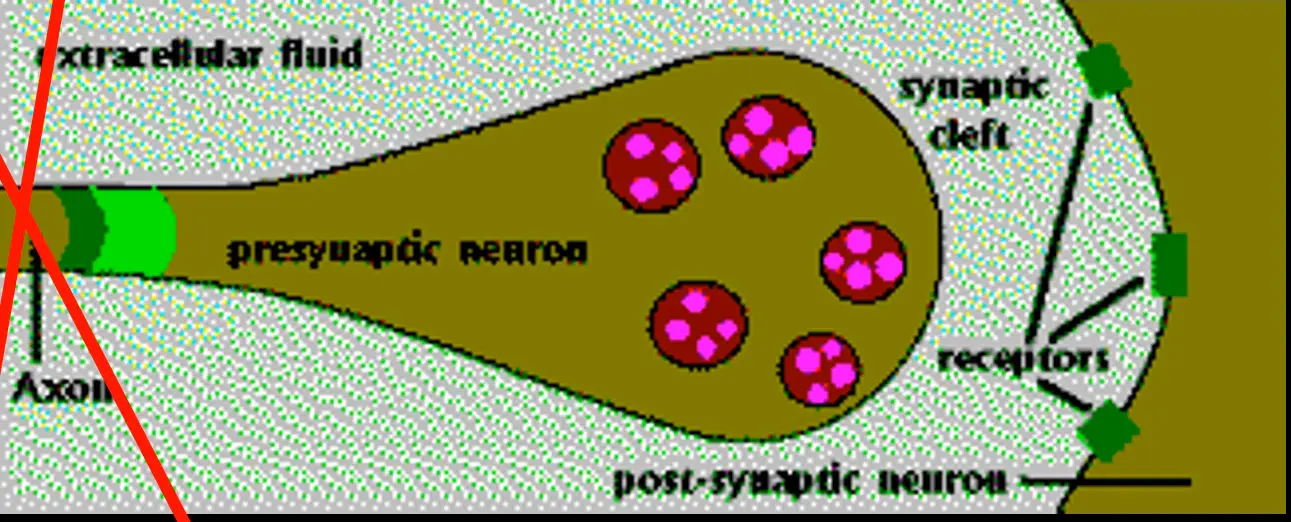
- Pulpotomy reliably reduces pain and has less incidence of post op pain vs partial pulpectomy
- partial pulpectomy can lacerate, shred and further traumatise the inflamed tissue
La Problems
- la is less effective when administeered to patients with inflamed tissues
- clinical studies - single IANB ineffective in 25-80% of patients with irreversible pulpitis
- preoperative pain and mandibular posterior teeth are most predictive factors for failure of anaesthesia
- ionised form less available in inflamed tissue, which means reduces sodium channel blockage -> failure to anaesthetise
- pulpitis 8x higher failure rate
- even when A delta is anaesthetised, c fibres can carry
- hargreaves and keiser 2002,
Why isnt LA working
- operator inexperience
- anatomical factors
- bone density
- volume or concentration of anesthetic
- inflammation less ionised LA available
- inflamed nerves = lower excitability thershold
- Tetrodotoxin resistant (TTXr) sodium channels on C fibres (more resistant to LA, can last in situations even when blood vessels r gone/ can live in hypoxic situation)
- Increased expression of TRPV1 and TRPV2 and hyperalgesia
- psychological factors
Inflamed pulp what to do
- have a plan of action
- anaesthetise logically (follow landmarks)
- suggestions
- increase volume
- gow gates block (avoid inflammation/ anaesthetise up the nerve)
- supplemental injections
- time
Testing for efficacy of IANB
- gradual pulp test El sayad and Gaballah 2021
- after block
- wait 5 minutes and is lip numb
- cold spray test buccal, lingual and occlusal surfaces
- if +ve to cold
- gow gates and or other supplemental injections
Gow gates mandibular block
- true mandibular block
- auriculo temporal nerve
- buccal nerve
- inferior alveolar nerve
- lingual nerve
- mylohyoid nerve (innervates 20% of posterior mandibular molars), usually branches a lot higher)
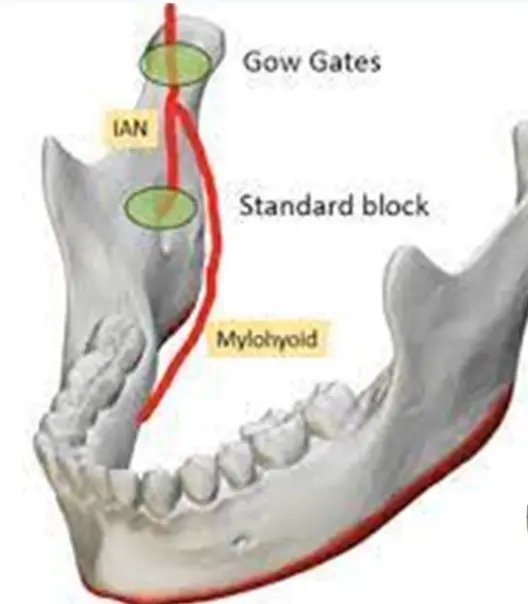
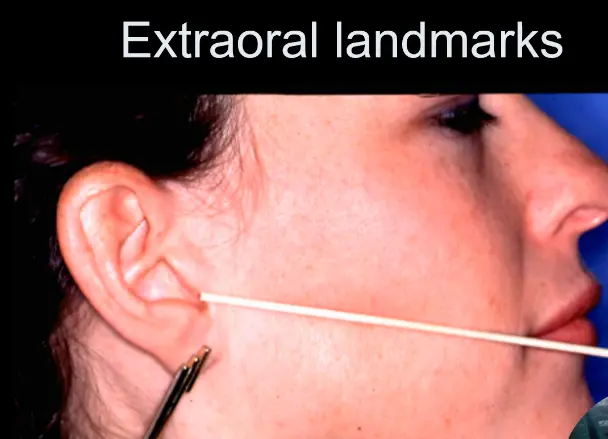
- commisure of lip, coronoid process notch
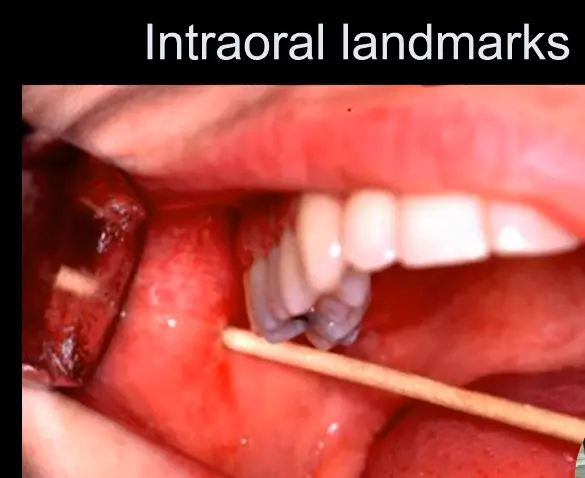
- posterior to MP cusp of 2nd molar
- technique
- hit the anterior aspect of the condyle
- needle parallel to inferior border of mandible
- aim at tragal notch of the ear
- MP cusp of 2nd molar
- aim from premolar enter tissue, swing to closer to the midline/ipsilateral
- progress until bone, retract, aspirate, inject
- usually still need long buccal
Intraosseous and intraseptal approaches
- highly effective
- no lip or tongue anaesthesia
- use of special perforator
- very unlikely to ever use
Intraligamentary approach
- more for exo than endo, but sometimes its the option for maxillary facial swelling with cellulitis
- supplemental injection into PDL
- always interproximal, never facial lingual or furcal
- supported using thumb and forefinger, much use a lot of pressure
- mesial then distal
- usually only for unique situation
Intrapulpal
- bend needle, direct pressure
- very painful, need to up the nitrous
- may need to do in each canal separately
Endodonitc surgery
- mix Rexocaine with artocaine
- rexocaine - lidocaine with 1:80k adrenaline
- rapid onsent, profound anaesthesia, prolonged action, low toxicity, high diffusion rate, higher epinephrine conc
- tissue blanching = haemostasis
Endodontics in medically compromised patients
Why
- aging population
- people live with conditions, take multiple medications
examination
- higher prevalence of endo pathosis in diabetes
- pulp of diabetics
- limited collateral circulation
- impaired immune response
- higher risk of becoming infected
- moderate risk of associated of cardio disease, diabetes
- smoking
- higher prevalence of endo pathosis
- periapical lesions
- incidence of root canal treatment
- traceable pulp chamber, canals
- calcification
- lifetime cumulative irritation to pulp
- sickle cell anaemia enamel hypomin, calcified canals
- patients receiving substantial doses of corticosteroids after renal transplantation
- pulp stone - cardiovascular disease and those on statins
- radiotherapy in head and neck
- progressive decrease in pulp vitality testing and EPT at 12months
- more false negative and less reliable pulp testing
Diagnosis
- herpes zoster
- post herpetic neuralgia mimics endo pain
- can also induce spontaneous endo pathosis
- Dx tests, build coherent narrative
- use probability concept, strong or weak evidence from test, findings and history
Case discussion with patients
- hypertension can reduce survival rates
- diabetes and or hypertension reduced survival in 10 years
- hypertension hazard ratio 1.18
- diabetes hazard ratio 1.29
- stat sig but small seffect sizes
- perio confounding factors??
- radiotherapy pt
- limited mouth opening
- fibrotic tissues
- referral
- dry mouth -> recurrent caries, refinfection, retreatment, need to address dry mouth
- smoking
- increased incidence of pain and swelling and post surg infection
- allergy
- flare up
- hypersensitivity to GP, LA, NaOCl and Ni should be considered
- MRONJ
- recent dentoalveolar trauma
- duration of bisphosphonate
- oral >3 years with a linear increase therafter
- IV mean 9 month after
- potency, oral lower risk, IV higher risk
- increased risk with CS or chemotherapy
- denosumab equally problematic as IV bisphosphonates
Treatment
- MRONJ
- clamps shoudl be carefulyl plafced to avoid injury to soft tissue
- rubber end on clamp?
- on anticoagulants
- INR needs to be 2-3
- anticoagulant therapy should not be altered, condition that they are prescribed for is much more critical than dental work
- INR up to 4 is okay for no LA or LA infil
- INR up to 2.5 if IANB, bone removal, periradicular surgery
- check INR within 24 hours prior to procedure
- if much higher than normal, even if <4, postpone and refer to clinician maintaining anticoagulant therapy
- No NSAIDS for
- antithrombotic therapy
- previous history of MI
- renal disease
- severe asthma
- drug interactions
- broad spectrum antibiotics interfere with oral contraceptives, women advised not to rely on pills alone for 1mo after end of antibiotic course
- antibiotics interfere with warfarin, consult medical people
Monitoring
- immunocompromised pt may have less favourable endo treatment outcome, may be due to healing impairment
- HIV/AIDS
- no impact on flare up rate or outcome (1y period)
- diabetics
- treatment outcome generally not different
- but with preop lesions diabetics lower healing rate
- radiotherapy
- healing rate similar to normal cases, but small sample size
- oral bisphosphonate
- no effect treatment outcome
Medical flip flopping
- statistical significance vs small effect sizes
- early demonstrable tx effectiveness
- term for when something is good, then it is bad 10 years later, then it is good again (eggs, coffee etc.)
Endodontic emergency
endo emergency
- situation where a patient experiences pain due to inflammation of pulp or peri radicular tissues, pain resulting from infection in RC system or peri radicular, trauma is also included
when do they occur
- prior to endo treatment
- teeth that haven't undergone endo yet
- during endo treatment
- retreat or teeth being treated across multiple appointments, referred to as flare up
- after endo treatment
- postop pain
- reinfection after treatment
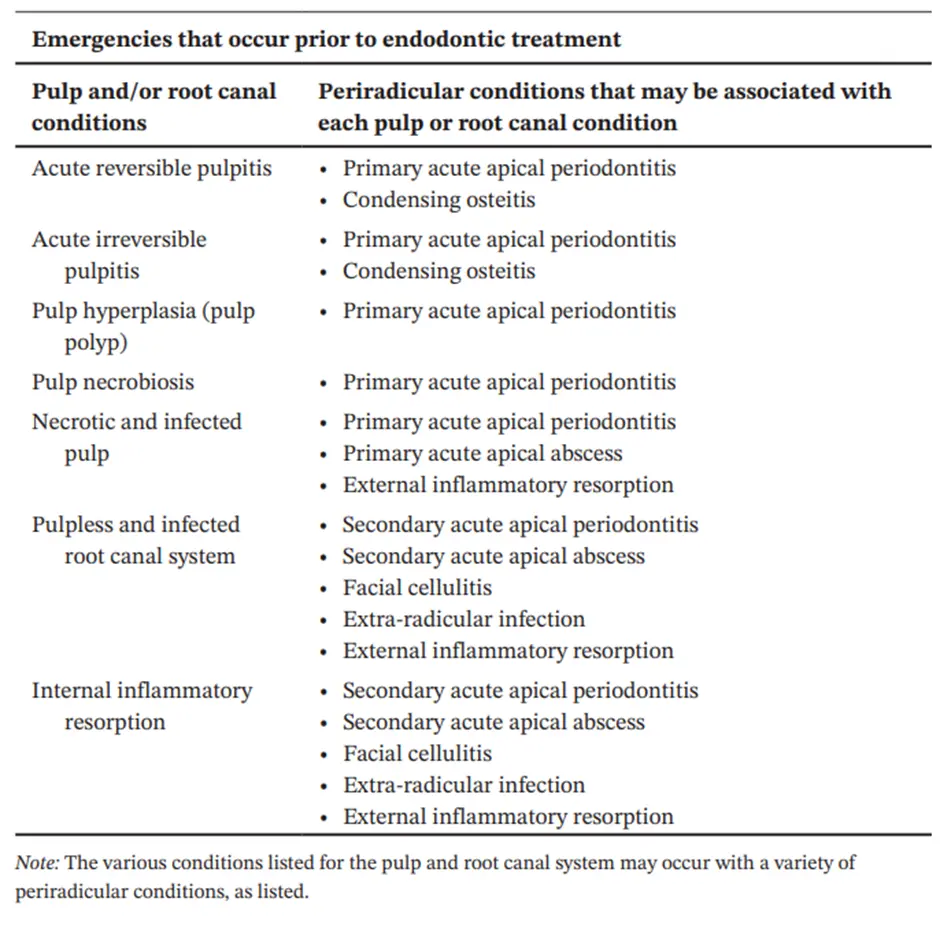
How to manage them
- diagnosis
- definitive dental treatmnet
- drugs
Pain/Emergency cases
- triaging - emergency vs urgency
- emergency - risk of swelling or infection, might end up in hospital
- urgent - pt wants it soon
- irreverisble pulpitis
- severe pain, constant, throbbing, dully, severe agonising pain
- symptomatic apical periodontitis
- pain on pressure
- AAA
- crown or crown root fractures
- root fracture
- luxation injuries
- avulsion
Pain
- odontogenic pain
- activation of pulpal and periradicular nociceptors
- hyperalgesia
- spontaneous pain
- allodynia - reduce pain threshold
- increased response to painful stimuli
- non odontogenic
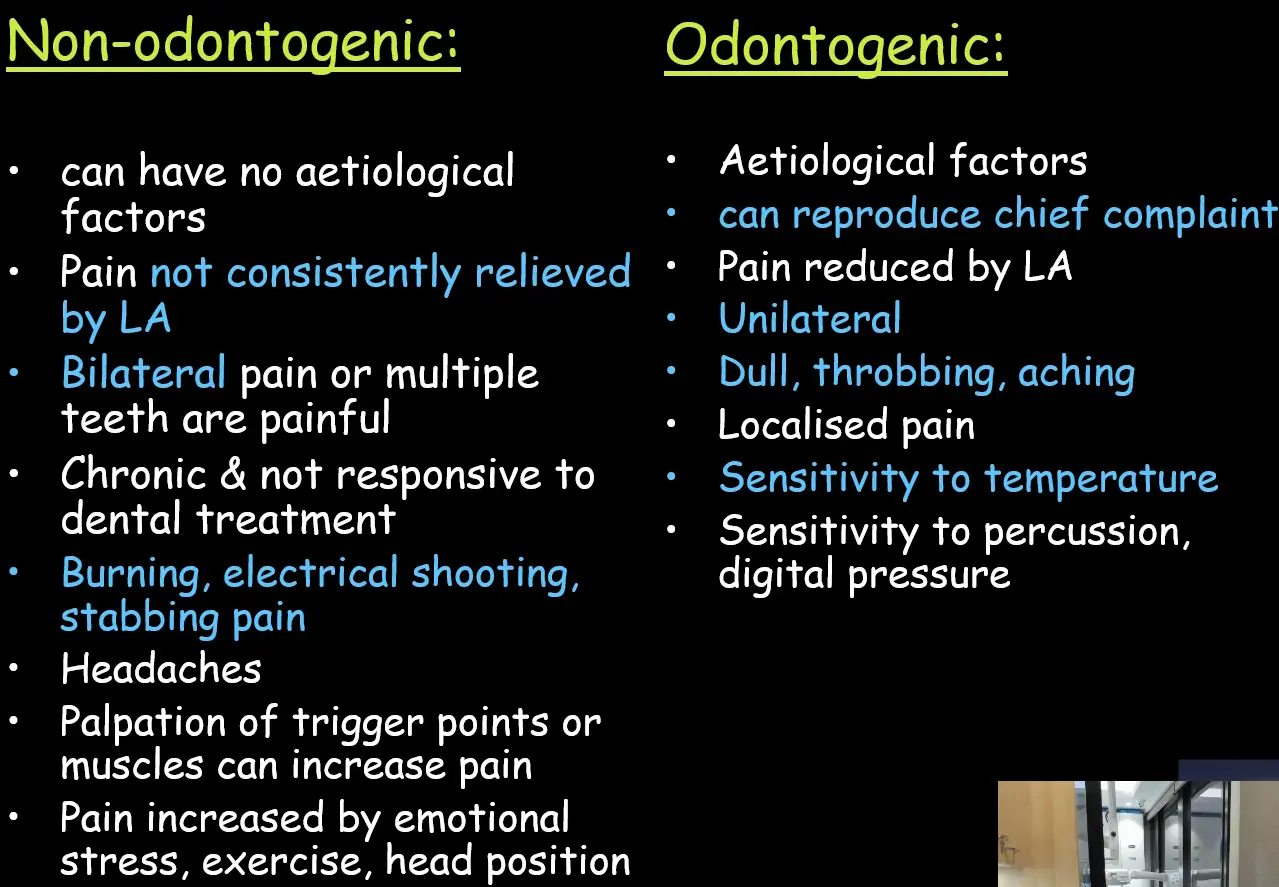
Burning sensation
- cancer, tumour, neuralgia
Diagnosis
- reproduce chief complain
- patients in pain -> confused
- exaggerated or even inaccurate response
- do not rush diagnosis
- in a true endodontic emergency only, one tooth is symptomatic usually
- tests
- thermal test
- EPT
- percussion
- palpation
- transillumination
- site specific testing e.g. frac finder
- test cavity
- selective anaesthesia
- radioggraphic
- dual diagnosis, pulpal and periradicular
Importance of WL patency and glide path
- glide path
- continuous path along the extent of the root canal using small diameter tapered instruments
- apical lesions = essential for gaining patency prior to instrumentation
- clean apiucal foramen, better irrigant delivery to apical third
Medicaments
- leftover tissue may produce extreme postop pain
- odontopaste good for antipain
- CaOH best antibacterial
Temporisation
- cavit and GIC double seal
- minimum 4mm
- always take postop
Endo band
- interproximal stripper
- must be best size/fit
Fluctuant swelling
- debridement drainage
- always incise and drain
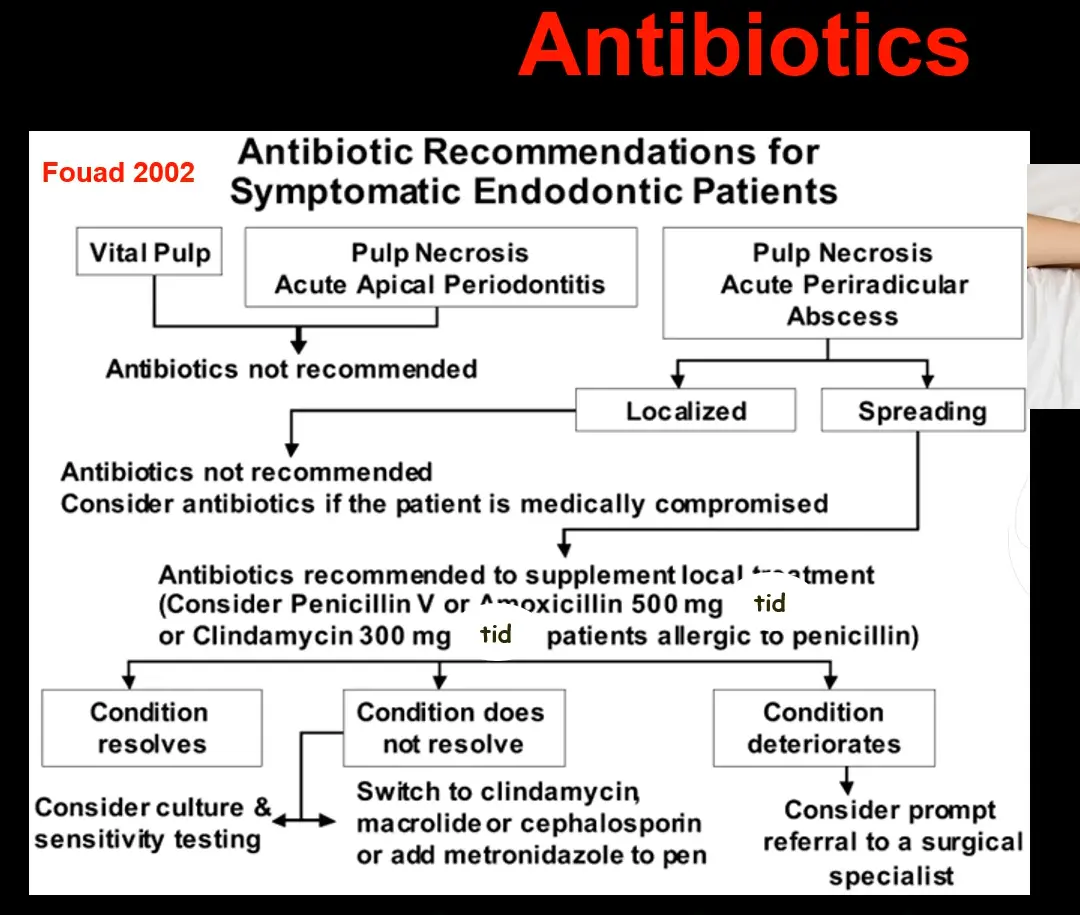
Antibiotics
Occlusal reduction
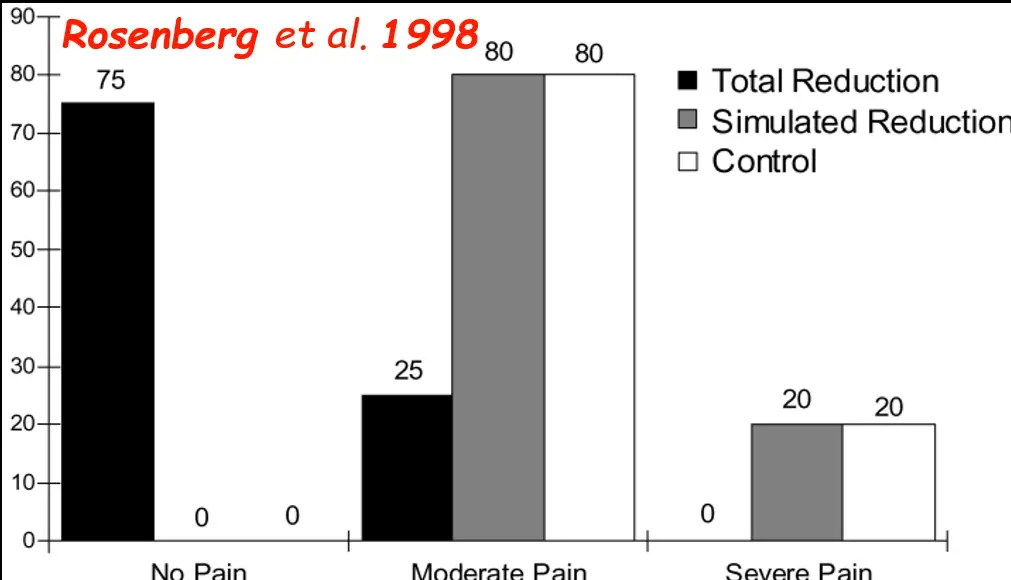
- works after 3 days, usually inflammation must reduce first
Periop complications
Irrigation
- forceful injection of irrigating solution
- irrigating needle wedged into root canal when irrigating
- open apex
- prevention
- needle should never bind under walls
- never under pressure
- gentle oscillating motion
- avoid open apices
- side venting needles
- endovac
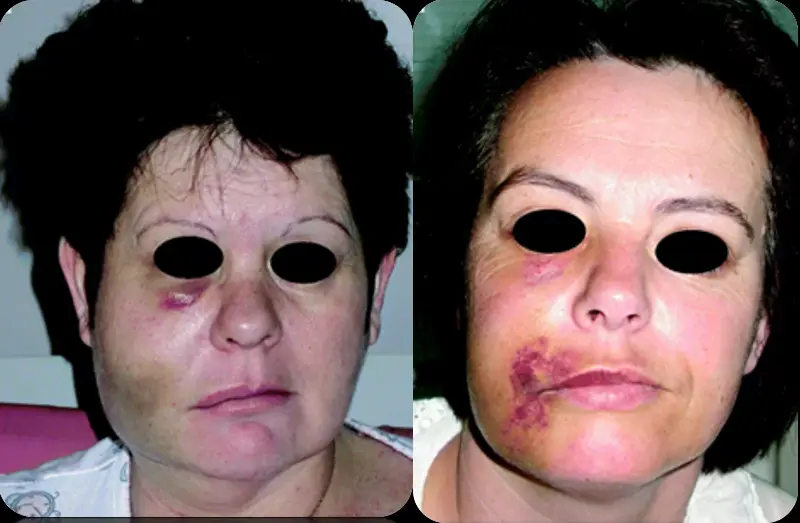
- managment
- calm yourself, calm patient
- reassure everything will be okay, antibacterial can cause some damage to tissue, most cases it will return to normal in time
- monitor tooth to encourage any drainage
- antibiotic cover, in cases of evidence of secondary infection or debridement imcomplete
- analgesic: nuromol, diclofenac dexamethasone
Air Embolism
- systematic review
- drying using air under pressure
- apical size 45-60
- swelling spreading through entire head and neck space following from tooth
- management
- swelling looks bad, reassure that its just air trapped and not allergic reaction
CaOH2 Extrusion
- just keep monitoring patient, will be fine
Jaw lock
- use biteblock
- microwaveable heat pack
- can even prescribe diazepam (muscle relaxant)
Postop emergency
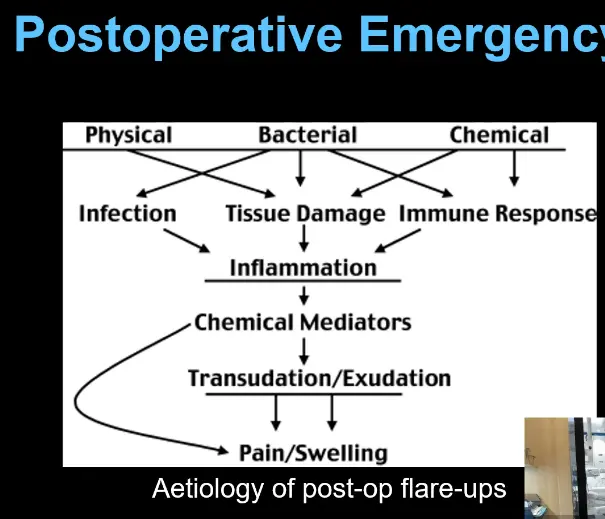
- most commonly bacteria
- can extrude out of the root canal
- pretty uncommon
- only 3%
- still warn them that theres a chance of flare up
- major predictor
- preop pain
- pain on chewing -> occlusal reduction
- other predictors
- incomplete cleaning
- females
- history of flare up
- retreatments
- follow up phone call shown to be effective in reducing pain Bartlett '05
Three Rs
- review (reassure)
- reassess
- reconsider
Never leave open to drain
Always remove all restoration
- shows caries, cracks, marginal decay