Bleaching of Endodontically Treated Teeth
Causes of Discolouration
External
- compounds absorbed onto pellicle or via affected colour chemical interaction with tooth surface
- associated with dietary chromogens, cationic antiseptics, metallic salts
Internal - originates from within pulp chamber
- systemic
- tetracycline, fluorosis
- local
- pulp necrosis, calcification, intrapulpal haemorrhage, pulp tissue remnant, endo materials, coronal resto material, root resorption, aging
Pulp necrosis
- release of tissue disintegration by products permeating dentine tubules (including tissue remnants in pulp horns etc)
Pulp non necrosis
- pulp canal calcification, ageing, invasive cervical resorption (pinkish)
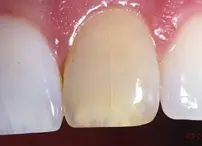
Internal (pulp canal calcification)
- darker hue, almost always yellow, loss of translucency
- complicated tx paln decision wise
Endo materials
- ledermix, dark grey brown discolouration regardless of sunlight exposure
- sealer: grey if not removed from coronal pulp chamber walls
- MTA: grey, mechnism not understood
- other bioceramics dont cause staining
- pulp tissue remnants
General dental materials
- metallic resto
- leakage around adhesive tooth coloured material
Internal )trauma related
- following intrapulpal haemorrhage leading to accumulation of haemoglobin, appears grey after regraction through dentine and enamel
- can be reversible but not if necrosis occurs
Mechanism and action of bleach
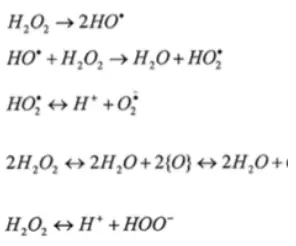
- hydrogen peroxide is a strong oxiding agent, breaking down into free radicals which reduce or cleave double bonds of macromolecules into smaller molecules that are less pigmented and more diffusible
- hydrogen peroxide may also open carbon rings of pigments and create lighter chains
- carbamide peroxide (urea hydrogen peroxide)
- available 3-15%, yields approx 1/3 h2o2 by percentage
- commercial prep include some glycerine, soidum stannate and acid

- sodium perborate
- water fre h2o2, comes in powder form
- in water breaks down sodium metaborate, h2o2 and oxygen
Internal Bleaching
Procedure (walking bleach)
- orifice barrier?
- resto material 2mm below CEJ up to CEJ
- advocated by many to reduce risk of invasive cervical roto resorption and to prevent penetration of bleaching materials into root filling
- cavity refined but removing pulp horns ( and materials/debris) and removal of GP just below gingival margin (or 2mm lower if orifice barrier being used)
- GP removal can be done with no3 Glidden or size 90 pulp bur
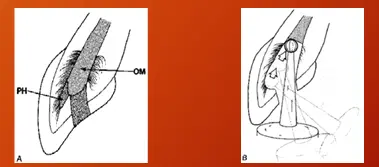
- prepare and place bleach
- coronal seal over bleach (prevent bacterial ingress and loss of bleach)
- pre etch can help clean but does not improve diffusion
- Cavit
- good seal asd long as it isnt occlusaly loaded, though what thickness requires is uncertain
- after bleaching is good definitive coronal seal essential for stability
Diffusion of hydrogen peroxide
- can diffuse from pulp chamber to external root surface
- diffusion speed is debated, as is duration of bleach
- recommendations between 3 days - 2 weeks, anecdotally 2 weeks is standard
Effectiveness - bleaching effect not diminished with perborate and water compared to 30% peroxide but may take longer and need more changes
- possibly affected but age (tubule thickness) almost certain affected type duration intensity of discolouration
- recurrence significant 10% at 2 years, leakage possibility but mechanism not understood
Case selection
- tooth and patient factors considered
- tooth
- likely cause of discolouration, history of sensitivity, history of resorption
- patient
- expectations, possibility of prostho management in addition to bleach, pre and post op photo
Complications
- external invasive cervical root resorption (EICR)
- insidious resorption, hyperplastic in nature, require complex treatment with poor outcome
- incidence varies but marked increased when peroxide and heat used
- Controversy
- aetiology still unknown
- bleaching case with EICR almost always have additional risk like trauma history or ortho treatment hist
Effects of bleaching on hard tissues
Changes
- enamel
- reduced microhardness and increased surface roughness but same as fruit juice, mechanism not understood
- dentine
- vary evidence but likely some minor negative morphologic chemical and biomechanical effects
- GIC
- uncertain, contradictory evidence about microhardness
- GIC bonding
- uncertain
- composite
- minor change in porosity, surface roughness, reduction in surface hardness
- enamel bonding
- significant reduction in bond strength
- dentine bonding
- no effect
- margin quality
- likely of minimal clinical significance
Improving bond strength in resin composite
- 1 day - 3 weeks for bond strength to return
- various chemicals have been tested but not shown effective
- likely unnecessary to take any additional steps to improve bond strength prior to definitive resto