MODULE 3
#DEN4001
#D4/S1/W3
#Paediatrics
Treatment options under GA
- aim at ensuring all treatment required is done under single GA
- caries risk assessment is critical
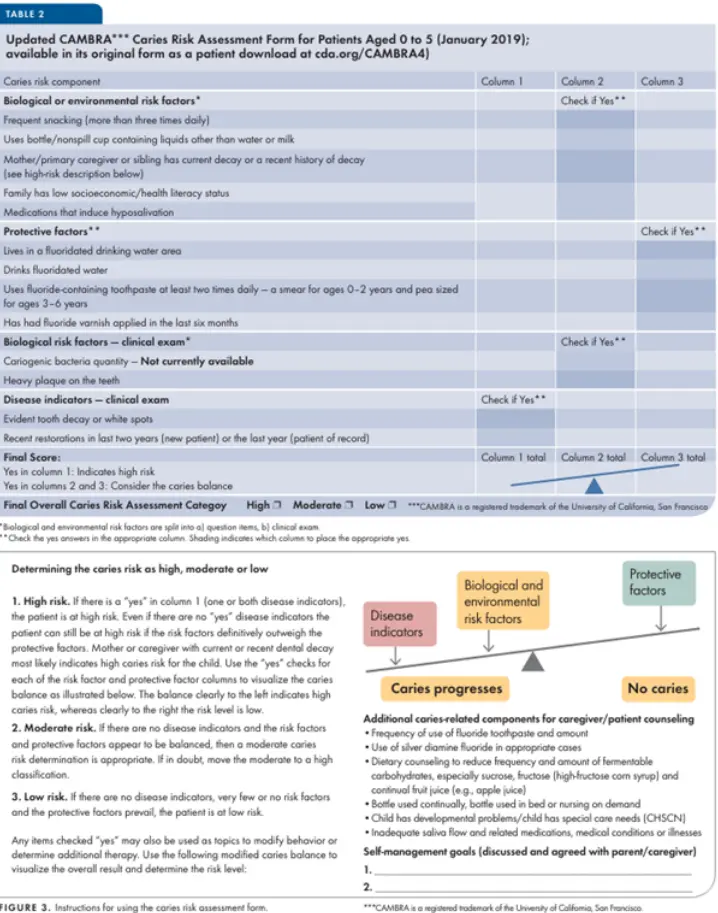
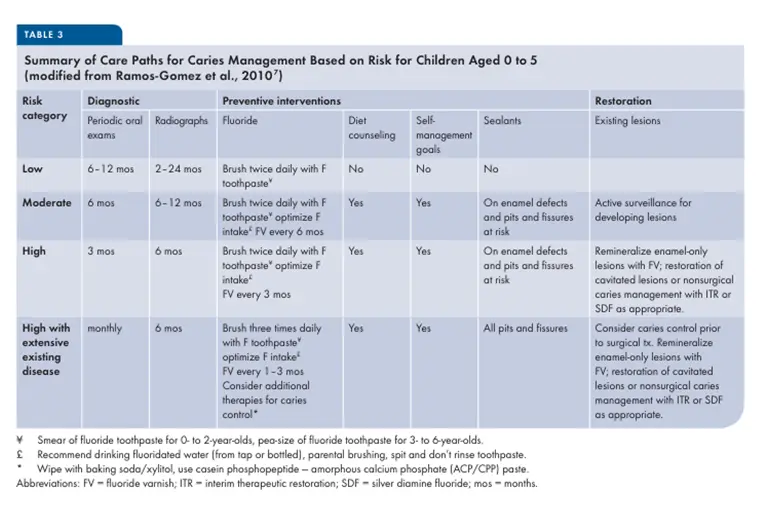
Caries relapse
- soon after general anaesthetic, many children develop more decay and need additional extensive treatment, and in many cases, a second GA
- repeat GA due to
- failures in treatment planning process
- failure in adoption of preventive counselling which should be given as part of an episode of GA treatment planning
- repeat GA undesirable in terms of
- morbidity
- potential mortality
- cost
- behavioural emotional effects on child
RESTORATIVE TREATMENT UNDER GA
- needs to be long lasting in order to manage disease, and prevent need for more treatment / GA
- primary tooth restored under GA should be expected to exfoliate naturally without failure
- consider
- patient age
- is tooth permanent or deciduous
- how long does the tooth need to be maintained in the mouth
- extent of caries
- depth and spread of carious lesion will guide our restorative options
- is pulp therapy needed
- consider amount and quality of remaining dentine and enamel and how restorative material of choice will interact with this
- e.g. enough viable enamel to bond to if using composite resin
- assessment of potential OH maintenance
- make assessment of patient and guardians adherence and willingness to maintain good OH
- poor oral hygiene may necessitate differing choices
- BASICALLY
- more predictably successful restorations should be provided
- treatment plans should aggressively resolve the presenting complaint
- treatment alternatives must provide predictable outcomes
- heroic but unrealistic treatment should not be undertaken
- deciduous pulpectomies should not be considered
- teeth with doubtful prognoses should be extracted
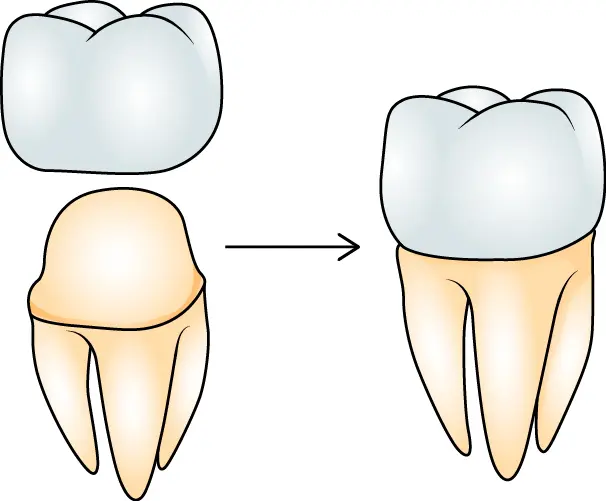
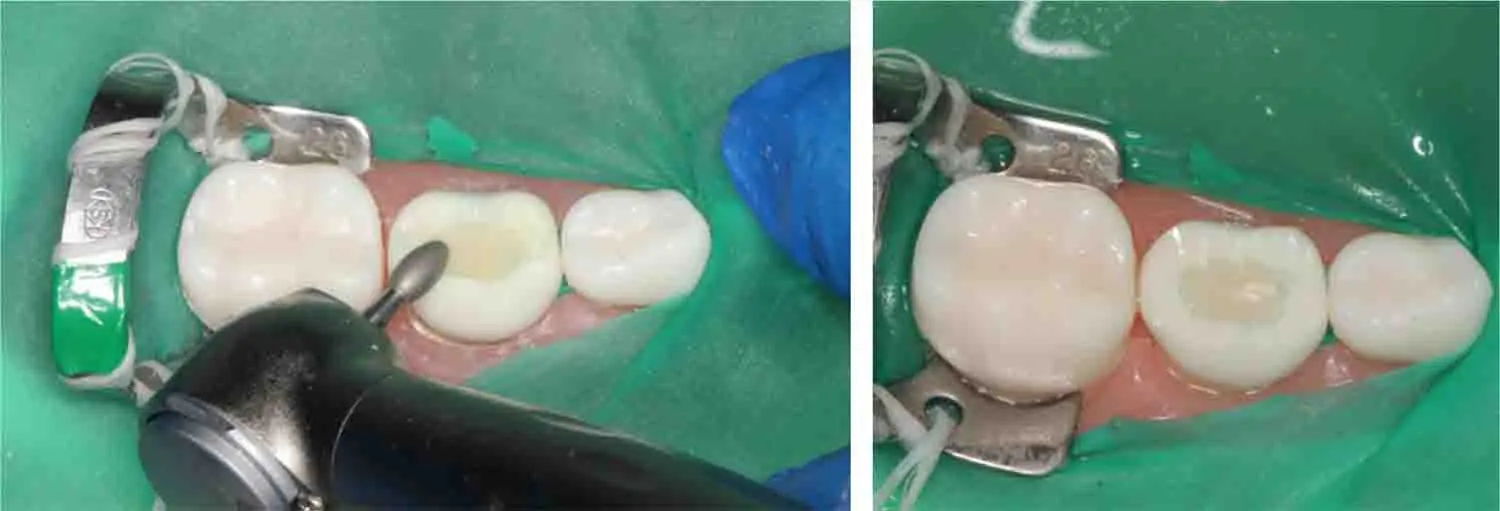
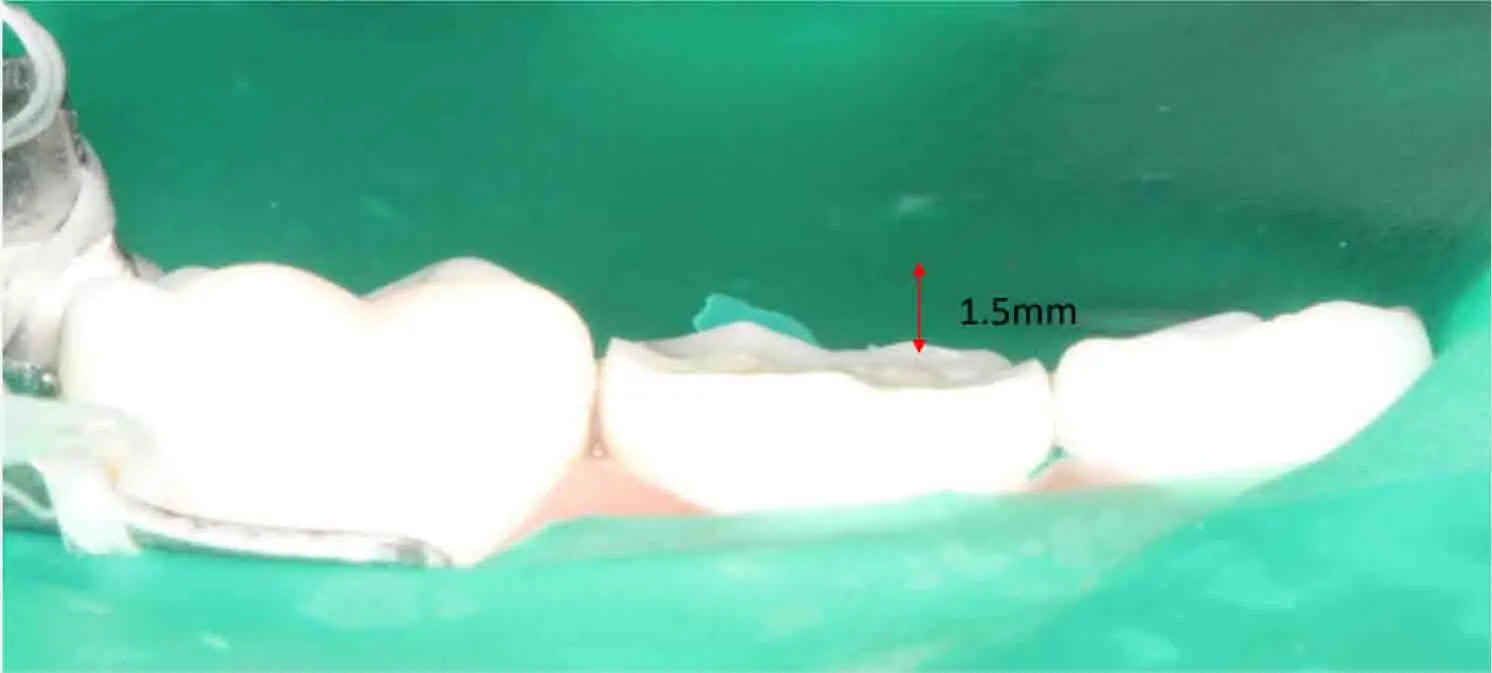
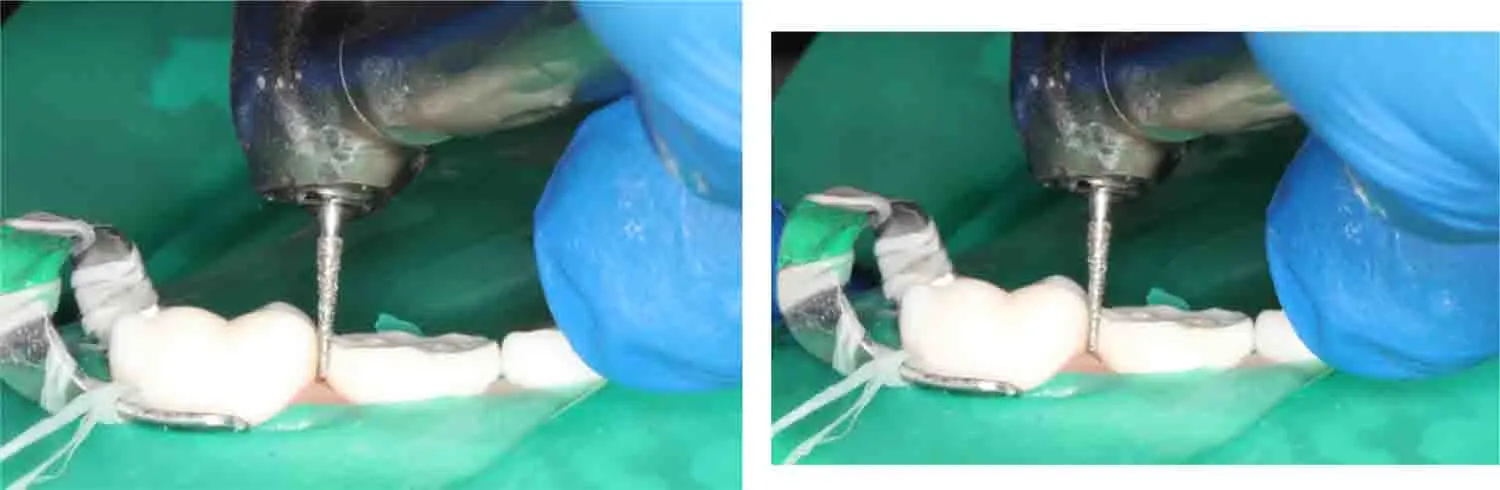
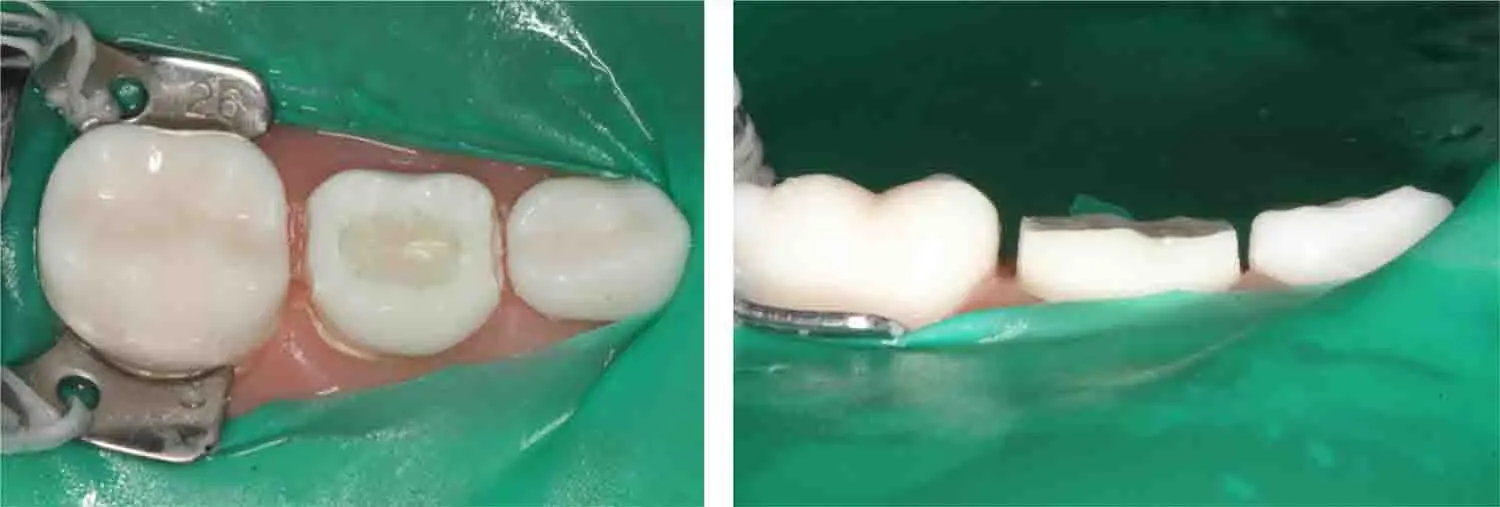
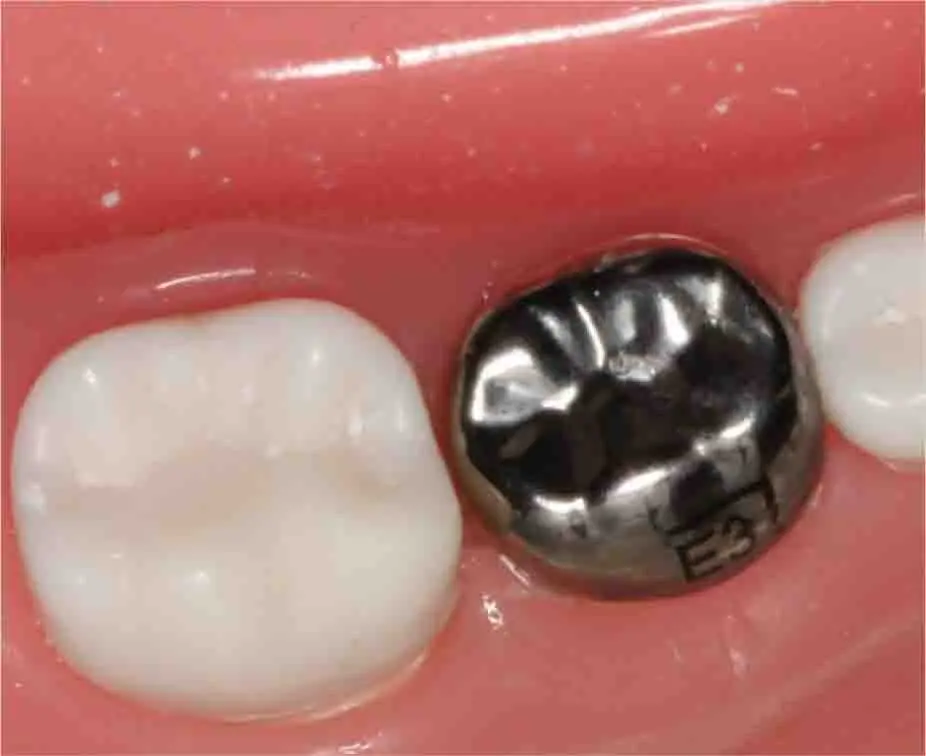
SSC
- relatively inexpensive
- offer advantage of full coronal coverage
- most durable restorations for primary dentition with survival times greater than 40 months
- preferred restoration following pulpotomies
- convention SSC is restoration of choice for primary molars under GA
- for high caries mouth
- 2+ surface involvement
- tooth exfoliation >3 years
- poor parent compliance and lack of possibility of a long term follow up is possible
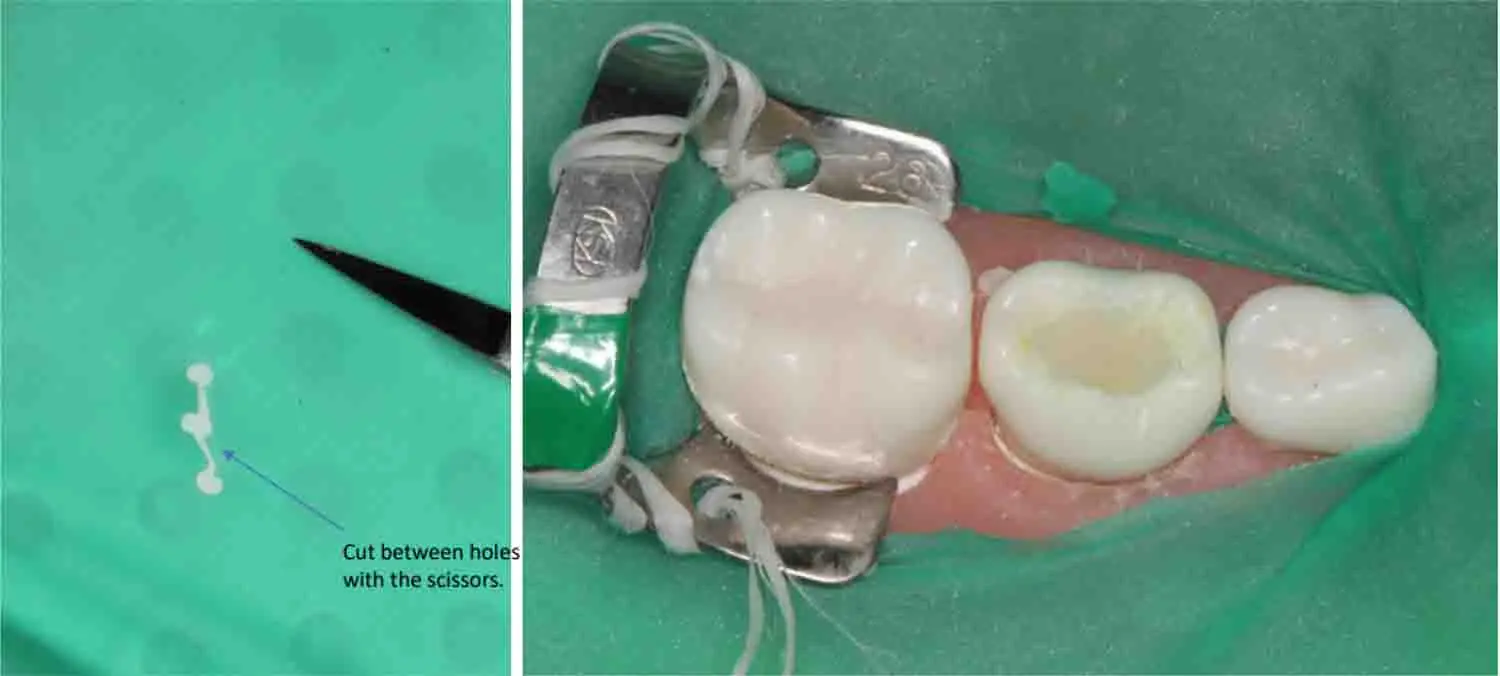
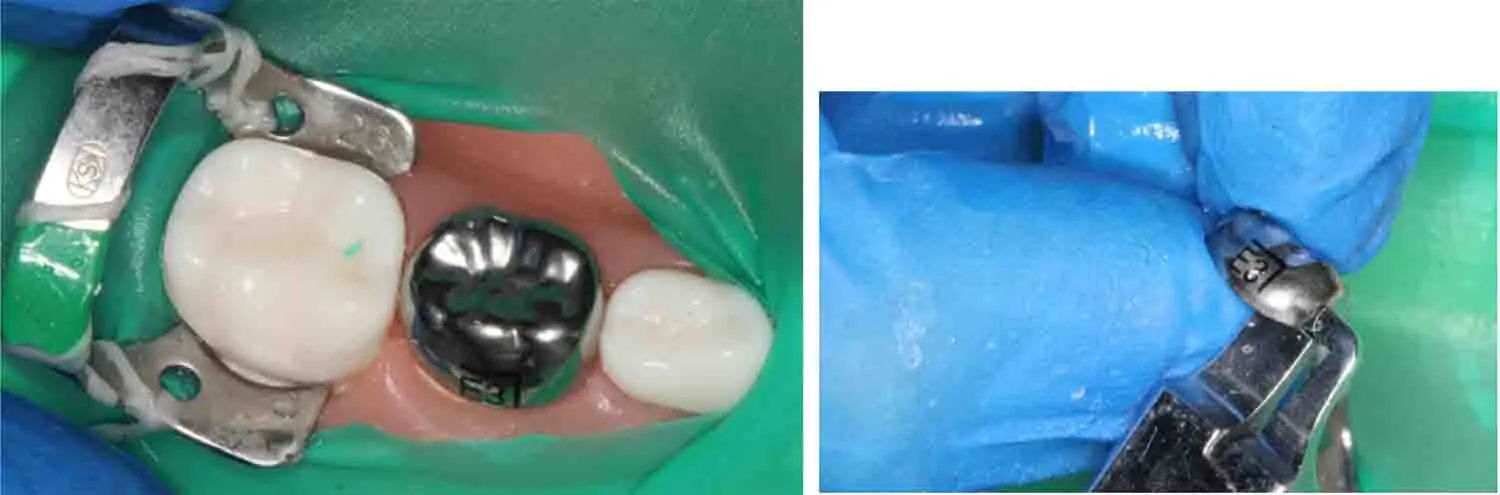
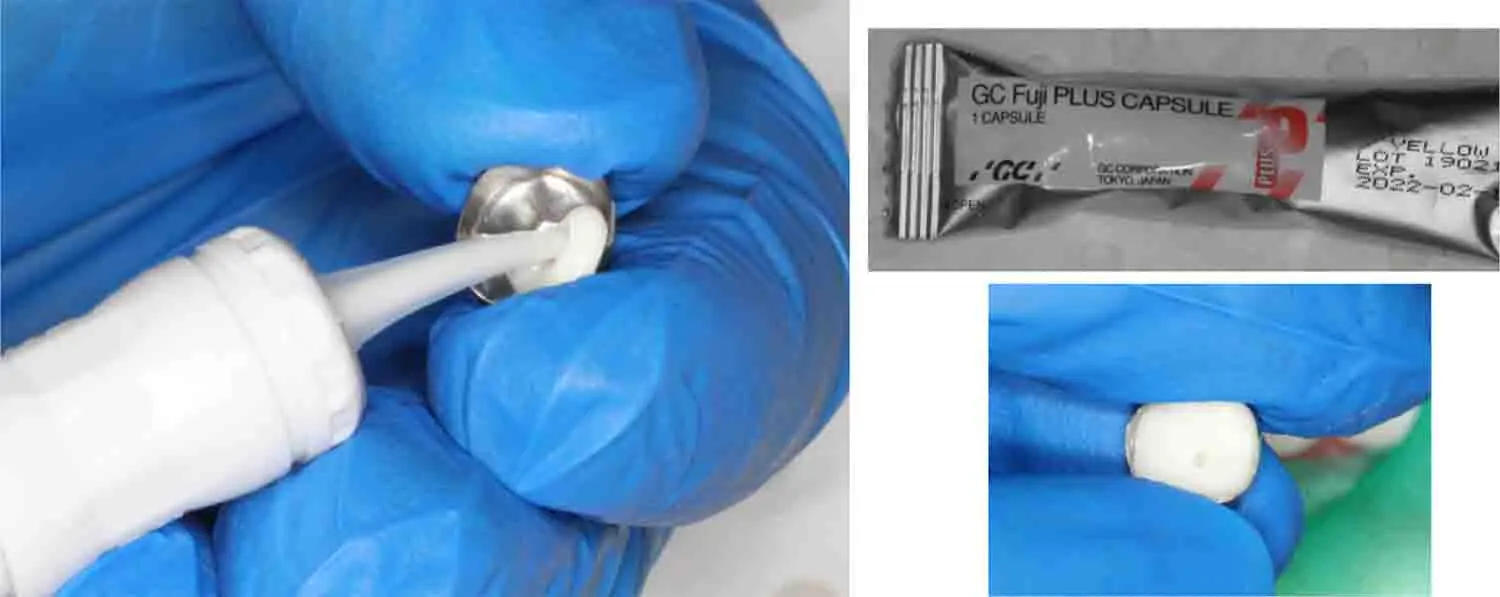
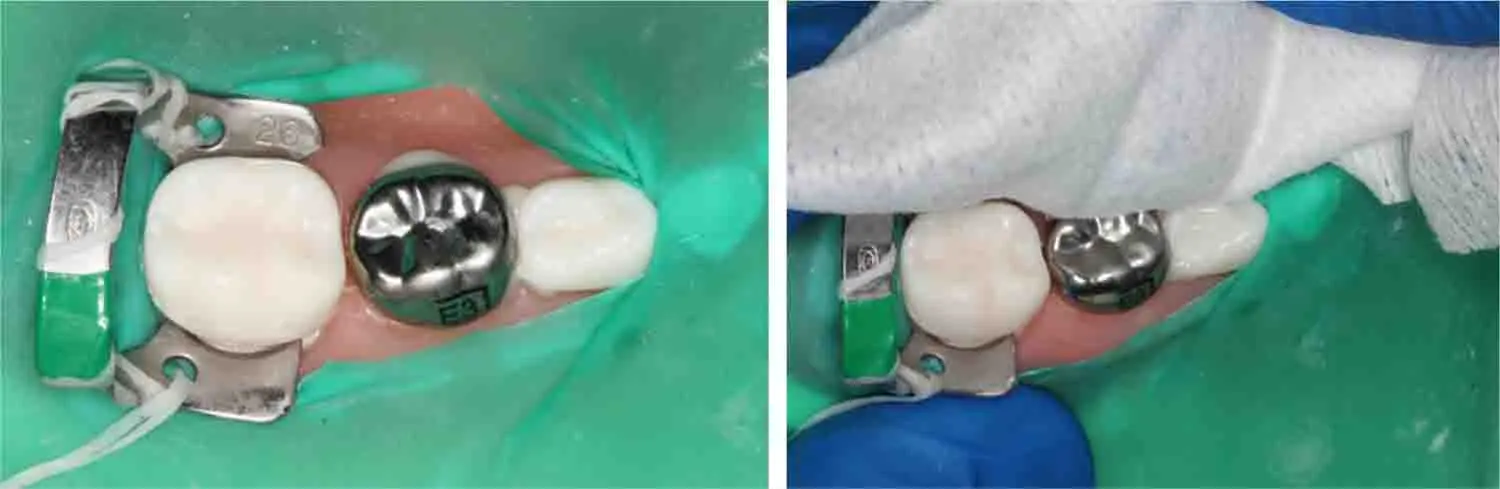
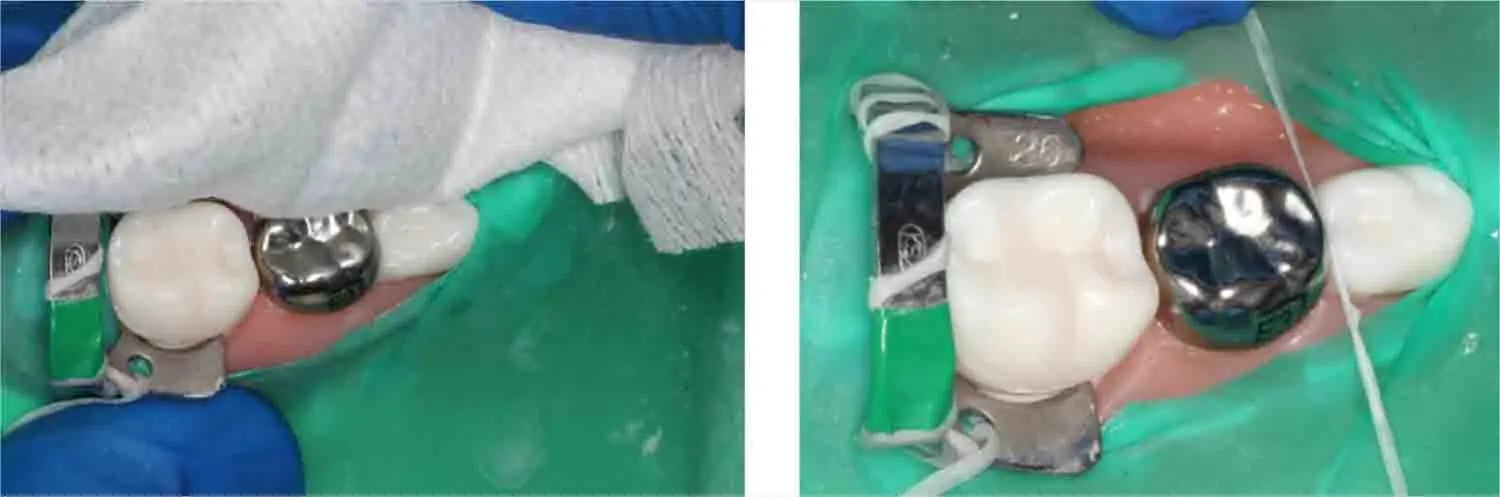
Other restorative options
- amalgam, composite or GIC should be reserved for one or two surface restorations in primary molars where expected exfoliation of the tooth is within 3 years
- temporary/provisional may be indicated in circumstances where exfoliation is imminent
- rubber dam mandatory for all endodontic procedures
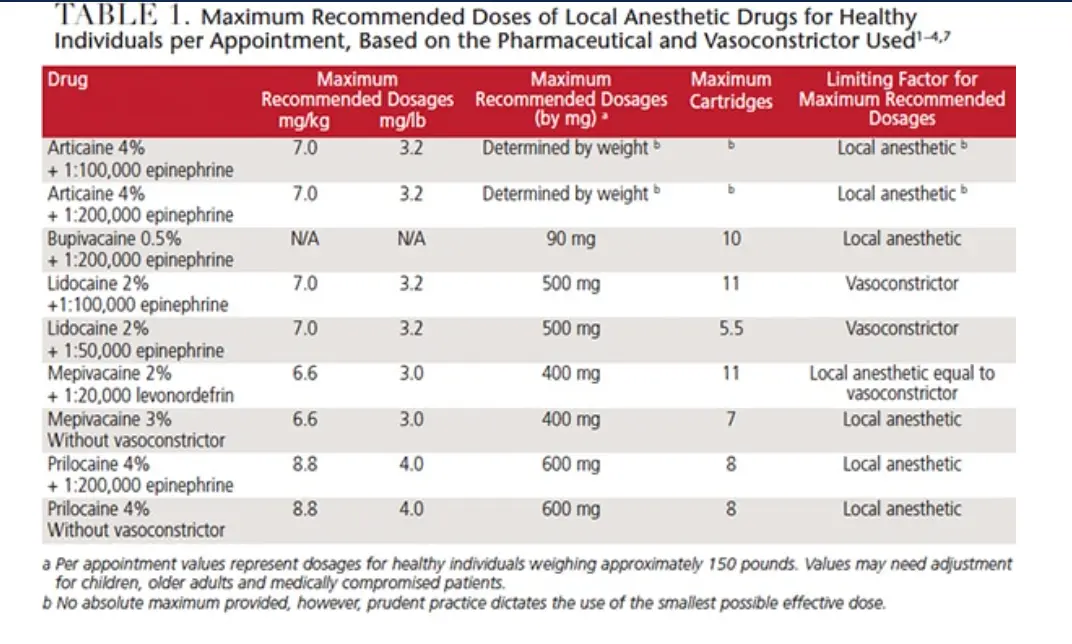
Preventative treatment under GA
home care fluoride products
fluoride toothpaste
- 500ppm - 5000ppm
- usually sodium fluoride NaF or sodium monofluorophosphate MFP
- NaF considered to be more effective in caries reduction due to rapid dissociation properties, enhances bioavailability of fluoride ions for optimal dental protection
- for children
- supervision for toothbrushing until about 9
- small amount of toothpaste
- swish and spit rather than swallow
- neutrafluor for those over age of 12 and high caries risk
- stannous fluoride toothpaste (Colgate Gel Kam or Sensodyne Rapid Relief) for those with hypersensitivity or for antibacterial effects, however not for long term use due to potential for staining
- fluoride mouth rinse (neutrafluor 220 and 990) for adjunct protection
- colgate neutrafluor 220, 0.05% NaF, over the counter low fluoride concentration for daily use
- colgate neutrafluor 990, 0.2% NaF, usually weekly rinse in school based programs or daily for high risk caries
- fluoroide mouth rinse reserved for patients onlder than 6 years and at higher risk
- rinse 60 seconds 10ml twice per day after brushing or flossing, dont rinse with water immediately after
Professional fluoride application
- higher concentration, low frequency of application
- booster to supplement home care products, enhance overall effectiveness of a patients oral hygiene routine
- gel
- not for under 10 years, to prevent ingestion
- neutral fluoride gel is product of choice
- some concerns associated with acidulated phosphate fluoride APF (can etch porcelain), also very sour, very low pH (dont administer if infection)
- varnish
- potential to remin teeth and address sensitivity or exposed root/neck
- fluor protector (ivoclar/vivadent), duraphat, premier enamelpro varnish
- tooth mousse plus
- fluoride containing topical product
- active ingrediant NaF 900ppm and CPP-ACP (casein phosphopeptide0amorphous calcium phosphate), which binds calcium and phosphate delivering them to tooth in soluble form
- contraindicated for milk protein allergies but suitable for lactose intolerance
- provide F, Ca, P to oral environment
- indicated for white spot lesions, high caries risk patients, desensitising sensitive teeth, dry mouth, patients with acidic oral environment, morning sickness during pregnancy, during and/or after ortho treatment, following teeth whitening
- not for children under 6 years due to fluoride concentration, version without fluoride can be used for children under 6
Responsibility of referring clinician
- responsibility of practitioner to reduce need for repeat GA, demands more radical and appropriate treatment planning, identification of patients who are high caries risk, and have cooperation problems
- need to be involved in intensive prevention programme
- pattern of attendance after GA is significant in risk of a repeat GA, proactive approach towards preventive care needed to reduce development of new dental disease
- responsibility of referring clinician to facilitate regular review and for on going prevention
- key factors to reduce number of children receiving GA
- early identificaiton of high caries risk
- intensive preventive care
- behaviour management techniques
- post GA review visit important to
- influence positive change in parents health behaviour that will be effective in controlling caries and caries relapse
- influence childs acceptance of dental treatment at follow up
- reduce need for repeat GA
ACSC/PPH
- ambulatory care sensitive conditions / potentially preventable hospital admission
- conditions for which hospitalisation is thought to be avoidable with the application of
- public interventions and
- early disease management
- which are usually delivered in an ambulatory setting such as primary care
- high rates of hospital admissions for ACSC may provide indirect evidence of
- inadequate public health programs
- problems with patient access to primary health care
- inadequate skills and resource or
- disconnection with specialist services
Responsibility of the guardian
importance of engaging guardian
- young children do not hold development capacity to make critical decisions themselves
- need to influence guardians to change behaviour and actions of a child
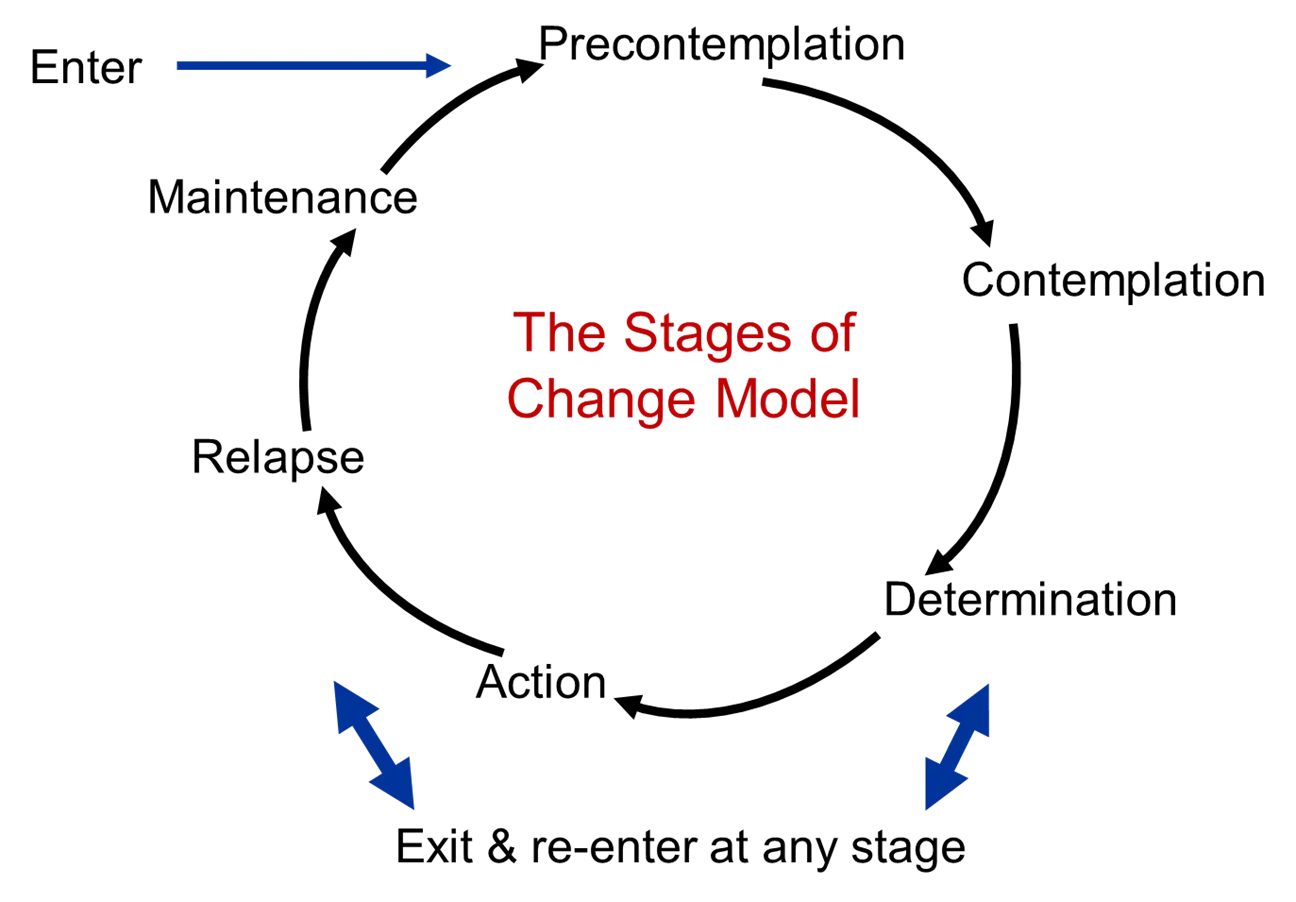
Transtheoretical stages of change model (prochaska and Velicer)
- health behaviour change involves progress through six stages
- precontemplation
- not intending to take action in forseeable future
- usually uninformed or underinformed about consequences
- may have attempted to change and have become demoralisedabout ability to change
- resistant/unmotivated
- contemplation
- intending to change within 6 months
- more aware of pros but acutely aware of cons
- preparation
- intending to take action in immediate future (like next month)
- have taken some significant action in the past year
- action
- have made specific overt modifications in their life styles within the past 6 months,
- maintenance
- working to prevent relapse but dont apply change processes as frequently as people in action, less tempted to relapse and more confident to continue changes
- people can come in and out of cyclical model at any point
- need to identify position in the model and develop stage appropriate intervention strategies and techniques
Parenting styles
Authoritarian parenting
- tendency to have one way mode of communication, parent establish rules which child obeys
- little explanation of rules, expects child to follow them without negotiation or error
- mistakes usually lead to punishment
- lack of nurturing and have high expectations with limited flexibility
- may result in children with higher levels of aggression or shy and socially inept with poor self esteem
Authoritative parenting
- close nurturing relationship with children that requires a lot of patience and effort on both parties
- disciplinary methods are used as a way of support instead of punishment
- frequent and appropriate levels of communication between parent and their child about clear guidelines for their expectations and explanation for reasons associated with disciplinary actions
- leads to healthiest outcomes for children with children becoming confident, responsible, able to self regulate, high level of academic achievement and school performance
Permissive parenting
- warm, nurturing and usually have minimal or no expectations
- limited rules which tends to lead to children with unhealthy eating habits, snacking and therefore increased risks for obesity and other health problems later in the child's life
- open communication but little guidance from parents, parents allow their children to figure things out for themselves
Uninvolved parenting
- children given a lot of freedom
- parent fulfill child's basic needs but remain detached from their life
- no particular discipline style
- limited amount of communication and little nurturing for and with child
POST GA OUTCOMES AMIN AND HARRISON 2007
- relapse vs no relapse
- GA had no effect on their co operational level
- no relapse group
- GA was a wake up for themselves
- new awareness of early dental visits and regular check ups
- relapse group
- valued baby teeth less than no relapse group
- perceived child to be less susceptible after GA
- thought that their child would be more attentive to dental health after GA
- lower self efficacy for controlling childs oral health
- earlier stages or changes
- less receptive to advice from others
- more permissive regarding childs desires
- no immediate plans to change home care behaviours
Post GA review
- GA is not a fix all approach
- patient and family need to be actively engaged in maintaining oral health of the child
- GA will not prevent recurrence of disease and need to involve families of children to prevent relapse
- Parent centred counseling
- brief counselling rather than lecture
- motivational interviewing to examine and resolve feelings about preventive practices and avoids complicated advice
- influence child acceptance of dental treatment at follow up appointments
- reduce uncertainty and acclimatise to dental care
- modelling
- cognitive approach
- dealing with negative thoughts
- distractions
- relaxation
- systematic desensitisation
Possible strategies
- radical treatment during GA
- SSC for multisurface and pulp treated
- prophylactic SSC restorations
- pulpotomies vs indirect pulp caps
- extractions vs pulpectomies
- individualised recall system
- caries risk assessment
- optimum clinical techniques
- hall crown
- health promotion
- preventative
- diet counselling/discussion
- OHI
- fluoride
- tooth mousse
- FS
- inhalation sedation techniques
Brief motivational interviewing
- 30s - 5min
- leave interaction feeling good and inspired
- 2 way interaction that gets person to talk
- open questioning and listening effectively
- affirmations, reflective listening
- summary at end