MODULE 4
#DEN4001
#D4/S1/W4
#Paediatrics
Early Childhood Caries
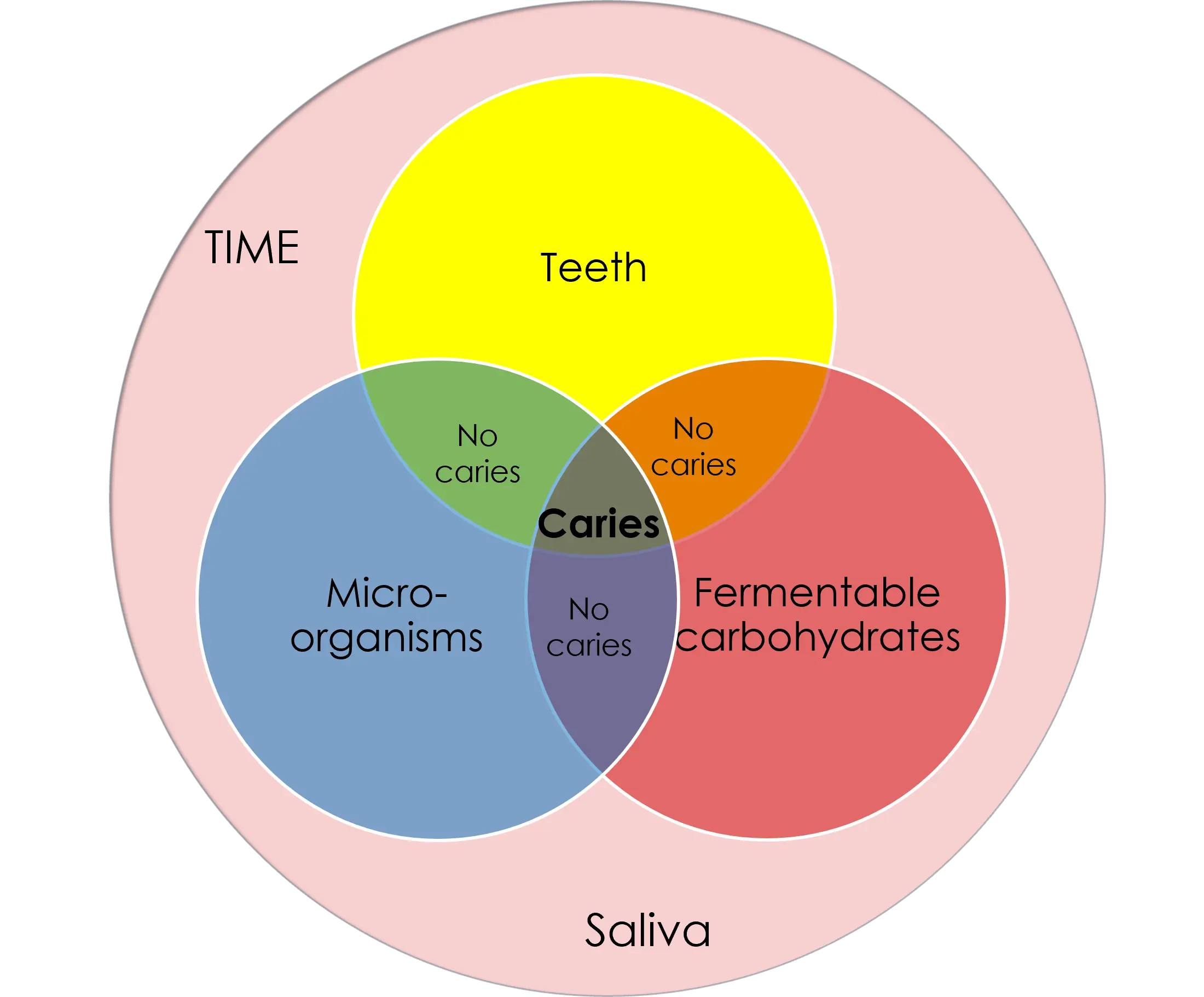
ECC
- one or more decayed, missing due to caries or filled tooth surfaces in any primary tooth in a child under the age of 6 years
- in children younger than 3 years, any sign of smooth surface caries is indicative of severe early childhood caries
- dmfs of 4,5,6 in children ages 3,4,5 is severe ECC
- previous terms
- baby bottle caries
- nursing bottle decay
Sequela of ECC
- if left to progress
- pain
- infection
- restriction of normal daily activities
- delayed growth and cognitive development by interfering with nutrition, concentration and school participation
- complex disease with significant negative impacts on children, their families and the health system
Aetiology
- related to tooth resistance factors
- early infection or oral cavity by mutans streptococci
- dietary factors
- aetiological roots in first year of childs life
normal oral flora - -> form dental plaque
- -> increase consumption of fermentable carb favours acidogenic and aciduric bacteria
- -> acid attack produced -> demin
interaction between
- biological
- behavioural
- cultural
- social
- environmental
susceptible tooth/host
- predisposition including:
- immunological factors (saliva secreted IgA)
- reduce saliva (acid buffer, oral clearance and minerals)
- immature enamel
- tooth morphology
- defects of tooth tissue (hypoplasia/hypomineralisation
- can be due to premature birth, low birth weight,
- pre post natal infection/illness
- nutritional deficiency
- variety of environmental pollutants including maternal smoking
cariogenic microorganisms
- mutans streptococci invovled in caries
- MS source is predominantly thought not exclusively from mothers via vertical transmission
- infection with MS can occur at a very young age
- most children colonised by 24months
factors associated with MS colonisation
- frequent sugar exposure
- frequent snacking
- taking sweetened drinks to bed
- sharing food with adults
- high levels of maternal MS, maternal dietary habits and poor oral hygiene
baby bottles
- risk of caries sensitive to interaction of multiple factors including non-bottle dietary practices
- tends to be associated with use of bottle during sleep (with added sweeteners)
- baby bottle beyond 12 months, especially frequent/nocturnal, associated with ECC
breast feeding
- prolonged or on demand breast feeding implicated in development of ECC
- lack of study/data to prove exact
- breastfeeding beyond 12 months, associated with ECC (esp nocturnal/frequent)
fermentable carbohydrates (substrate)
- greater number and frequency of highly sweetened foods and drinks in first year of age are strongly associated with incidence of childhood caries in subsequent years
Management of ECC - Prevention
- reduce availability of refined carbohydrates
- poor feeding and dietary practices continue despite intensive and prolonged dietary advice
- feeding practices heavily influenced by cultural factors, social and family norms,
- parents who find it difficult to differentiate cariogenic potential of many products
- settling babies while sipping milk / sweet substances
- reduce microbial burden
- chemical suppression using chlorhexidine and xylitol
- CHX 1.2% mouth rinse 1 minute per day for 1 week per month for caregiver and children older than 6 years of age
- xylitol gum for children and maternal chewing
- prophylactic, toothbrushing or professional
- restorations
- chemical suppression using chlorhexidine and xylitol
- increase resistance of teeth
- water fluoridations
- varnish and gel appropriate dose
- toothpaste
Management of ECC - INTERVENTIONS
- early assessment
- parents needs to understand aetiology of ECC, correct OH, importance of dental visits, knowledge and ability to introduce low cariogenic diet
- improve OH of parent
- risk assessment
- family values, traditions, lifestyle, culture, social class
- attitudes of parents and ability to keep children's OH
- CaMBRA 0-5 tool
- motivational interviewing
- alter thinking and behaviour
- encourage behaviour change rather than challenge
- respect clients thought s and beliefs before providing advice
- therapeutic management
- CHX mouthrinse
- fluorides
- CPP ACP
- frequent radiographs
- periodic oral exam
- xylitol gum
- fissure sealants
- restorative care
- ART with GIC
- hall crown
- fluoride varnish
- regular reviews/recalls
Policy on ECC
- establish clinic within 6mo of eruption of first tooth and no later than 12 months of age
- modify diet to avoid frequent consumption of sugar
- eliminate frequent or nocturnal feeding
- plenty of water
- avoid sugar under 2
- no 100% fruit juice before 12mo
- limited juice after 12mo
- parent brush childs teeth twice a day
- fluoride varnish