Module 10
Oral Medicine Geriatrics
Geriatrics
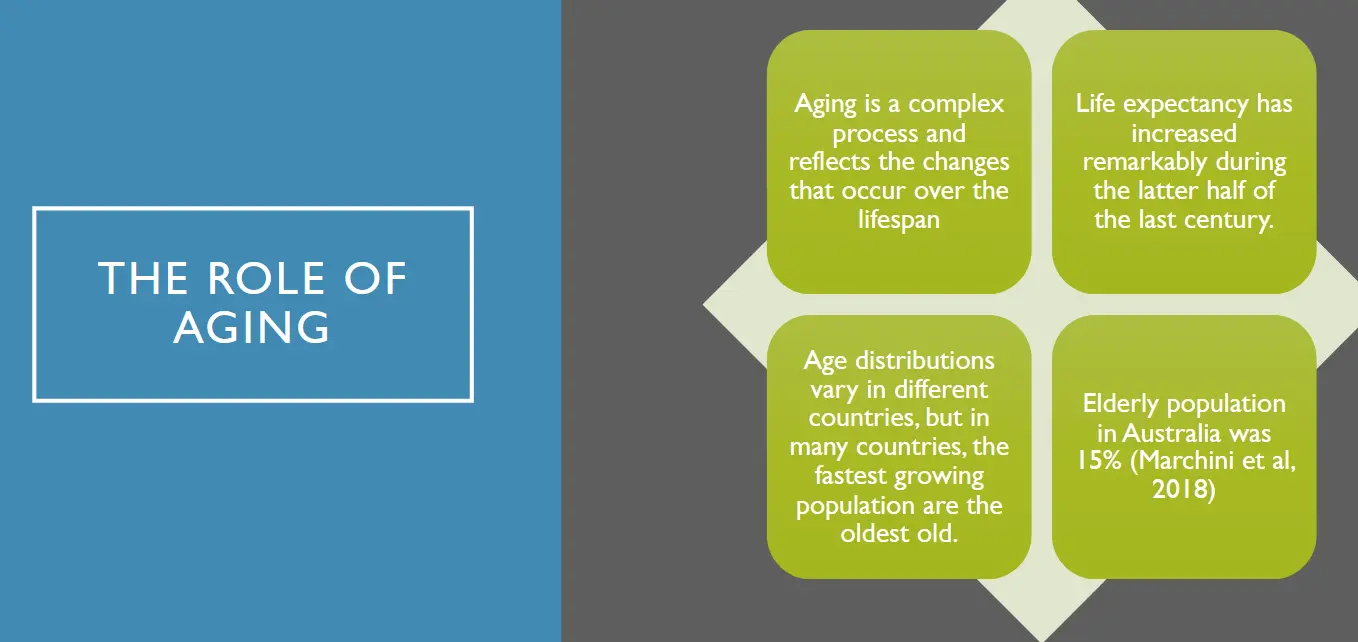
- many changes in oral health due to a combination of natural aging, medications, lifestyle factors
- key conditions
Xerostomia
- reduced function of saliva glands leads to decrease in saliva flow
- worsened by medications (antihistamine, antidepressants, diuretics), diabetes, dehydration
- xerostomia lead to difficulties in chewing, swallowing ,speaking, increase risk of caries, perio, infection due to buffering effect of saliva
Recession
- natural aging causes recession, also poor OH, perio, toothbrush abrasion
- recession lead to sensitivity, discomfort, increase risk of caries
Enamel wear and sensitivity
- natural wear with age, parafunction, mastication, erosion
- tooth sensitivity, higher risk caries
discolouration
- aging causing enamel to thin, yellow dentine more visible (intrinsic discolouration), smoking, drinking coloured liquids, poor OH (extrinsic)
- affect appearance and self esteem
Tooth loss
- perio, caries, trauma
- affects phonetics, mastication, self esteem, facial support/appearance
increase risk of perio
- decline in oral hygiene and difficulty maintaining proper oral care, chronic conditions
- causes bone, gingival loss, mobility, tooth loss
oral mucosa
- thinner and less resilient with age, higher risk of developing infections or sores, especially in those who wear dentures
- irritation, soreness, greater susceptibility to fungal infections
difficulty eating
- loss of teeth, poor fitting denture, dry mouth, certain medication affecting dysphagia
- can lead to malnutrition, weight loss, difficulty enjoying meals
increased risk of oral cancer
- older adults more likely to develop due to long term alcohol, tobacco use, exposure to HPV
- difficulty in recognising early symptoms may lead to later diagnosis
Prevention/management
- regular checkup
- good OH
- good hydration
- good diet and nutrition
- avoid tobacco, limit alcohol
Caries
- teeth last longer now
- age related saliva changes and poor diet
- gingival recession
- greater likelihood of medication induced xerostomia
Perio
- very constant risk for elderly as PDL and bone has an expected lifespan
Candidiasis
- due to
- denture
- salivary gland dysfunction
- drugs that alter oral flora or immune function )antibiotics, antineoplastic, corticosteroid and immunosuppressing drugs)
- DM
- malnutrition and other immunocompromising conditions
- types
- acute pseudomembranous
- hyperplastic
- atrophic
- angular cheilitis
Denture stomatitis
- poor denture hygiene, continual and night time wearing of removal dentures, accumulation of denture plaque, bacterial and yeast contamination of denture surface
Xerostomia
- polypharmacy
- head and neck radiation
- general health
- older age
MRONJ
- exposed bone in maxillofacial region that does not heal within 8 weeks of being identified by a healthcare provider in a patient that is currently or has been on bisphosphonates who does not have a history of radiation therapy in the craniofacial region
Oral Health and oral cancer in Elderly
Oral cancer
- prevalence increase with age, particular concern 65yo+
- exposure to risk factor
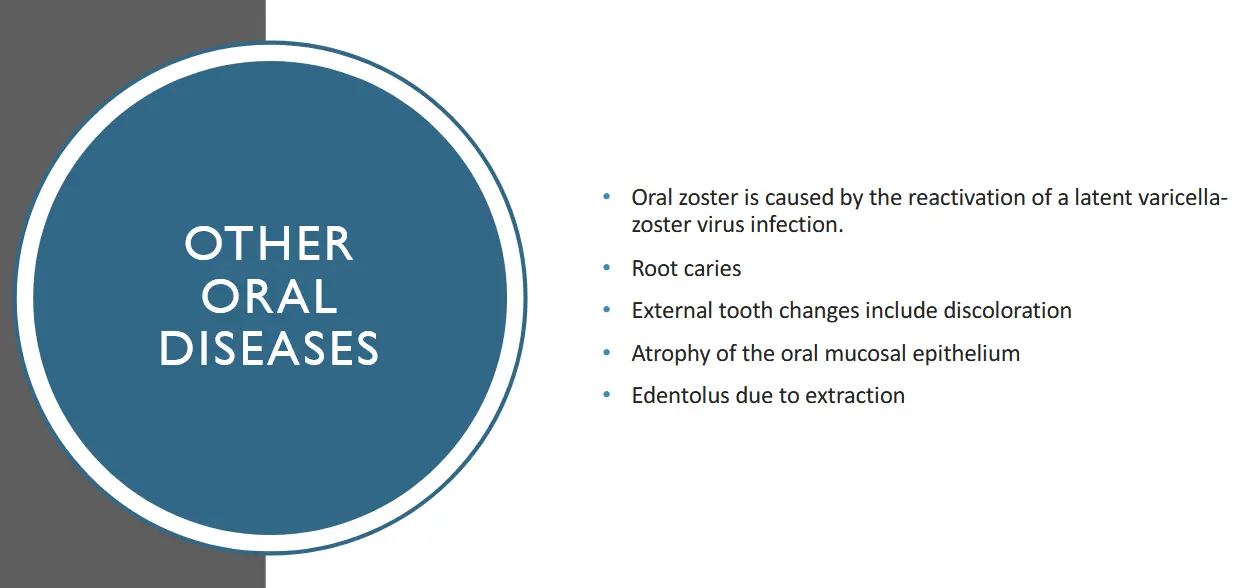
- tobacco, alcohol, betel nut, UV radiation, high risk HPV