Endodontics INDEX
Lectures
Week 1
- Endodontic microbiology and infections
- Pulpal and Periradicular Pathosis
- Examination and diagnosis or pulp, root canal and periradicular conditions
- Endodontic Armamentarium
- Dental Dam
- Access for Root Canal Treatment
- Restoration of endodontically treated teeth
Week 2 - Endodontic Radiography and Working length determination
Week 3 - Root canal mechanical instrumentation 1, working length, glide path, hand instrumentation methods
- Root canal mechanical instrumentation 2, rotary canal preparation methods
Week 4 - Root Canal Obturation
- Irrigation, medication, temporisation (single visit root canal treatment debate)
Week 5 - Endodontic Case Selection and Treatment Planning
- Endodontic emergencies
Week 6 - Prognosis, recall, evaluation of endodontic treatment outcomes
- Endodontic procedural errors and their management
Week 7 - Vital Pulp Therapy
- Diagnosis and management of concurrent endodontic and periodontal diseases
Week 8 - Dentoalveolar Trauma
Week 9 - Diagnosis and Management of Cracked & Fractured Teeth
- Endodontic Retreatment Case Selection & Procedures
Week 10 - Introduction to Surgical Endodontics
- Endodontic Management of Immature Teeth
- Bleaching of Endodontically Treated Teeth
Week 11 - Infection Control in Endodontics (Aseptic Technique)
Week 12 - Pathological Tooth Resorption
Studies
- Kakehashi et al 1965
- Sundqvist et al 1976
- Fabricius et al 1982
- Nair et al 1996
- Chugal et al 2003
- Siquera and Rocas 2009
- Siqueira Jr, Rocas. 2021
**What is Endo
- morphology, physiology, pathology of human tooth
- vital pulp management, pulpotomy, pulpectomy,
- trauma
- diagnosis of orofacial pain
- structural response of teeth following root canal treatment
Host response to bacterial infection
- Kakehashi et al 1965
- microorganisms, byproducts and damaged tissue can cause periradicular inflammation (apical periodontitis)
- teeth with infected root canal has close correlation with periapical disease
- periradicular inflammation is usually adjacent to portals of exit such as apical foramina, lateral canals
- periradicular inflammation inhibits spread of infection to surrounding bone
- teeth with sterile root canals, even with necrotic pulp, generally do not result in periapical disease
**Nature of Microbes in endodontics
- most microbes infecting pulp chambers and root canals are bacteria, sometimes yeasts, viruses and archaea are present
- PCR have shown multitude of bacterial species
- Majority of bacteria in RC are facultative or obligate anaerobes
- longer the infection and deeper the canal the greater proportion of anaerobes
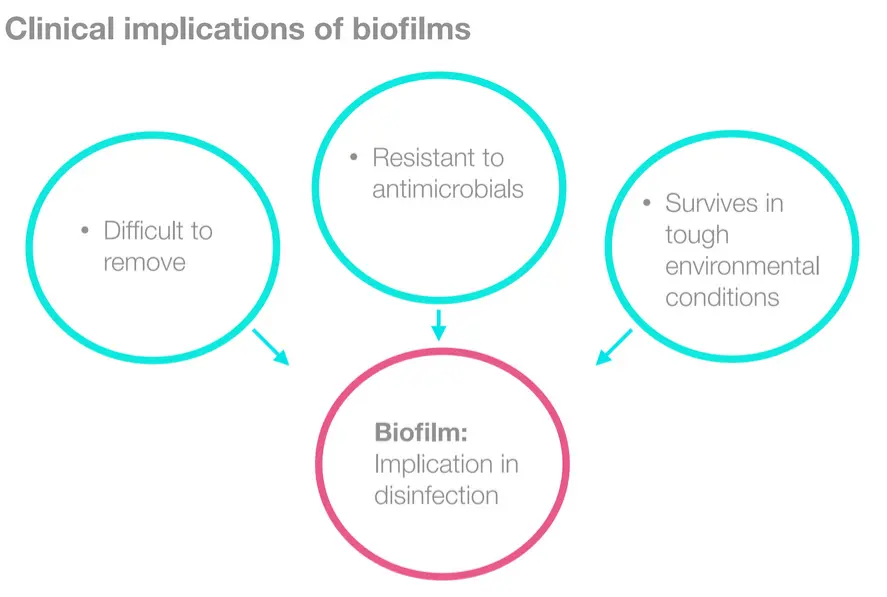
- most root canal infection is in the form of a bacterial biofilm
- biofilm - dynamic community of bacteria irreversibly attached to a solid surface and embedded in a matrix (EPS)
- Planktonic - loose or suspended in root canal
BIOFILM
Biologic Basis of endodontics
- primarily bacterial infection, in a biofilm
- biofilm adhere to RC walls, afford a protective mode of growth
- these biofilm result in pulpal and periapical disease
- chemo-mechanical techniques used to address bacterial infection
Aims of endo
- maintain pulp vitality as far as practicable
- prevent bacterial ingress into root canal system
- eradicate infection from root canal system
- ensure there is no re-infection or root canal system
Chemo-mechanical canal disinfection
- Mechanical root canal instrumentation
- Root Canal irrigation
- Intra-canal Medication
Sequence of endodontic Treatment
Step 1: Pre-exam questionnaire and interview including:
Step 2: Pain control
Step 3: Access and length determination
Step 4: Mechanical instrumentation of the root canal system Irrigation
Step 5: Medication and temporization if necessary
Step 6: Ultrasonic activation and Obturation
Step 7: (semi)Permanent coronal restoration
Step 8: Recall, assess disease control and maintenance
Root canal treatment sequence
- Pre-operative radiograph
- Estimate canal length
- Local anaesthesia
- Rubber dam
- Change gloves and open endodontic kit
- Swab site
- Interim restoration
- Access: HS through enamel, SS through dentine
- Locate canal, place NaOCl, use #10 /.02 to length
- Use electronic apex locator
- Confirm length with radiograph and #15 /.02
- Glide path / root canal freeway
- Use NiTi MTwo or EdgeFile X7 with NaOCl
- Ultrasonic activation of irrigant
- Dry canals
- Obturation
- Restoration