Module 7
#DEN4002
#D4/S2/W7
#OralSurgery
Orofacial Infection
Orofacial infection
- 3 phases
- inoculation and induration
- cellulitis
- abscess
- cause
- mixed oral flora
- usually dominated by gram positive aerobic and facultative streptococci
- pathology
- aerobic early coloniser, cause local hypoxia and acidosis
- creates ideal environment for anaerobes
- anaerobes develop over 3-5 days
- anaerobes cause tissue destruction and pus formation
- mortality rate of deep neck infections is 7.65%
Infection spread
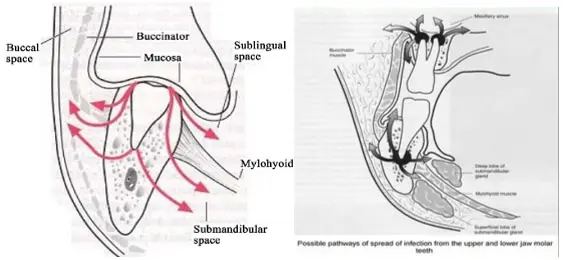
- facial spaces exist between fascial planes of soft tissue, with muscle attachments determining whether vestibular or fascial space infection will result
- initially
- caries -> pulp -> periodontium -> alveolar bone
- primary neck spaces
- vestibular
- buccal
- submandibular
- sublingual
- canine
- submental
- secondary spaces
- masticatory
- pterygoid
- sub masseteric
- pterygomandibular
- temporal
- infratemporal fossa
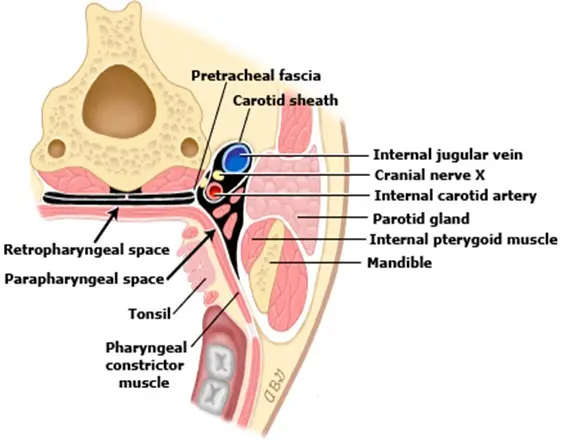
- lateral pharyngeal
- retropharyngeal
- prevertebral space
- danger space
- masticatory
Danger space
- space between alar and prevertebral fascia, extending from base of skull to diaphragm
- retropharyngeal space infection that perforates alar fascia into danger space can spread into mediastinum
Definition
- pus
- avascular soup of debris/necrotic by-products and dead microorganisms
- abscess
- localised collection of pus within a cavity, formed by disintegration of tissue
- capsule of pseudo connective tissue
- less aggressive than cellulitis, localised and well circumscribed
- fluctuant with pus present
- cellulitis
- diffuse swelling of inflammatory exudate within soft tissue
- aggressive, diffuse, doughy feel, no pus, painful, spreading erythema
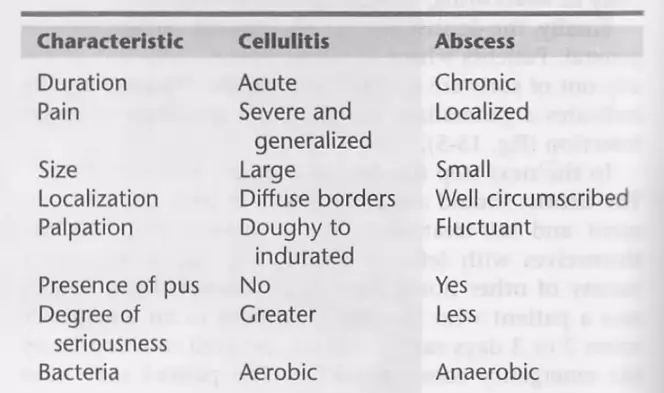
- not mutually exclusive, both can occur at the same time
Assessment
clinical exam
- history
- intra extra
- appropriate tests
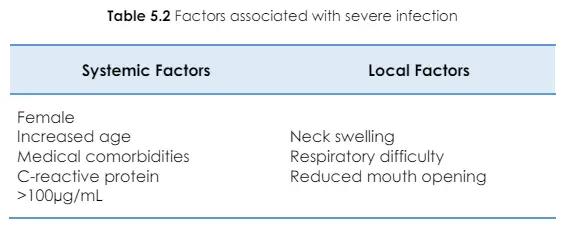
- determine severity
Assessment
- clinical
- systemic
- do they look sick/well?
- febrile/dehydrated/pain
- bp, pulse rate, respiration rate
- local
- swelling, trismus, caries, deviation of uvula, elevation of tongue
- systemic
- radiological
- plain XR, opg
- CT scan (gold standard Yonetsu et al 1998)
Diagnosis
- odontogenic cause
- concept of facial space
Systemic signs of infection
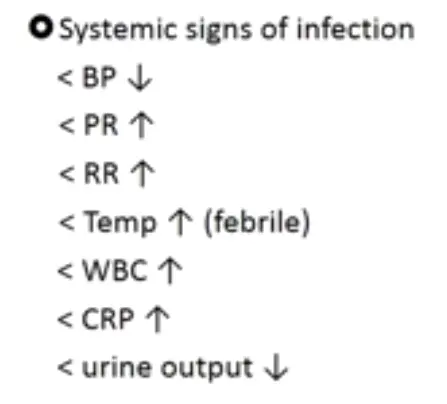
- hypotensive septicaemia
Airway and breathing assessment
- signs
- dyspnoea - abnormal/shortness of breath
- orthopnoea
- tachypnoea
- stridor - harsh high pitched wheezing sound
- dysphagia
- trismus
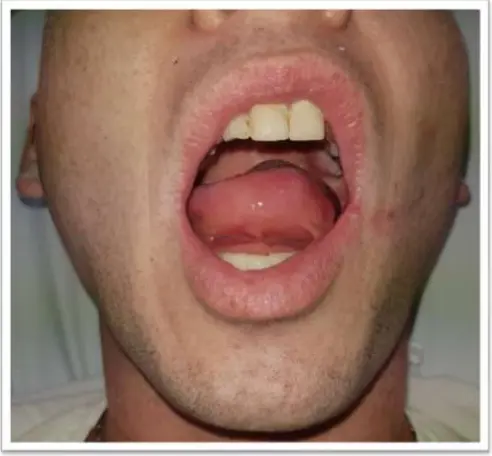
- reduced tongue mobility
- elevation of floor of the mouth
- lateral pharyngeal oedema
- deviation of uvula
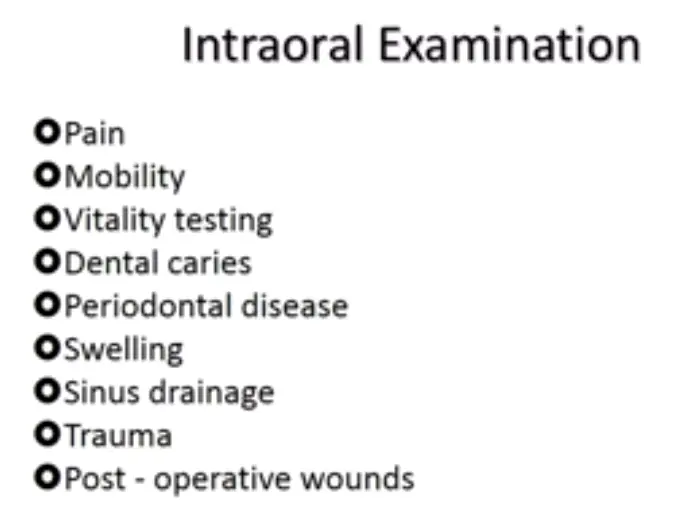
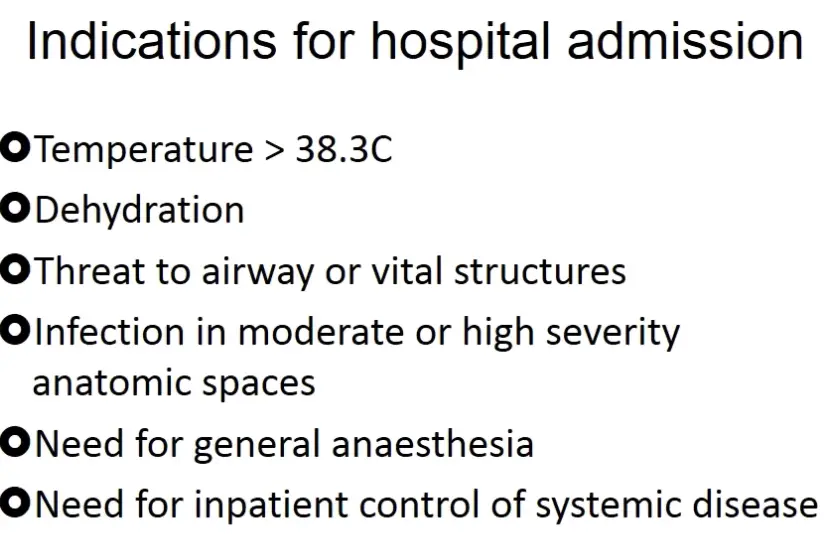
- dehydrated in cases where standard measures do not improve condition
- patients with systemic diseases who need multidisciplinary team
- uncontrolled diabetes
- immunocompromised
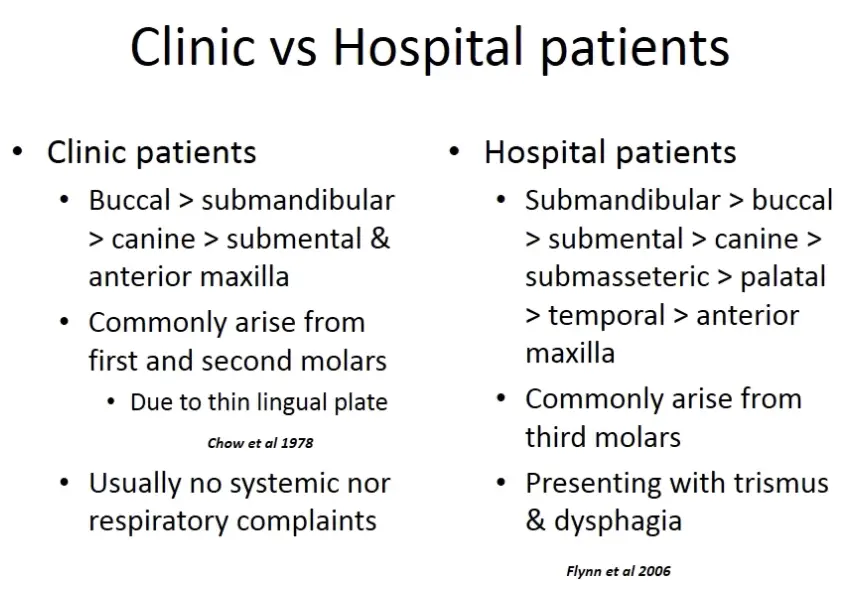
Key features of hospitalised patients Hwang et al 2010
- trismus
- floor of mouth oedema
- decreased tongue mobility
- elevated temperature
Elevated tongue
Complications
Surgery vs antibiotic therapy
- removal of source of infection is superior treatment to antibiotics
- where there is pus let there be steel
- don't let the sun set on undrained pus
Follow up and review
- re evaluate whether patients have responded to treatment
- most respond well
- drains removed 1-2 days post op
Signs of treatment failure
- persistently raised temperature and WBCs
- persistent induration
- constant discharge of pus
- continued airway distress
- re-evaluation and re-treatment prudent
causes of failed treatment
- inadequate surgery
- depressed immune status
- foreign body retention
- wrong diagnosis
- failed antibiotic treatment
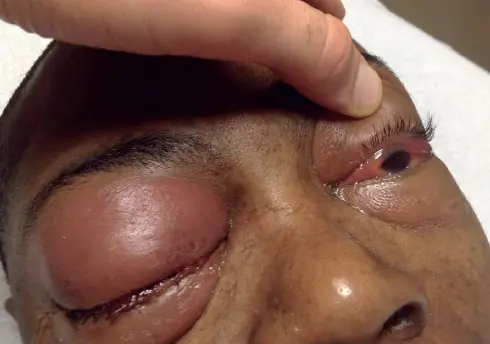
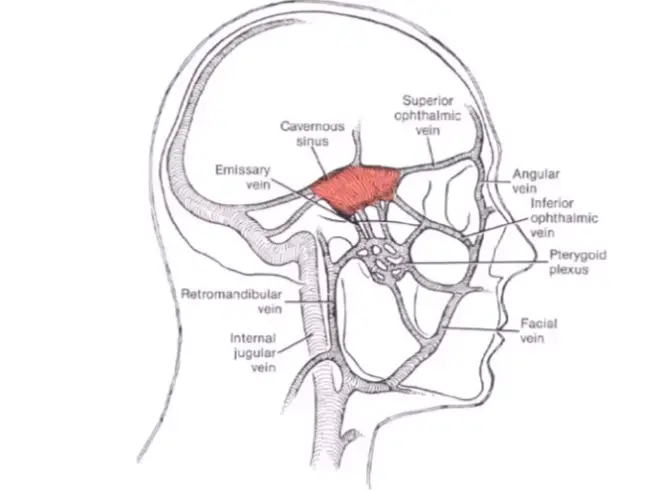
Cavernous sinus thrombosis
- uncommon but potentially lethal
- occurs particularly in individual with thrombophilic disorders
- direct spread of infection from infratemporal fossa
- indirect spread from upper lip via superior labial vascular plexus
- indirect spread from canine fossa via inferior ophthalmic and facial vasculature
- facial vasculature have no valves
- clinical signs (usually result of cranial nerve involvement)
- pressure headaches
- periorbital oedema
- proptosis
- dilated pupils
- limited range of eye movement
- absent corneal reflex
- supraorbital sensory deficits
- generalised malaise, sepsis, meningitis
Lateral pharyngeal space infection
- infection of contents
- thrombosis within internal jugular
- carotid erosion
- cranial nerve compression
- spread to mediastinum via spread to retropharyngeal space: mediastinitis
Ludwigs angina
- rare ish
- potentially life threatening cellulitis
- must involve bilateral submental, sublingual, submandibular spaces
- can close airway within hours, airway distress
- in reality:
- though uncommon, any sublingual or submandibular space infection is potentially life threatening if causing:
- elevation and displacement of tongue
- potential airway obstruction from cellulitic oedema or tongue obstruction
- inability to control secretions
Advanced airway management
- fibreoptic assisted intubation or blind nasal intubation on awake patient Preferred
- orotracheal intubation is precarious given trismus and rupture of pharyngeal wall infection risk
- consider emergency cricothyrotomy followed by definitive tracheostomy if awake intubation not possible
Management
Treatment
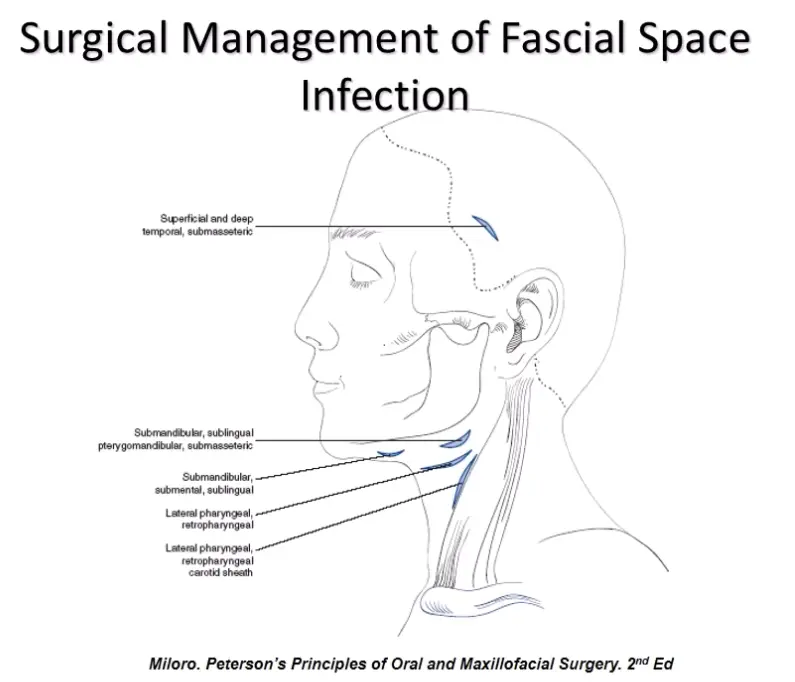
- surgical
- treat cause and establish drainage for infection
- medical
- antibiotic therapy
- supportive
- hydration
- nutrition
- antimicrobial
- rest
- pain management
Radiographs
- opg
- periapical xrays
- CT scan
- gold standard for facial space spread
- lateral neck soft tissue view
- historical, no longer performed
Laboratory tests
- FBC, UE, blood films
- most critical
- WBC
- electrolyte
- ESR (sed rate)
- CRP
- blood cultures if patient is septic or develops sudden pyrexia
- direct specimens by needle aspiration or swabbing
Indications for antibiotics
- rapidly progressive swelling
- diffuse swelling
- compromised host defences
- involvement of fascial spaces
- severe pericoronitis
- osteomyelitis
useful antibiotics
- mild moderate infection
- amoxicillin - broad spectrum, gram+ve cocci and most oral anaerobes
- moderate severe infections
- amox metronidazole
- augmentin
- clindamyacin
- all broad spectrum with more aggressive anaerobic bacteria cover
- consider flucloxacillin also as 7% of odontogenic infections include staph
Principles of treatment
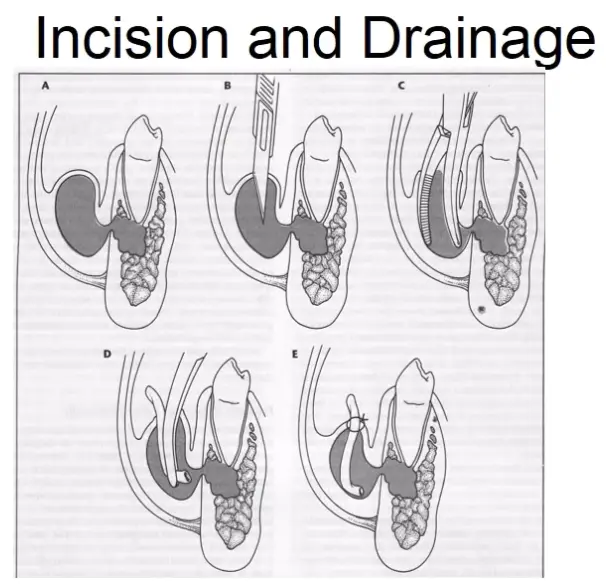
- obtain drainage
- maintain drainage
- remove source of infection
- medical support
Clinical considerations
- do not introduce local anaesthetic into area of infection
- use blocks whenever possible
- change needle if possible contaminated
- may require more local than usual
- LA may still not work
- consider regional block or general anaesthetic
Incision and drainage