MODULE 8
Behavioural Management
Prevention
- avoiding stress of first visit being precipitated by pain and fear
- acclimitising and desensitising people to dental in home or other location
- positive speak about the dentist, reading material, audio visual
- some type of exposure therapy before the appointment
Location
- introducing dental team in another setting they are familiar with
- comfort in familiarity once they arrive to clinic
Access
- size of rooms, lift access, ramps, stairs
- size of doorways, handrails, AV material
- public transport, disability access car parking, protection from weather, ramps into facility, ample parking
Timing
- some people more comfortable and compliant at certain times of day
- behavioural changes and rhythms
- medications
- interruption to routine
Clinic environment
- sensory triggers
- aural pitch, cadence, volume, language
- body language, clothing, gender
- presence of family members/ carers
Treatment planning
- timing and sequencing, simple to complex?
- hand then rotary?
- treatments without LA first and progress to introducing it
- prevetion to perio to resto to surgical
- need to treat under restraint?
Specific behavioural techniques
- shaping
- reward successive approximations to a target behaviour
- modelling
- correct behaviour is demonstrated for the learner
- learner observes the model, then imitates behaviour of the model
- undesirable behaviours can be modelled as easy as positive ones can
- suggestion
- guide the thoughts and behaviours through proposals
Pain and anxiety control
- fear
- emotional response to perceived threat
- basic survival mechanism occurring in response to specific stimulus, such as pain or threat of danger
- anxiety disorder
- blanket term for several different forms of abnormal and pathological fear and anxiety
- phobia
- irrational, intense and persistent fear or certain situations, activities, things, animals or people
- main symptoms is excessive and unreasonable desire to avoid the feared stimulus
- generally cause by event recorded in the brain and labelled as deadly or dangerous
- Measuring anxiety
- Corahs dental anxiety scale
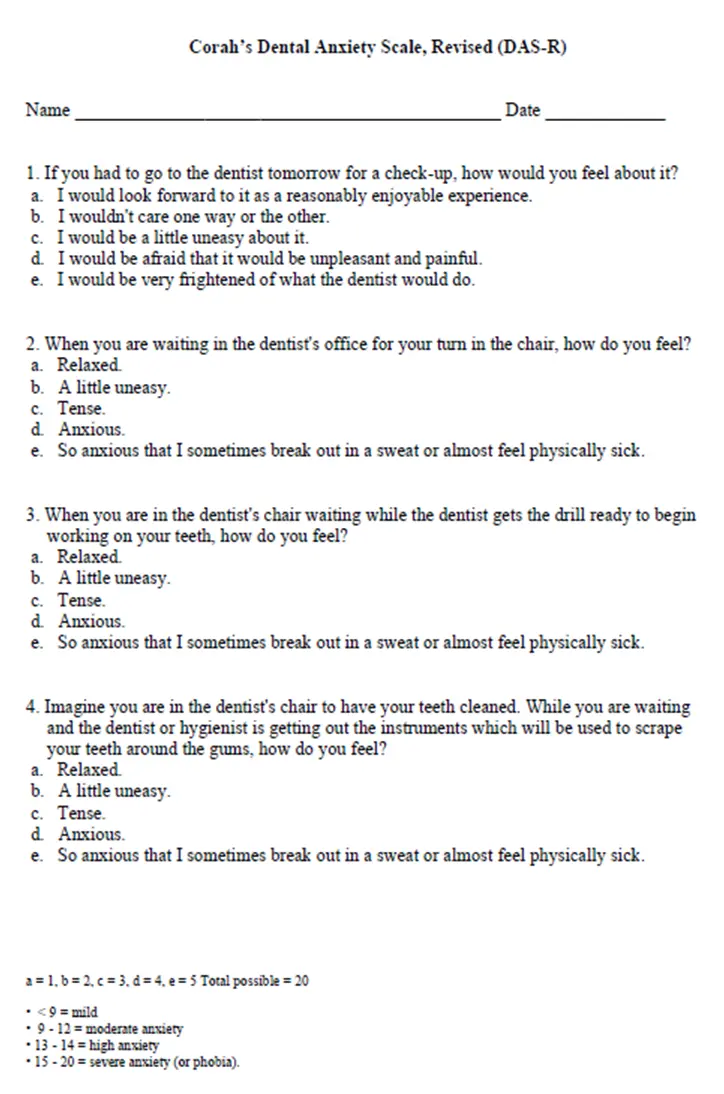
Management of anxiety
- optimal communication
- empathetic approach
- prepared to take alternative pathways
- establish preventitve strategy immediately
- address acute pain as soon as possible
- do follow up and review at short intervals
Behavioural techniques - distraction
- suggestion
- relaxation/hypnosis
- cognitive and behavioural therapy
- systematic desensitisation
Pharmacological techniques - GP prescribed or dentist prescribed
- illict: beware consent and compliance issues
- herbal calmatives
- conscious sedation (oral, inhalation, intranasal, intravenous)
- general anaesthesia
Management of pain - may need to consider treatment adjuncts used in order to perform dental procedures
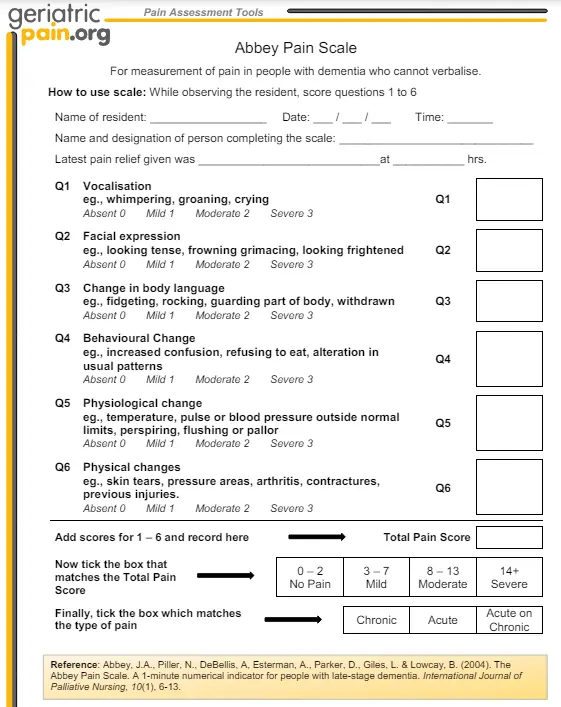
Diagnosis of pain - need to be able to understand their pain experience in order to treat them appropriately
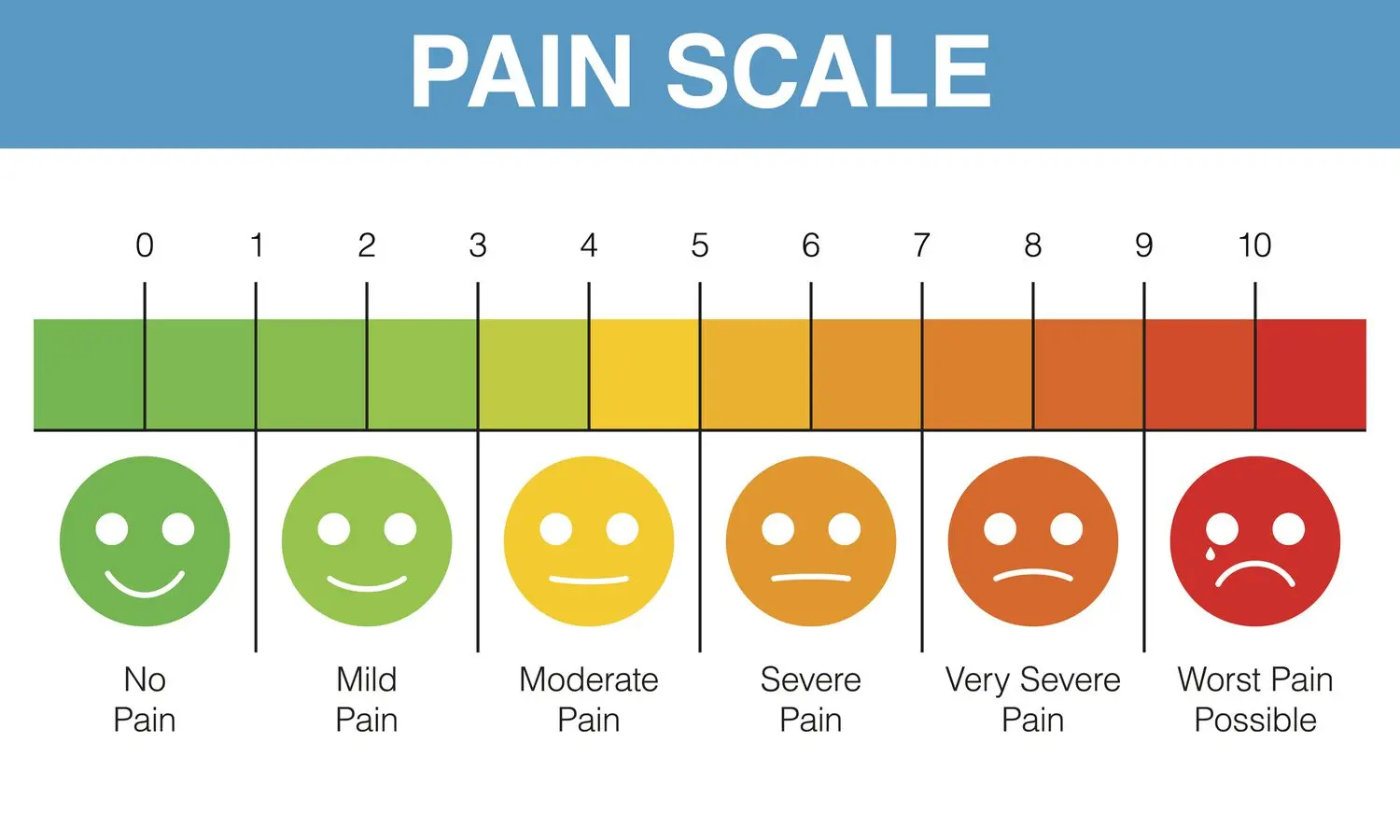
- gauge pain off presentation, abbey pain scale
Restraints
- physical restraints not used anymore
Chemical restraints
- drug used for discipline or convenience and not require to treat medical symptoms
- oral sedfation
- nasal/inhalation sedation
- intravenous sedation
- intramuscular sedation
- intranasal
- per rectum
- general anaesthetic
- may be needed based on compliance, anxiety and access for treatment
- used if other methods have not worked, and it is deemed safe for patient to undergo treatment under chemical restraint
- must consider
- patient age
- patient overall health
- weight/body mass index
- money
- risk vs reward