Module 12
OPM Haematological Diseases
- conditions affecting blood and its components, including RBC, WBC, plateley, plasma
- disorders can include abnormality in production, function or structure, leading to anemia, clotting disorder or leukemia
- common example
- anaemia - shortage of RBC
- thrombocytopenia - low platelet count
- haemophilia - bleeding disorder
blood
- functions
- transport nutrients to tissue and remove waste products
- haemoglobin in RBC transports oxygen and co2
- maintains body temp and pH levels in tissue
- prevents loss via clot formation
- prevents infection
- components
- rbc
- wbc
- platelet
- clotting factor
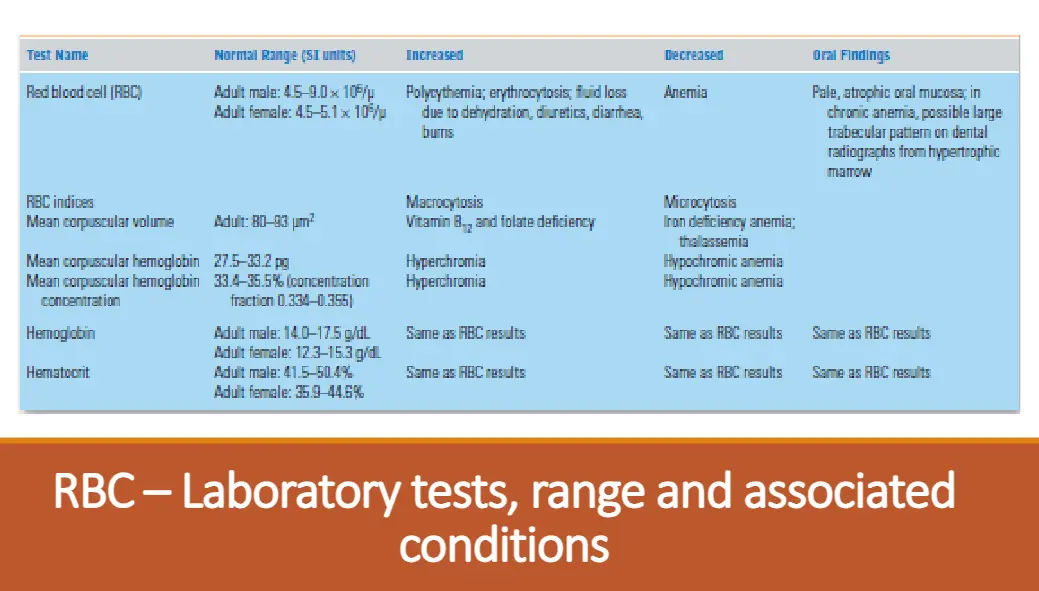
Anaemias and Thalassemia (RBC associated disorders)
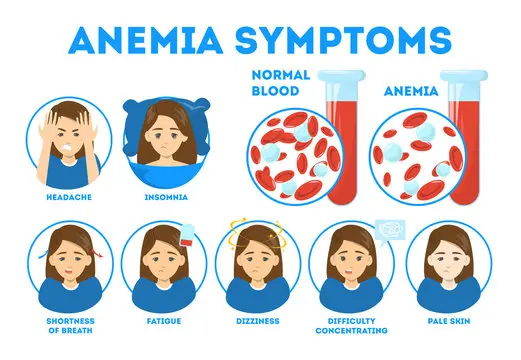
Iron deficiency Anaemia
- iron deficiency
- reduction in total body iron to the extent of iron storage
- diagnosis
- based on finding of RBC that is microcytic (smaller than normal) hypochromic (more pale), which are both due to reduce supply of haemoglobin required for unaltered synthesis of RBC
- reduced haemoglobin levels and RBC count is first clue for iron deficiency
- cause
- could be related to low dietary intake, impaired absorption or excessive iron loss
- clinical manifestations/symptoms
- chronic fatigue
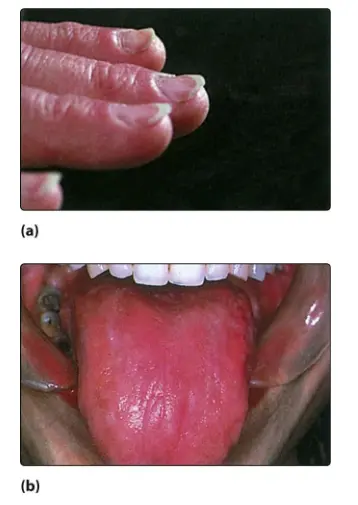
- pallor of conjunctivae, lips, oral mucosa
- brittle nails with spooning, carcking and splitting of nail beds
- palmar creases
- also, palpitations, shortness of breath, numbness and tingling in fingers and toes, bone pain and sometimes unusual food cravings (pica)
- oral manifestations
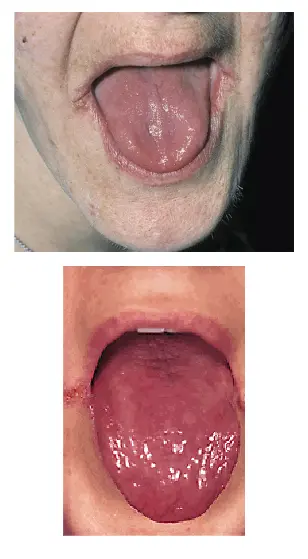
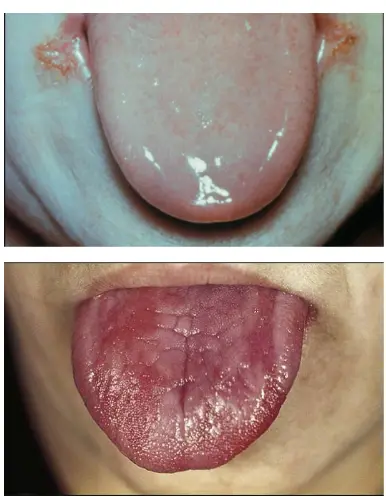
- glossitis
- stomatitis
- angular cheilitis
- atrophy of filiform and fungiform papillae
- pale oral mucosa
- oral candidiasis
- RAS
- erythematous stomatitis and burning mouth
Plummer vinson syndrome
- paterson kelly syndrome or sideropenic dysphage, rare syndrome
- triad of
- dysphagia
- iron deficiency anaemia and
- upper esophageal webs or strictures
Megaloblastic anaemia (Macrocytic anaemia)
Megaloblastic anaemia
- b12 is required for formation of RBC , vitamin b12 deficiency or folate deficiency causes megaloblastic anaemia
- diagnosis
- serum b12 levels used to diagnose but might not be helpful in patients with subclinical disease
- serum methylmalonic acid and homocysteine levels can be more sensitive methods
- cause
- low b12 or foalte
- clinical manifestations/symptoms
- paraesthesia, tingling numbness hands and feet
- peripheral neuropathy
- combined systems disease with uncoordination and muscle weakness
- impaired sense of smell
- syncope
- fatigue, irritabiltiy, personality change, mild memory impairment, dementia, depression, psychosis
- possible increased risk of myocardial infarction and stroke
- oral manifestations
- burning sensation of tongue, lips, buccal mucosa, other mucosal sites
- tongue and mucosa could be smooth or with patchy erythema
- dysphagia
- taste alterations
Thalassemia
Thalassemia
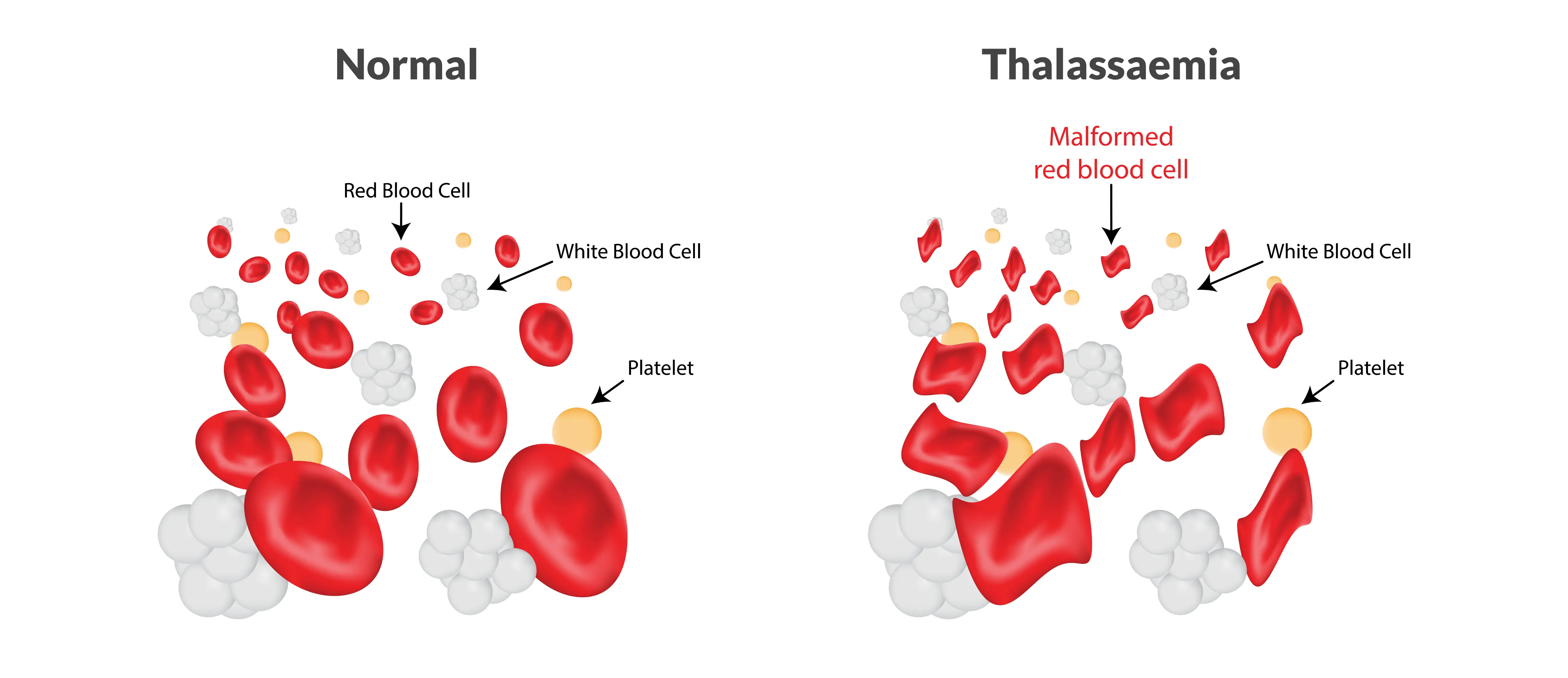
- group of genetic disorders characterised by distrubance of either alpha or beta haemoglobin chain production
- alpha thalassemias are benign
- beta thalaessemia severity can range from no symptoms to transfusion dependence
- most severe form of beta thalassemia called thalessemia major/cooleys anaemia
- diagnosis
- full bloods and genetic testing
- cause
- inherited genetic mutation
- clinical manifestations/symptoms
- fatigue and weakness
- pale skin or jaundice
- protruding abdomen with enlarged spleen and liver
- dark urine
- abnormal facial bones and poor growth
- untreated thalassemia can result in skeletal changes, osteoporosis, growth retardation, platyspondyly, kyphosis
- oral manifestations
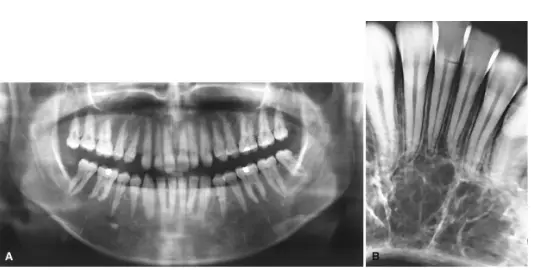
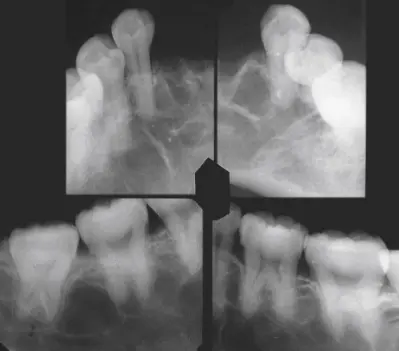
- radiographically
- spiky shaped and short roots
- taurodontism
- attenuated lamina dura
- enlarged bone marrow spaces
- small maxillary sinuses
- absence of inferior alveolar canal
- thick cortex of mandible
- clinically
- class II malocclusion, short mandible, reduce PFH, increased AFH
- narrow maxilla, narrow incisal widths
- delayed dental growth (1 year)
- radiographically
Sickle cell anaemia
Sickle Cell anaemia
- most prevalent genetic haematologic disorder
- diagnosis
- hemoglobin S blood test, genetic test
- cause
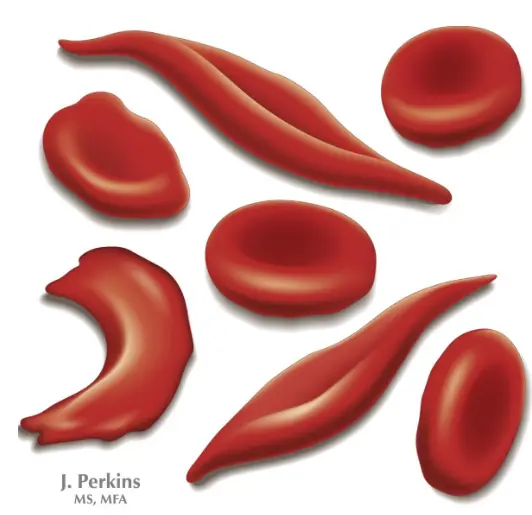
- haemoglobin gene mutation, consisting of replacement of amino acid glutamic acid
- normal biconcave discoid shape of erythrocyte is distorted, generally presenting in sickle like shape, reduces plasticity and lifetime from 120 days to 14 days, reuslting in underlying anaemia and hypertrophic bone marrow
- clinical manifestations/symptoms
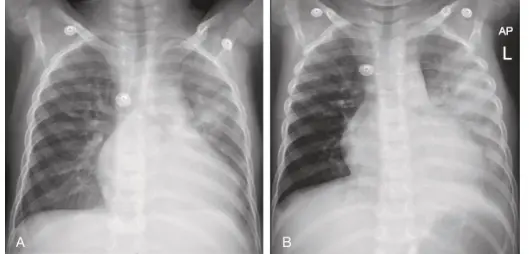
- Invasive infections, painful episodes, acute chest syndrome, cerebrovascular accidents/ strokes, aplastic crises leading to severe anaemia, chronic leg ulcers, hematuria, aseptic osteonecrosis, retinitis leading to blindness, priapism, pregnancy-associated problems, hyposplenism when young and then hypersplenism due to splenic sequestration, renal failure, and chronic pulmonary hypertension
- oral manifestations
- enamel hypomineralisation
- calcified canals
- increased overbite
- increased overjet
- increased prevalence of osteomyelitis
- pallor of oral mucosa and delayed eruption of teeth
- interruption of blood supply can result in anaesthesia of inferior alveolar nerve and pulpal necrosis of otherwise sound premolar and molar teeth
Leukemias
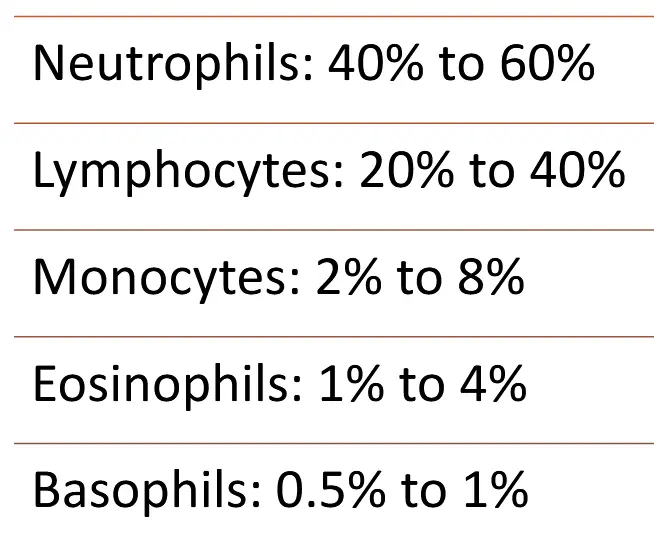
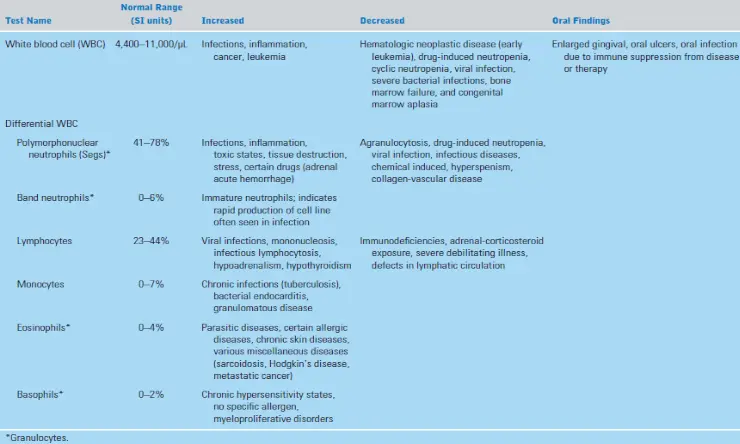
WBC components
leukemia
- results from proliferation of a clone of abnormal hematopoietic (blood stem cell) cells with impaired differentiation, regulation and programmed cell death (apoptosis)
- classified as
- acute or chronic
- myeloid of lymphoid
- therefore
- aml, all, cml, cll
- more common in adults than in children, most chronic leukemias in adults
- or acute leukemias, ALL is more common in children, AML more common in adults
- peripheral granulocyte count is increased in chronic leukemia but may be increased (with numerous blast forms), decreased or normal in acute leukemia
- lab diagnosis made from identification of abnormal hematopoietic cells in peripheral blood and bone marrow
AML
leukemia
- more common in older people and males
- diagnosis
- presence of atleast 30% blast cells in peripheral blood
- cause
- heterogenous clonal disorder of hematopoetic progenitor cells (blasts) that lose ability to differentiate normally and to respond to normal regulators of proliferation
- clinical manifestations/symptoms
- in absence of treatment, bone marrow failure and fatal infection, bleeding, organ infiltration (brain and lung) can occur within 1 year of diagnosis
- fever, weight loss, muscle or join pain, fatigue/malaise, anaemia
- same as ALL
- oral manifestations
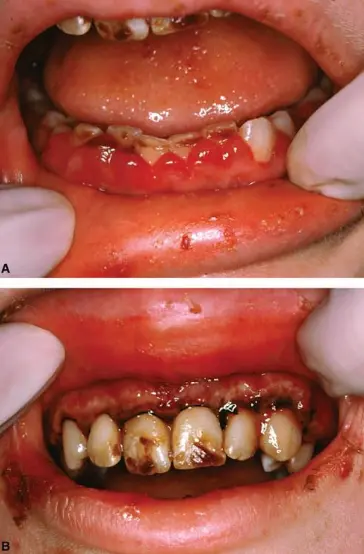
- pallor, mucosal bleeding, petechiae, local infections
- lymphadenopathy, laryngeal pain, gingival bleeding, oral ulceration, gingival enlargement
ALL
leukemia
- primarily disease of early childhood, peak incidence of 2-4yo
-
diagnosis
- cause
- due to clonal proliferation of lymphoid cells that have undergone maturational arrest in early differentiation
- typically malignant proliferation of B cells (t cell version less common)
- immature lymphoblast can accumulate in bone marrow, peripheral blood, lymph nodes, liver, spleen
- clinical manifestations/symptoms
- flu like symptoms
- bone and or joint pain due to malignant marrow expansion
- marrow failures results in thrombocytopenia, manisfested by petechial skin and posterior palate haemorrhage, gingival bleeding, gingival infiltration by leukemic cells and gingival ulcerations occurring in 6 months or less
- oral manifestations
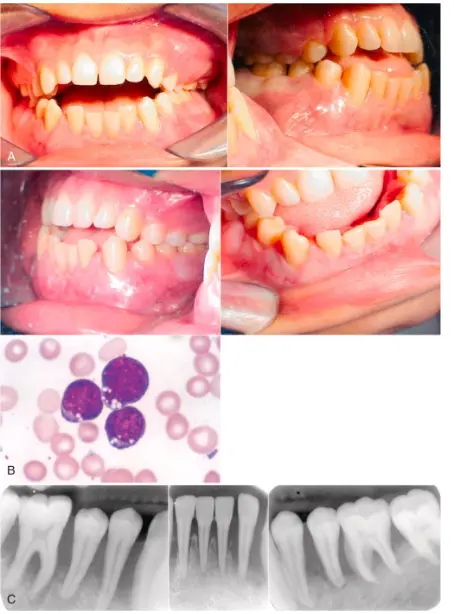
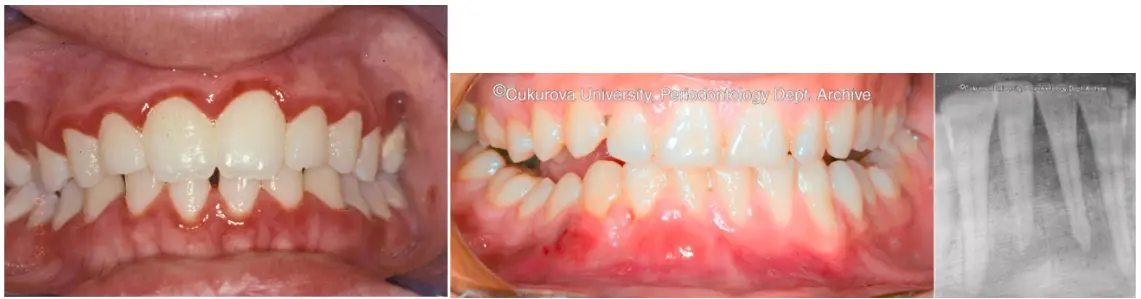
- generalised redness of marginal gingiva, with spontaneous bleeding
- alveolar bone destruction with gingival enlargement
- rapid mobility of teeth, gingival swelling, persistent fever, joint pain, gingival hyperplasia and expansion of jawbone , abnormal trabeculation, radiolucency around roots
CML
leukemia
- chronic has less pronounced marrow failure and takes an indolent course than acute forms
- more common in older people and males
- diagnosis
- genetic basis is reciprocal translocation of ABL gene from chromosome 9 to BCR gene on chromosome 22
- cause
- exposure to ionising radiation and benzene containing products have been associated with CML
- clinical manifestations/symptoms
- can be no symptoms for first 3-5 years
- fever, weakness, fatigue, anorexia, weight loss, splenomegaly, anaemia, infection
- oral manifestations
CLL
leukemia
- more comon in older people aged >65 years
- usually found in routine CBC testing
-
diagnosis
- cause
- abnormal proliferation of CD5+ B lymphocytes
- clinical manifestations/symptoms
- fever, night sweats, weight loss, fatigue, lymphadenopathy
- aneamia or thrombocytopenia
- oral manifestations
- infrequent, generally related to bleeding with lesions becoming more prevalent after start of chemo
- exfoliative cheilitis, infection with herpes and candida, haemorrhagic lesions, mucositis
Bleeding disorders and anti-coagulants
Thrombocytes
- play a key role in normal blood clotting
- adhere to injured endothelium
- provide surface for coagulation cascade
- normal reference range 150-400 x 10^9 / L
Haemophilia
- X linked recessive
- symptom
- spontaneous bleeding
- bleeding into joints and associated pain and swelling
- can lead to life threatening tissue haemorrhage
- haemophilia A
- deficiency of clotting factor VII
- more common
- haemophilia B
- deficiency of factor IX
- treatment
- usually requires factor VIII concentrates
Anticoagulant therapy - heparin
- usually given IV
- monitored by APTT
- indicated in
- prophylaxis and treatment of thromboembolic disorders (pulmonary embolism and occlusive vascular disease)
- prevention of thromboembolic complications arising from cardiac and vascular surgery, frostbite, dialysis and other perfusion procedures
Anticoagulant therapy - warfarin
- aka coumadin
- monitored by INR/PT
- administered orally
- has a half life of 3-4 days
- inhibits synthesis of vitamin K dependent coagulation factors: VII, IX, X, II
- indicated after surgery - cardiac valve replacement and arterial grafts
Dental consideration
- warfarin
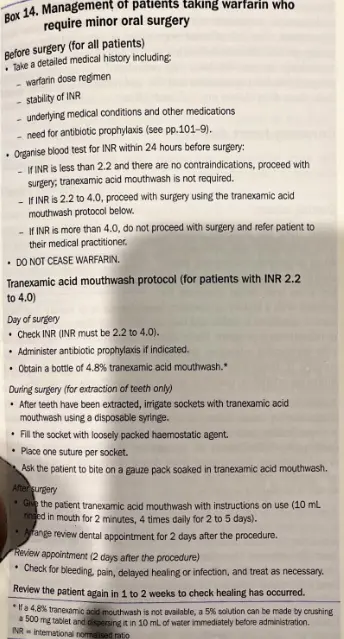
- INR performed prior to surgery
- most surgery can be performed with inr <3
- heparain
- generally restricted to hospital in patients
- dialysis patients receive heparin while being dialysed