Module 11
OPM Pharmacology
Key drug classes
- antibiotics
- antifungal
- antiviral
**Other - saliva substitutes and stimulants
- antiseptics
- immunosuppresive therapies,
Antibacterials
Each type of antibiotics has a specific mechanism of action
-
first introduced in 1940s
-
target specific feature to effectively kill bacteria or inhibit their growth
-
prolonged courses can facilitate development of drug resistance
-
prescription only when clear indication and need
-
types
- beta lactam derivatives (penicillin, cephalosporins)
- macrolides
- tetracyclines
- nitroimidazoles
- lincosamides
-
Penicillins target bacterial cell walls and are effective against gram-positive bacteria.
-
Cephalosporins, similar to penicillins, have a broader spectrum of activity.
-
Tetracyclines inhibit protein synthesis and are effective against a wide range of bacteria.
-
Aminoglycosides also inhibit protein synthesis and are mainly used for severe gram-negative infections.
-
Sulfonamides interfere with bacterial metabolism and are used for various infections.
-
Fluoroquinolones inhibit DNA replication and are effective against both gram-positive and gram-negative bacteria.
-
Macrolides inhibit protein synthesis and are often used for respiratory infections.
-
Carbapenems are broad-spectrum antibiotics that target cell walls and are used for severe or high-risk bacterial infections.
-
Lincosamides inhibit protein synthesis and are used for severe infections caused by susceptible bacteria.
-
Glycopeptides inhibit cell wall synthesis and are primarily used for gram-positive infections.
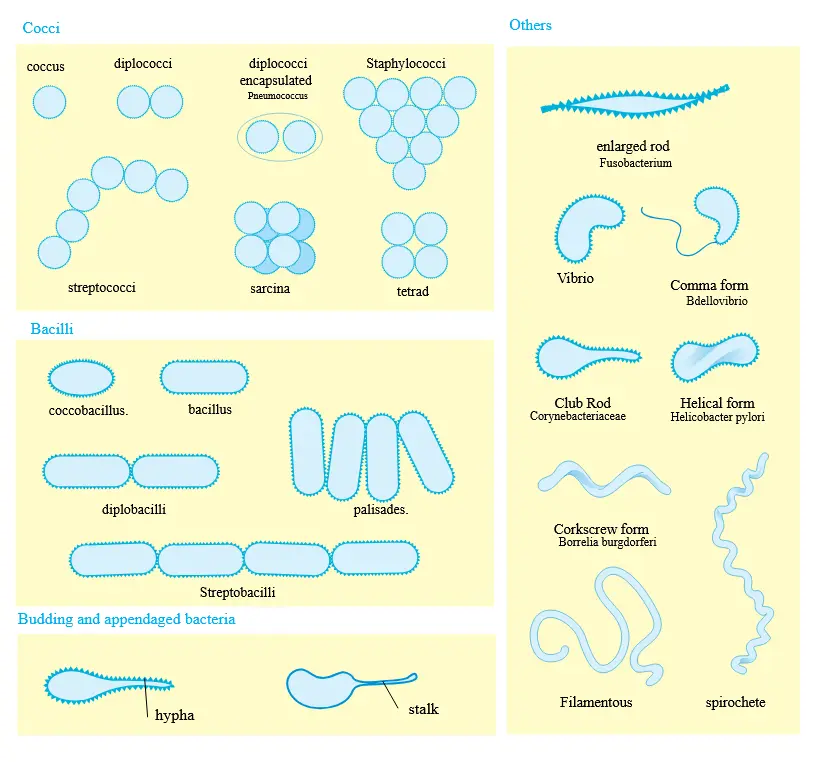
Beta lactam derivatives
- penicillin G / benzylpenicillin
- beta lactam ring is responsible for inhibition of bacterial cell wall synthesis in susceptible species (gram positive bacteria)
- target
- bacteria with beta lactamases
- cephalosporins
- cefalexin
- ceftriaxone
- ampicillin
- first derivative of penicillin for extended spectrum including several gram negative bacteria, including Hemophilus influenza, which causes maxillary sinus infection
- amoxicillin
- identical spectrum of activity of ampicillin, but exhibits greater oral bioavailability, absorption not affected by food, and longer half life
- usually dose 1.5-3g daily, about 5-7 days typically
- amoxicillin + clavulanic acid
- severe refractory odontogenic and periodontal infections with spreading cellulitis, sinus infections colonised by penicillin resistant bacteroides and prevotella species or Hemophilus influenza
Macrolides
- binding to 50s ribosomal subunit of susceptible organism, resulting in protein synthesis
- erythromycin
- azithromycin, roxithromycin, clarithromycin
- historically alternatives for penicillin
- associated with increased risk of cardiac arrythmia due to QT prolongation in susceptible patients
Lincosamides
- structurally similar to macrolide with same mode of action
- binding to 50s ribosomal subunit of susceptible organism, resulting in protein synthesis
- clindamycin
- active against gram positive cocci, many penicillin resistant staphylococci, anaerobic species such as Bacteroides species
- good for abscess resistant to amox and metronidazole
- unfortunately associated with Cdiff colitis
- avoid if history of colitis/GI/digestive condition
Tetracycline
- bacteriostatic
- binding to 30s bacterial ribosome to inhibit protein synthesis
- useful adjunct for perio infection, highly active against many microorganisms in perio disease and high bioavailability in gingival sulcus
- tetracycline and minocycline have some anti-inflammatory properties
- doxycycline and minocycline preferred for treatment of perio infection
- hypersensitivity reaction rarely encountered by can cause blue grey pigmentation of skin, oral, dental tissues
Nitroimidazoles
- unremarkable broad spectr5um against parasites, mycobacteria and anaerobic gram positive and negative bacteria
- MOA
- prodrug which is converted to a toxic radical within anaerobic microbes, radical destroys DNA and components
- bactericidal against most anaerobic organisms
- metronidazole
- useful alternative to penicillin for treatment of oral infections cause by beta lactamase producing anaerobes
- first choice drug for necrotising ulcerative gingivitis and pericoronitis
- can be used as adjunct to amoxicillin for patients with spreading infection or pyrexia
- avoid with warfarin, causes warfarin to be twice as strong with same dose
- metronidazole inhibit cytochrome p450 enzyme cyp2c9, which metabolises enantiomer of warfarin
Antiseptics, Salivary Substitutes, Antifungals
Chlorhexidine
- bisguanide antiseptic used in dental and medical treatment
- developed in 1940s, marketed in 1954 for topical antiseptic
- initially used for endo and presurg disinfection of the mouth
- antimicrobial is dose dependant
- low dose (0.02-0.06%) is bacteriostatic
- high dose (>0.12%) is bactericidal
- target
- broad activity against bacteria
- mainly gram positive bacteria, fungi and lipophilic viruses (HSV, HIV, CMV, influenza)
- may be sporicidal at elevated temperatures
- common adverse affect
- brown discolouration of teeth and tongue
- temporary taste alteration
- uses
- CHX gluconate 0.12-0.2% mouthwash 15ml 30s bid
- spray (0.12-0.2%) or gel (0.12-1%) for appication to teeth, RAS, dental varnish for caries prophylaxis (1%, 10%, 40%)
- can have good impact on halitosis, especially reducing levels of anaerobic bacteria related with bad breath
Povidone Iodine
- bactericidal, fungicidal, virucidal
- most common form is 10% povidone iodine in water
- 10% iodine with povidone (organic carrier) to provide controlled release of iodine
- povidone iodine
- bactericidal effect similar to pure iodine, effective against most bacteria including putative periodontal pathogens, fungi, mycobacteria, viruses, protozoa
- differently from CHX
- povidone iodine doesn't show cytotoxic effects on human cells
- allergy
- iodine
- shellfish??
- complication
- too much iodine affects thyroid, cause goitre, myxoedema and hyperthyroidism
Sialagogues and saliva replacement
- 0.6L saliva a day
- 90% major
- 10% minor
- cause of xerostomia
- Sjogren
- t2dm
- head and neck radiation
- stress, mental health
- frequent liquid intake can alleviate xerostomia to an acceptable level
- salivary replacement
- natura lubricants such as olive oil and milk can provide some benefit
- commercial oral lubricants use chemicals of high viscosity to mimic physical properties of natural saliva
- combination of lactoferrin, lysozyme, lactoperoxidase incorporates antimicrobials naturally found in human saliva and has been utilised in many products
- biotene, bioxtra, oral7 etc.
- sialogogue (promotes secretion of saliva, can be topical or systemic)
- 1% malic acid spray can help, but potentially lead to enamel erosion
- chewing gum asociated with increase saliva production in majority of those with residual capacity
- pilocarpine commonly given at doses of 5mg 3x a day
- cevimaline further cholinergic agent
Antifungals
- 3 main categories
- polyenes
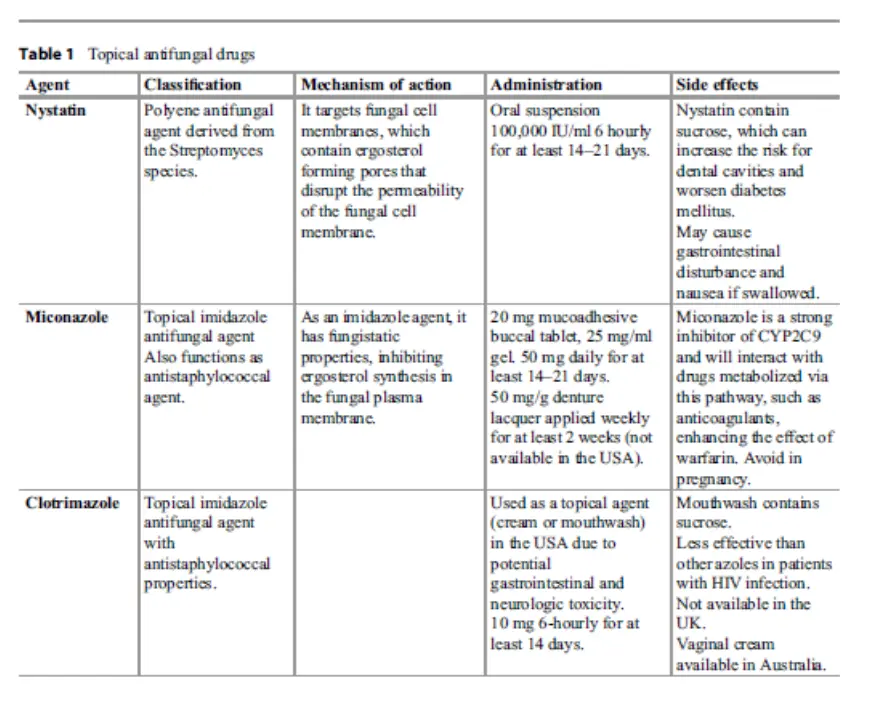
- nystatin
- amphotericin B
- ergosterol biosynthesis inhibitors (azoles)
- imadazole
- miconazole (synthetic imadzole, also antistaphylococcal)
- clotrimazole
- triazole
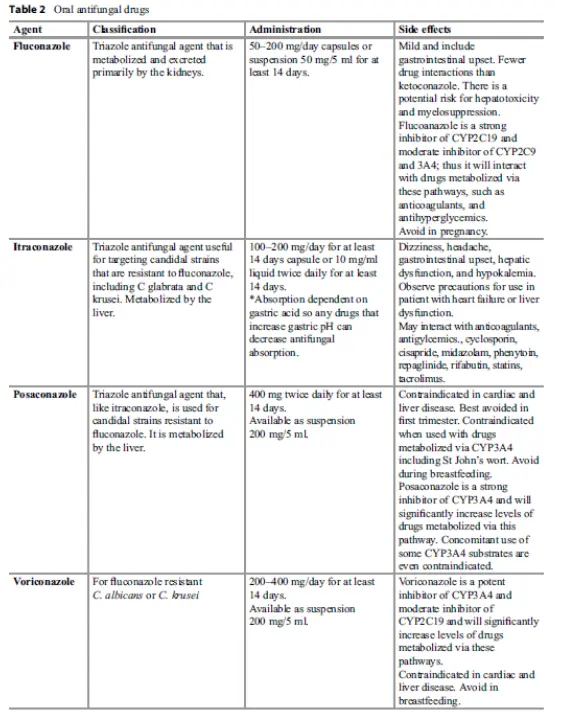
- fluconazole (broad spectrum)
- itraconazole (useful for fluconazole resistant candidal strains)
- posoconazole (broad spectrum 2nd gen)
- voriconazole (broad spectrum 2nd gen, for esophageal candidiasis, candidema, invasive fungal infection)
- imadazole
- allylamines, thiocarbamates, morpholines
- dna analog 5 fluorocytosin
- caspofungins (IV)
MOA
- polyene
- target/binding fungal cell membranes which contain ergosterol, forces membrane to form pores which disrupt permeability of fungal cell membrane (lets vital cellular components to leak out)
- imidazole
- fungistatic, inhibiting ergosterol synthesis in fungal plasma membrane
Antivirals, Corticosteroids, Immunosuppressives
Antivirals
- aims to
- block viral replication
- shorten duration of symptoms
- accelerate healing of lesions
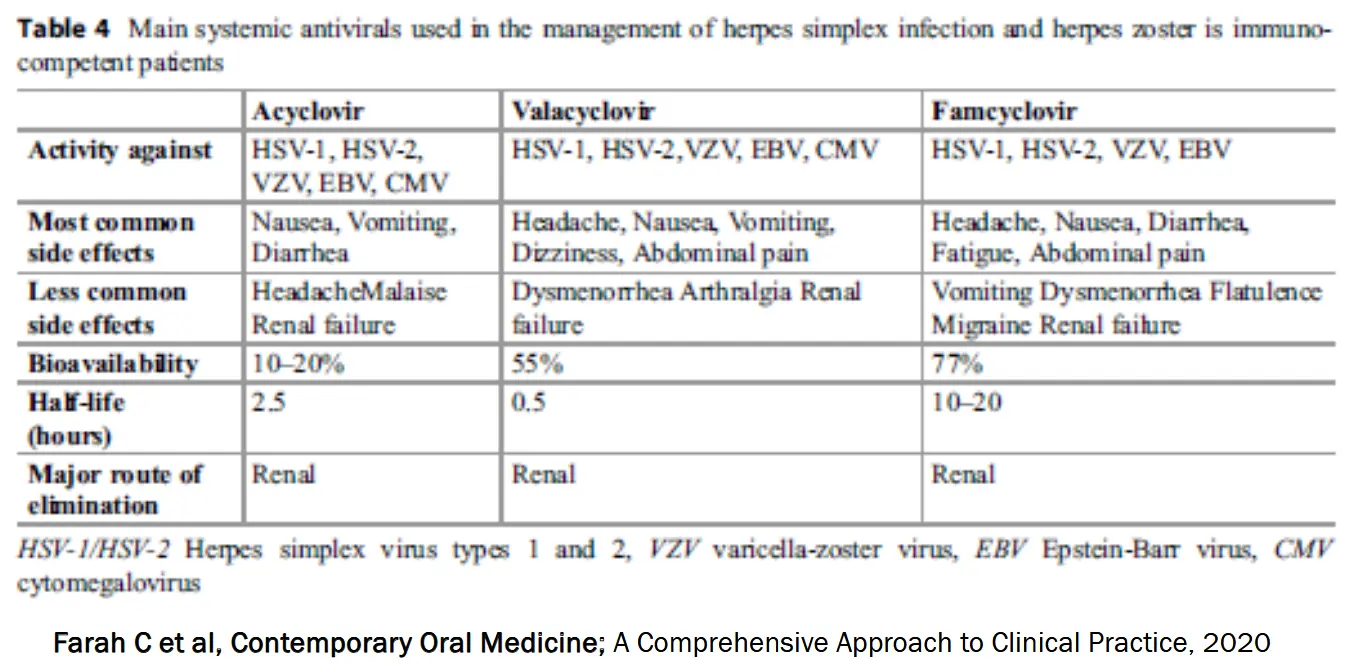
- antivirals for HSV/VZV are either topical or systemic, all target viral DNA replication and theres 3 classes
- acyclic guanosine analogues
- acyclovir (potent, selectively active against herpes virus group)
- famcyclovir (prodrug of pencyclovir, useful against HSV)
- valacyclovir (prodrug of acyclovir, better absorbed/bioavailability +55%)
- gangcyclovir, pencyclovir, , valgancyclovir
- acyclic nucelotide analogue
- cidofovir, adefovir, dipivoxil
- pryophosphate analogues
- foscarnet (IV herpes virus)
Corticosteroids
- 2 types
- glucocorticoids
- mineralocorticoids
hpa axis
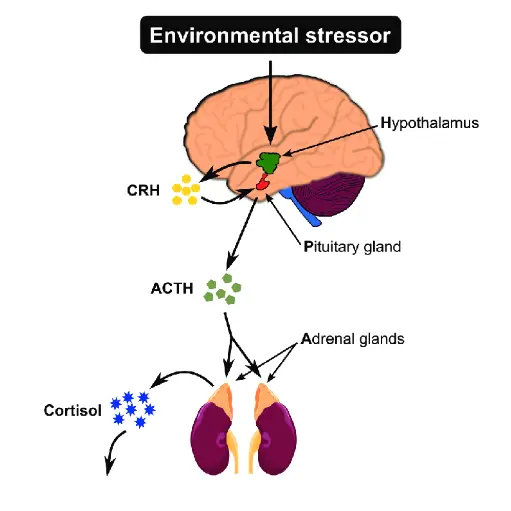
Glucocorticoids: systemic corticosteroids
- cortisol (natural GC) secreted from arenal glands at 20-30mg a day
- number of synthetic corticosteroids mimic cortisol, can be used for
- hormone replacement therapy (hypoadrenocorticism)
- anti inflammatory agents
- systemic glucocorticoids can be used for short or long term therapy
- 3 weeks short
- more than 3 weeks long
- some groups at higher risk of side effects
- osteoporosis
- weight gain
- increase blood glucose
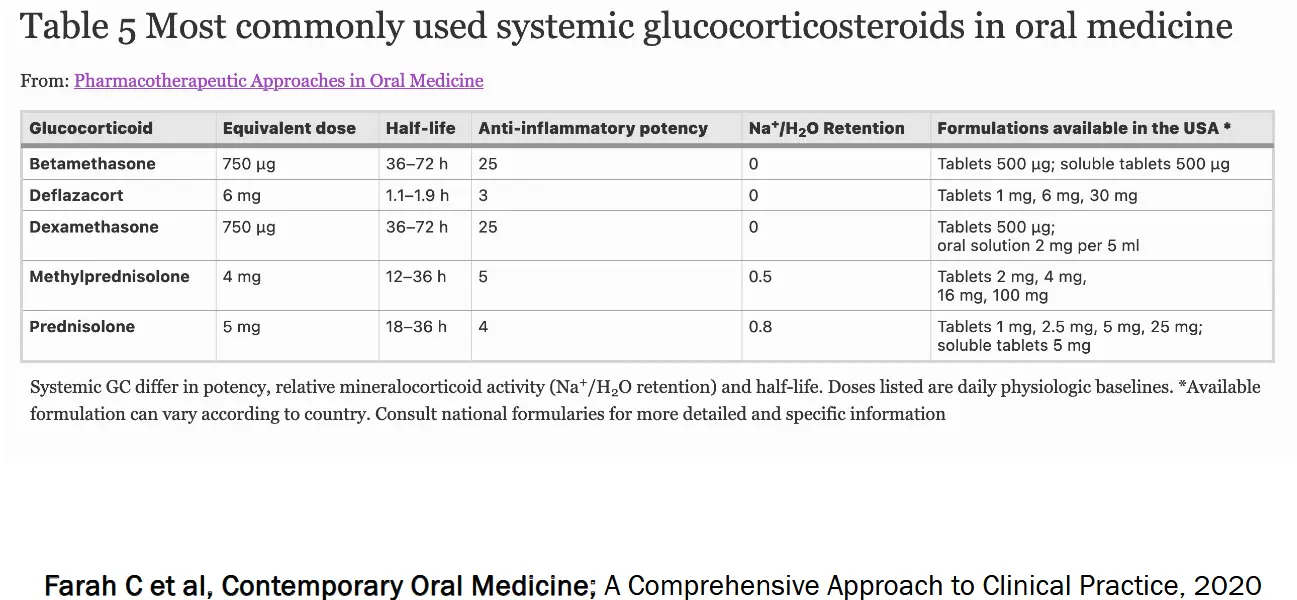
dosage considerations
- tapering off not necessary in short term therapy but very important when treatment has lasted longer than a few weeks, to allow for adrenal recovery
- reduce dose too quickly, will trigger corticosteroid withdrawal syndrome
- arthralgia, myalgia, mood change, fatigue, headache, GI complaint
- osteoporosis most common long term GC therapy side effect
- occurs in 30-50% of patient that aren't treated with preventative measures
Topical Corticosteroids
- ointment glucocorticoids
- twice or three times daily application usually recommended
- greatest problem of its use in oral cavity is decreased adherence to mucosa for period required
- adhesive gel such as carboxymethylcellulose or hydoxyethyl cellulose can be employed and mixed in equal parts with topical GC
- duration of application varies between 4 and 30 mins, custom made tray best for gingival lesions
Intralesional corticosteroids
- used for management of localised lesions in patients with erosive OLP and for lip swelling in patients affected by orofacial granulomatosis
- triamcinolone acetonide 40mg/ml has been mainly used as intralesional GC, appears to represent effective therapeutic strategy to control permanent disfiguring swelling
Immunosuppressive and anti-inflammatory agents
- major goal of management of patients with immunologically mediated diseases is reduction of patients cumulative exposure to systemic corticosteroids
- immunosuppresive in 4 categories
- calcineurin inhibitors
- cyclosporine
- tacrolimus
- pimecrolimus
- inhibitors of purine and pyrimidine synthesis
- azathioprine
- mycophenolate mofetil
- alkylating agents
- cyclophosphamide
- antimetabolites
- methotrexate
- all have glucocorticoid sparing effects but also affect b cells and t cells
- drugs with anti inflammatory rather than immunosuppressive action
- colchicine
- dapsone
- tetracycline
- thalidomide
Biologic agents
- monoclonal antibodies with biologic source that includes
- human -mab
- humanised -zumab
- chimeric -ximab (e.g. mouse human)
- or variant fusion proteins -cept
- used in variety of oral diseases
- behcet, severe RAS, bullous disease, OLP, crohn/OFG, SJS, cGvHD, oral cancer
- but mostly for bullous diseases and oral cancer