Implants
Basic principles
implants
- pure titanium is highly bio compatible and has an affinity for bone
- if placed in direct contact with undamaged bone cells, fresh bone will be deposited on the titanium surface and can be a very stable and dynamic bone
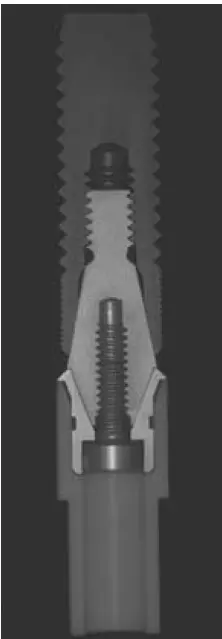
- implants typically titanium cylinders with coarse external thread and an internal threaded space allowing for resto to be attached to the implant
- 3 parts
- implant/fixture, placed in residual alveolar bone
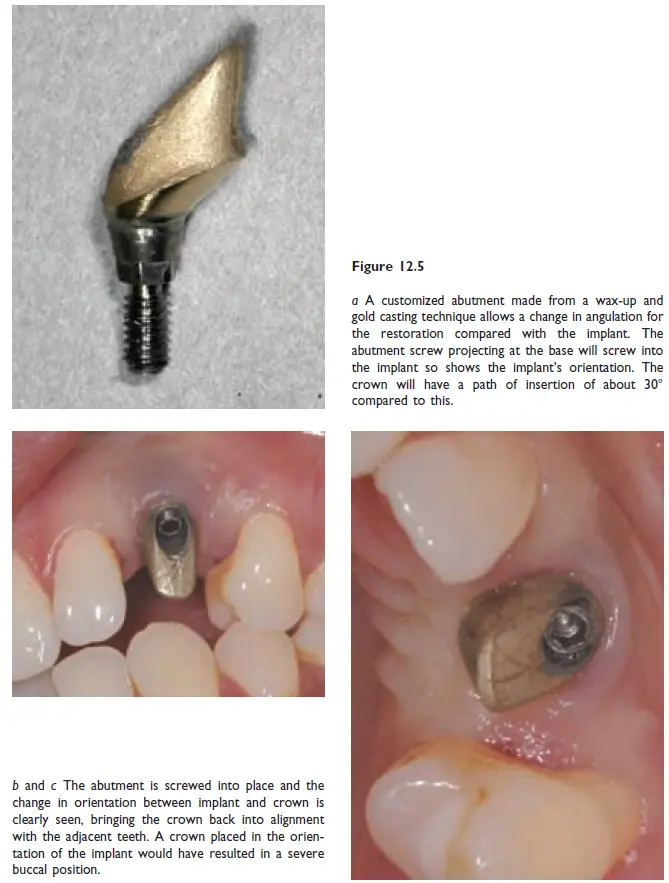
- abutment, attached to and removable from the implant, extending through soft tissues and gives support to resto
- resto, crown bridge, rem denture
- typically placed for 3 months to allow for bone to grow on surface before abutment and resto placed to resist occlusal loads
Osseointegration
- process of titanium implant fusing into alveolar bone
- similar to ankylosis
- surface finish of titanium is very important in affected speed and degree of bone apposition on the surface
- slightly roughened surface (40-80 microns) is similar to acid etched or sandblasted is better than very smooth or course surfaces
- features affecting integration process
- bone must be in close contact, hole cut for implant must permit a tight fit
- must be uncontaminated titanium surface with commercially pure titanium
- bone cant be damaged, particualrly by heating, 3-4 degrees of rising temp may damage osteoblasts and prevent osseointegration
- density, vascularity and volume of bone important
General indications
- spaced dentition where bridges are impossible
- key abutment teeth missing
- no suitable abutment teeth
- long spans with previous bridge failure
- disturbance of current restos is more complex/expensive than ipmlants
- adjacent teeth are unrestored
General contraindications
- uncontrolled diabetic patient, more surgical complications, higher risk of long term loss of implants
- following raidotherapy, less vascular bone likely
- uncontrolled perio, higher ris kcomplication
- heavy smoking, even if long term heavy smoker who has quit
- younger patient, 18 for women or 21 for men
- strong bruxing habit more complications
Designs
- many different type
- width 3-6mm, usually 3.75-4mm
- wider implant more surface area for greater mechanical strength and osseointegration
- length from 6-20mm, usually 9-13mm
- longer can be harder to place, harder to cool the burs
- abutment varies
- most have transmucosal abutment, which mean implant is entirely in bone and part that extends through mucosa is detachable abutment
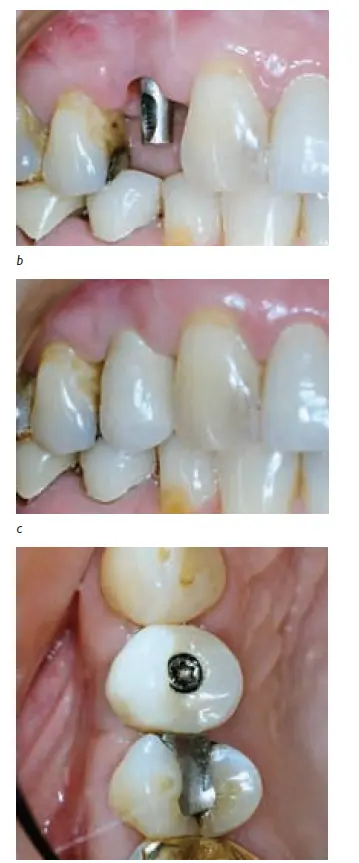
Abutment
- screw or cement retained
- screw very predictable, can just composite over it after if single implant to never be removed
Impression
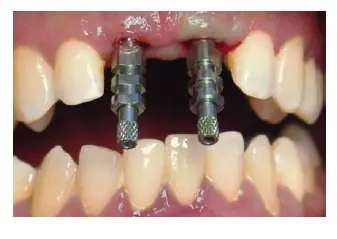
- impression coping
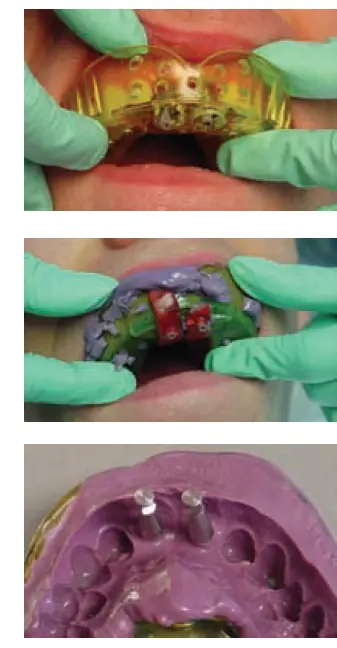
- use identical coping for master cas
Resto
- single tooth usually metal ceramic or all ceramic
- extensive bridges may be gold or titanium frame with acrylic teeth over top or lab composite
Implant survival
- soon after
- surgical complications
- time of loading
- lack of osseointegration which failed to develop during healing
- years later
- mechanical overloading or implant
- peri implantitis - progressive boen loss
- no bone loss can be demonstrated over many years, any degree of bone loss should be investigated and treated
- restoration failure common, patient has no PDL so no normal proprioception from implants
- depends on all factors
Planning
- planning is complex, the implant itself is not
- number and position
- short implants have to be splinted to other implants
- minimum space required as per manufacturers instructions
- no margin for error in placing
- use surgical guide from CT scan using radiolucent stent and radiopaque markers to create it
- bone and grafting
- inadequate bone/soft tissue can be augmented by a grift
- bone harvested from retromolar, edentulous sites, hip, cranium, mental
- appearance
- use a realistic denture with tooth over ridge exactly where planned to give a realistic look of what it will be like
- radio
- OPG, CT, lone cone
- provisional
- can give provisional denture modified to fit over implanted area
Surgical procedures
procedure
- typically teeth extracted 6-12 weeks prior
- strict aseptic technique
- series of drills with increasing diameter, until ideal hole made
- then implant slowly screwed into bone utilising self cutting threads
- one stage
- at implant placement a healing abutment placed and flaps are sutures so abutment is just projecting through soft tissue, holds back soft tissue to create soft tissue tunnel
- once healing of soft tissue and bone has occurred, implant ready to be restored
- most common approach
- two stage
- after insertion of implant, hole for abutment screw is sealed with cover screw and flaps are sutured over the area
- healing period of 6-12 weeks
- second stage surgery performed to lcoated top of implant, removed cover screw and place healing abutment
- extra surgery but encourages uneventful healing with no loading to implants during healing
- best for bone graft or protection from loading not guaranteed
- immediate placement
- can be possible to extract a root and immediately place an implant into the site
- only if tooth uninfected, residual socket smaller than implant being placed
- increased risk of failure, usually placed where soft tissue and gingival contour maintenance is key for appearance
Abutment
- needs to be attached with manufacturers protocol
- impression made with silicon gingiva, and labial putty mask for master model
Impression
- special tray or modified stock tray
- polyether or silicone
Maintenance
- clinical and radio every year for 2-3 years and then longer recall
- no metal scalers around implants, plastic scalers only
Complications
signs of failure
- implant mobility
- pain or discomfort
- bone loss more than 1mm in first year or more than 0.2mm per year after
complications
- bone loss around top of implant may indicated occlusal overloading or poor oral hygiene