MODULE 5
#DEN4001
#D4/S1/W5
#Paediatrics
Molar Incisor Hypo mineralisation MIH
MIH
- development defects in the enamel of permanent molars and incisors
- type of enamel hypomin, quantitative deficiency of enamel mineralisation
- primarily affects first permanent molars, but also incisors
- demarcated creamy white to yellow brown opacities or discolorations on enamel surface
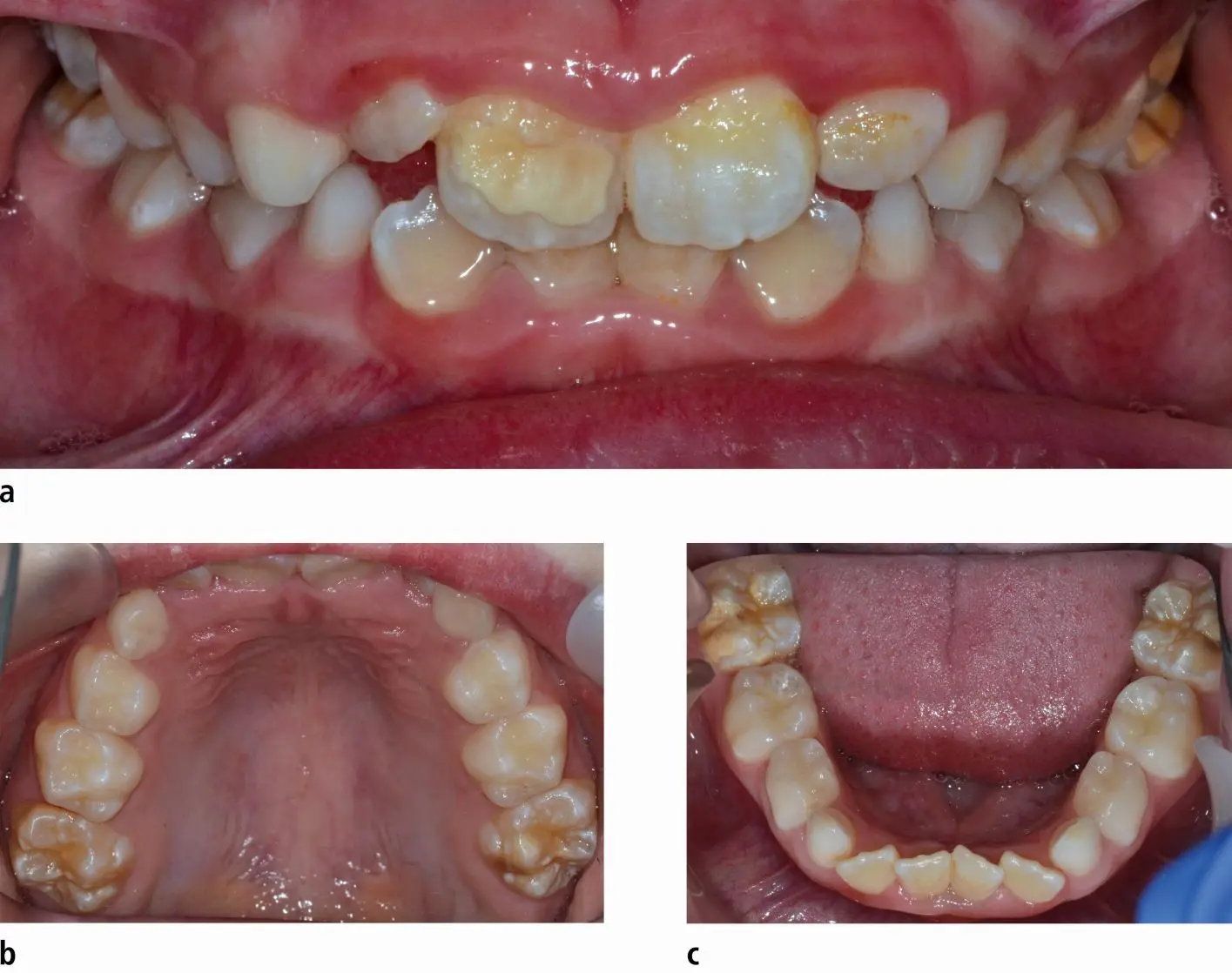
- lower mineral content -> more prone to caries and fractures
- more sensitive to temperature changes/sensitivity
- developmental defect occur during mineralisation stages of tooth development, usually happens within first few years of a childs life
- combination of genetic and environmental factors
- prenatal and perinatal complications, childhood illnesses
- exposure to certain environmental toxins may play a role
- asthma, adenoid infections, tonsillitis, fever, antibiotics
- treatment involves addressing specific needs of the anemel
- fluoride, selanat
- filling/crown
- more important to receive regular dental care and to address complications
Diagnostic criteria
- demarcated opacity
- normal thickness but white, yellow brown, still smooth surface
- post eruptive enamel browndown
- deficiency of surface after eruption
- atypical restoration
- resto extended to buccal or palatal smooth surface,
- opacity at border of restoration
- extracted molar due to MIH
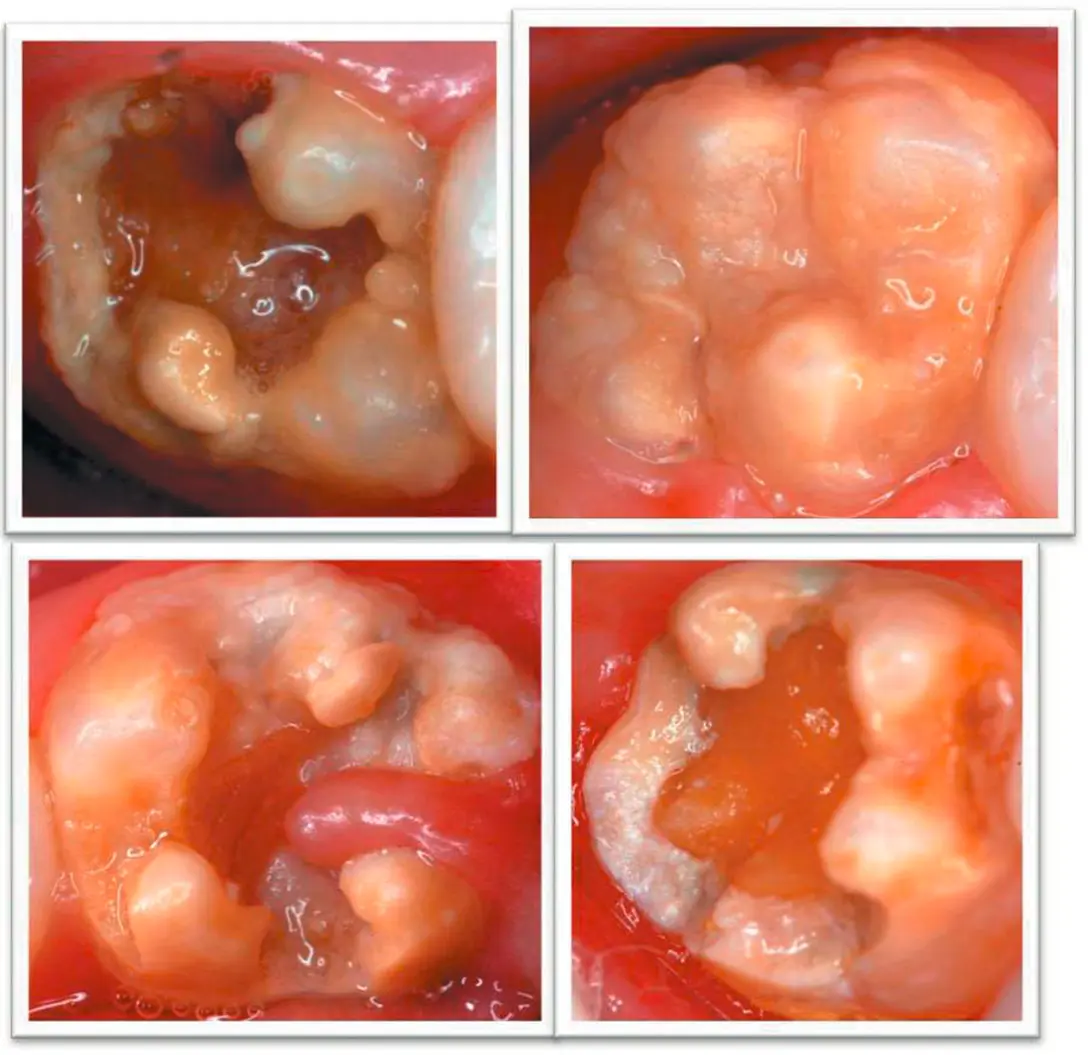
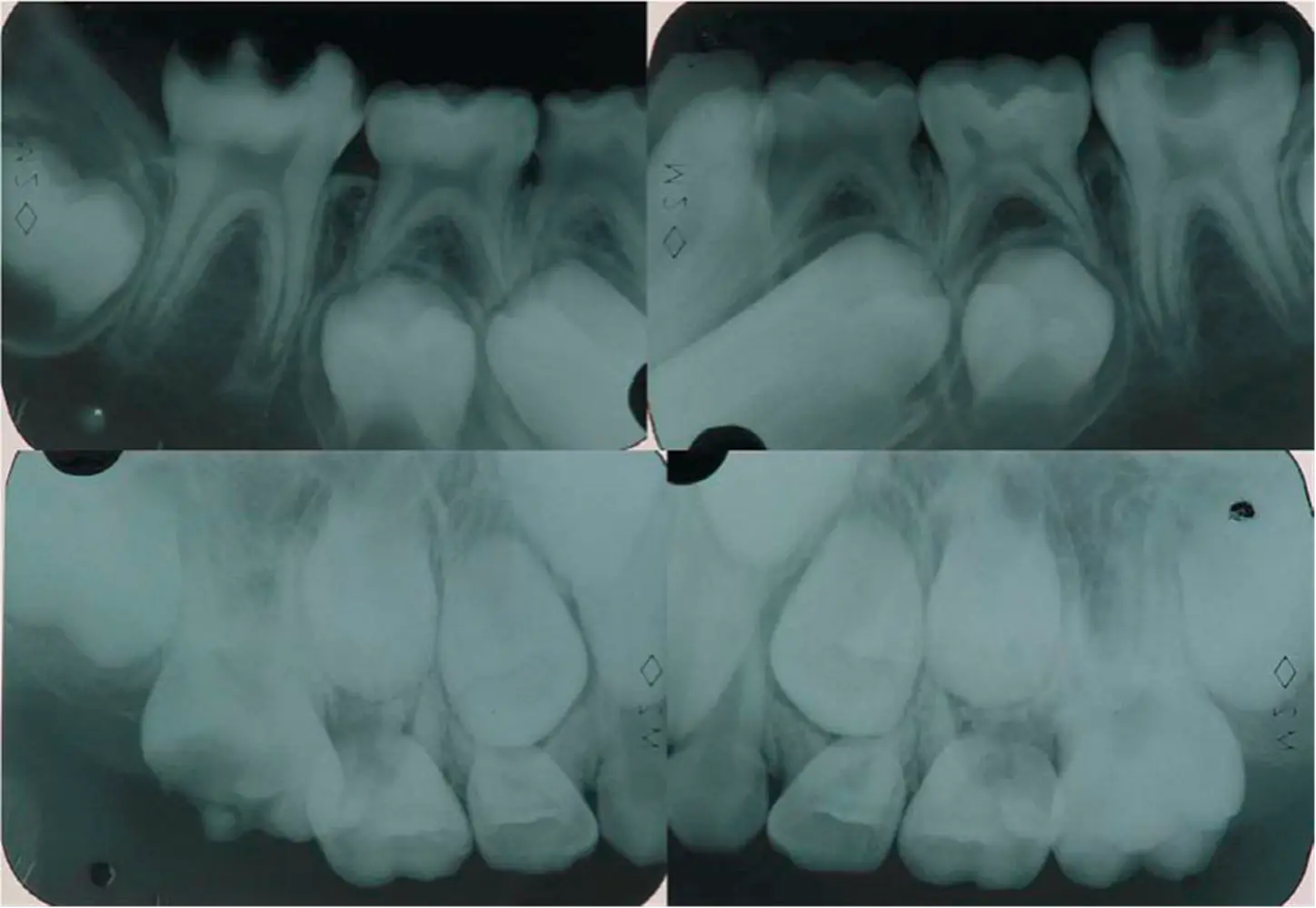
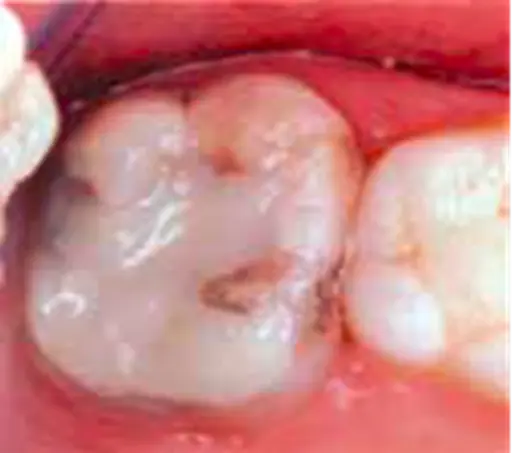
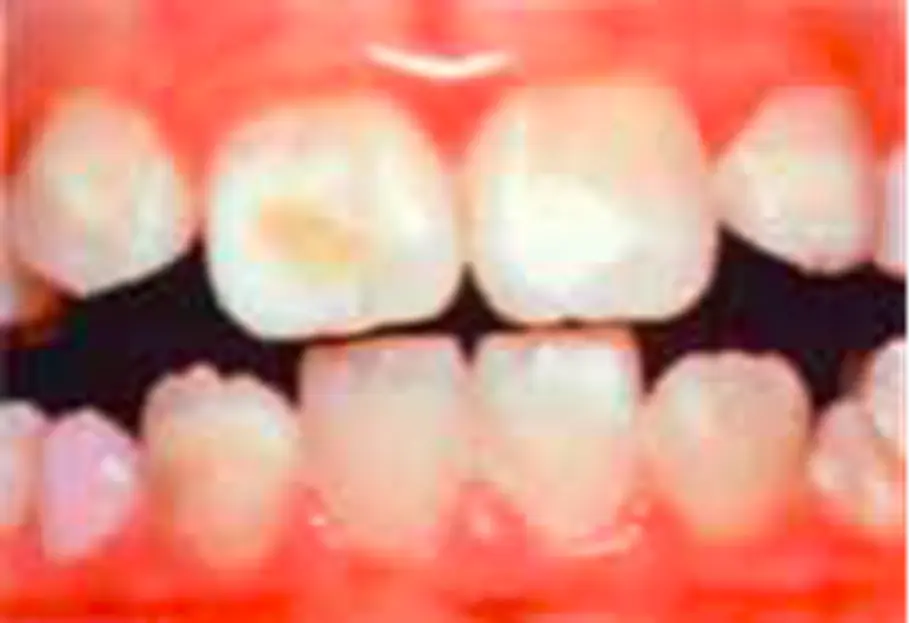
Prevalence
- about 20%
- similarly, there is hypomineralised second primary molars HSPM
- increased likelihood for both if one
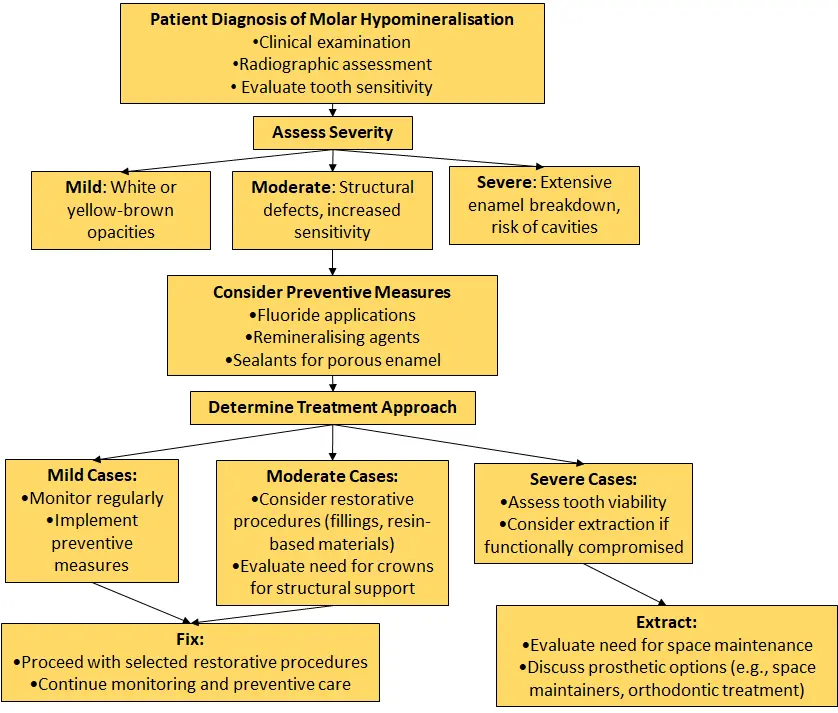
Management
teeth are
- increased porosity
- decreased hardness
- decreased mineral content
- defective microstructure
- increased carbonate content
- poor bonding properties
- associated pulpal changes
results in
- extreme sensitivity
- ineffective LA
- increased caries risk
- wear
- erosion
- post eruptive breakdown
- poor restorative results
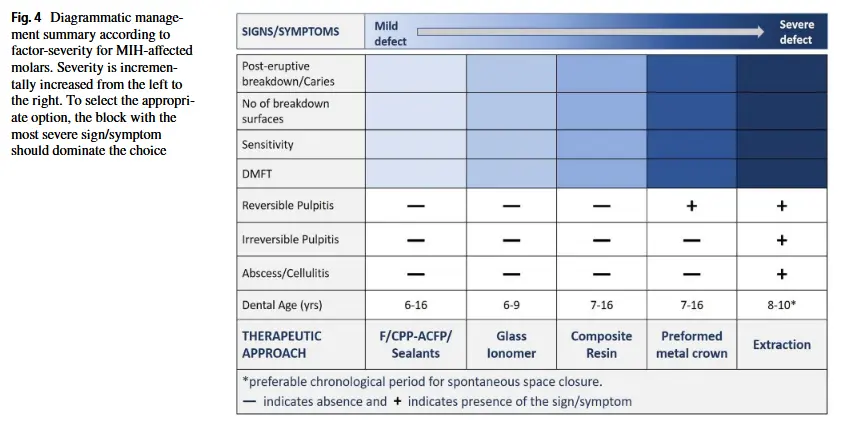
Six steps to managing
- risk identification
- early diagnosis
- remineralisation and desensitisation
- prevention of dental caries and posteruptive enamel breakdown
- restorations and extractions
- maintenance
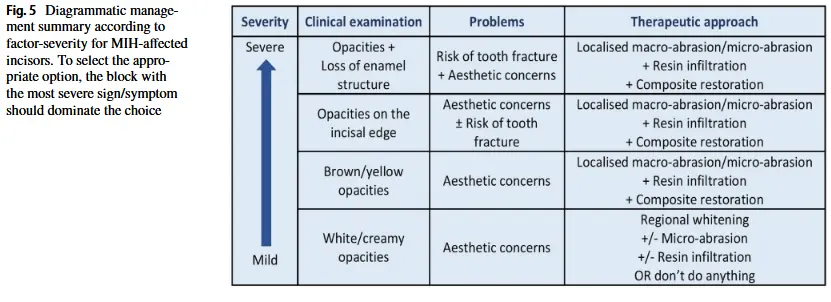
Factors to consider/Management for anterior teeth
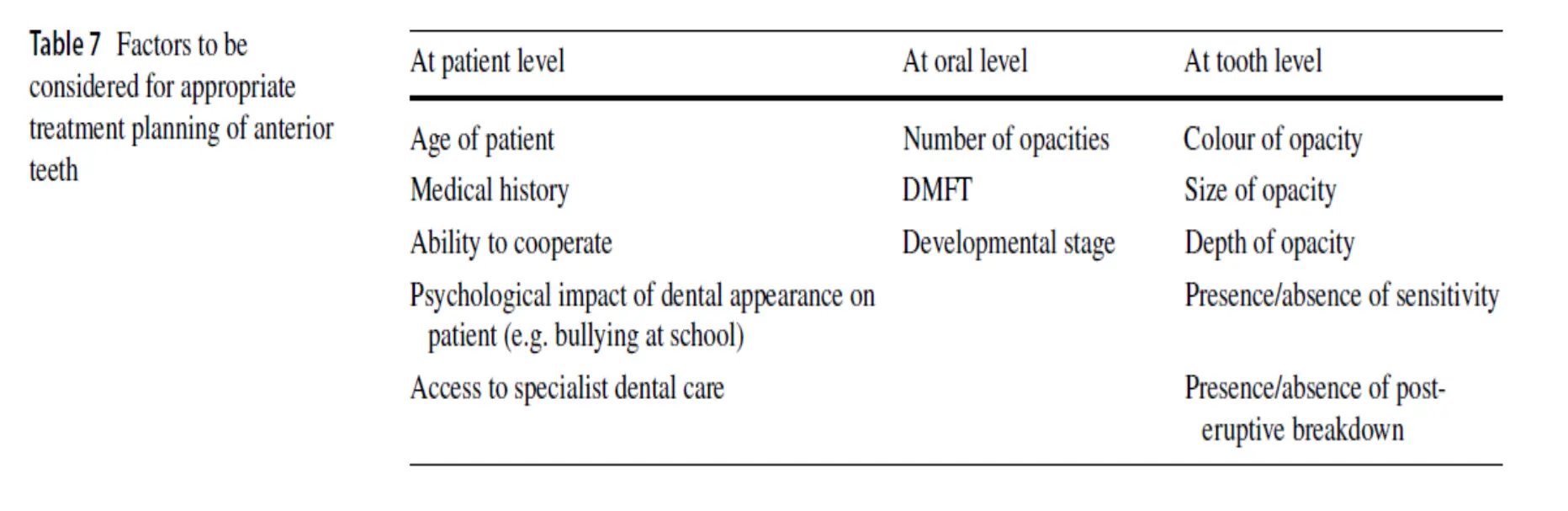
- management
- microabrasion
- either 18% HCl or 37% phosphoric acid followed by CPP ACP remin agent
- composite restorations
- resin infiltration
- ideally with triethylene glycol dimethacrylate monomer (TEGDMA)
- need better OH practices as infiltrated enamel is more susceptible to staining
- porcelain veneer / crowns
- wait until late adolescene when teeth are fully erupt and gingival architecture stable
- etch bleach seal
- questionable effectiveness
- external bleaching
- strongly consider side effects of gingival irritation and sensitivity
Management of first permanent molar
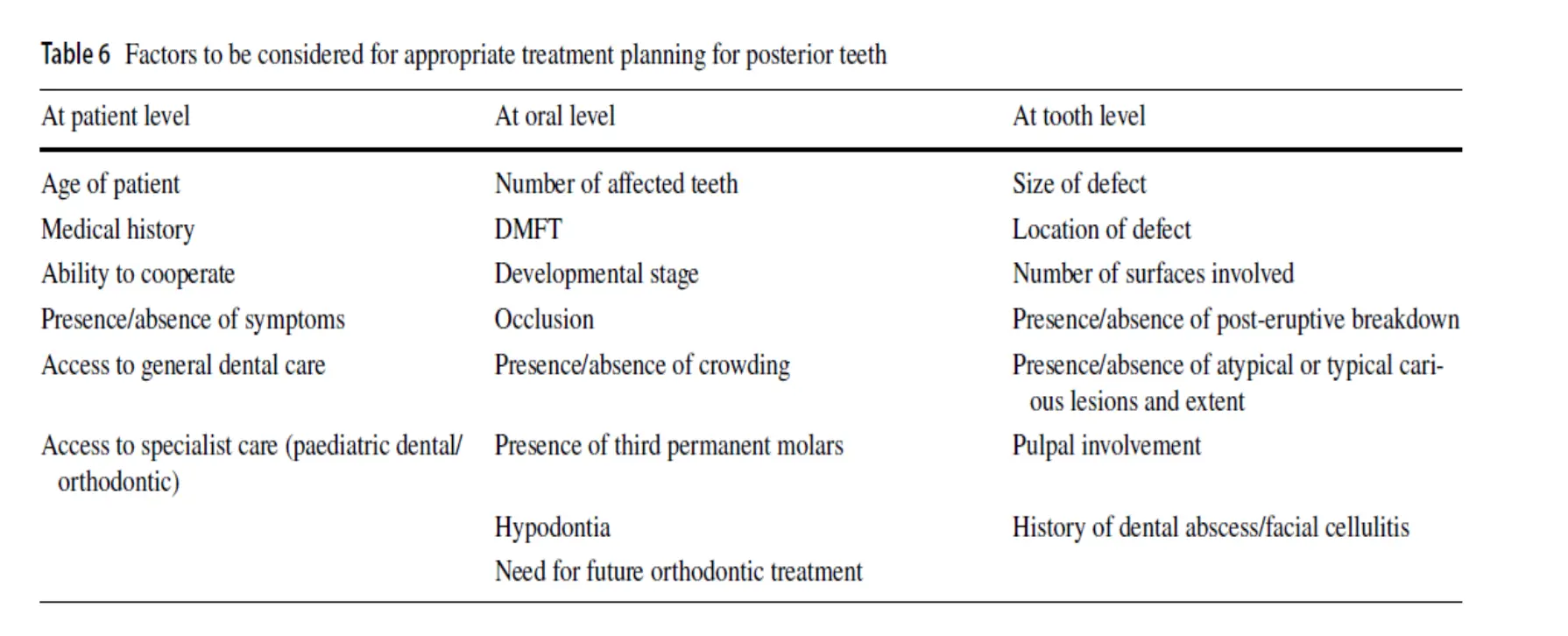
- difficult when tooth is restorable but questionable prognosis
- considerations for tooth preparation
- all defective enamel removed to sound surfaces, best when adhesive material for enamel bonding
- remove only very porous enamel, more conservative but defective enamel can continue to break down, use slow speed to determine enamel quality
- hypo mineralised enamel should be left if no sign of clinical breakdown after 3-4 years
- hypomineralised enamel contains more protein than normal, can be treated with sodium hypochlorite to remove
- restorative materials
- amalgam, best to avoid
- GIC, poor wear resistance and best for temp only
- composite resins, small class I or 2 surface not involving cusps, where teeth are not sensitive
- gingival 1/3 of hypomin teeth are usually normal enamel, bonding in this region produces stable results
- SSC
- lab made crowns
- for considering extractions
- immediate management of dental pain
- long term prognosis of restored tooth
- large resto
- pulpal symptoms
- severe hypomin
- dental age
- type of malocclusion
- presence and condition of other permanent teeth
- balancing and compensating extractions
- timing
- best to exo first permanent molars between 8.5 and 10.5 years old, usually coincides with commencement of calcification of bifurcation of second molars
- timing more critical in mandible, if wanting space closure, early exo is better than later
- if first molar exo is done before 8yo, may result in 2nd premolar distal drift and rotation
- extractions undertaken after 12 years may result in spacing, tilting, rotation of teeth
- relationship between 2nd premolar and 2nd deciduous molar is very crucial, might need to exo 2nd deciduous molar same time as 1st molar to encourage vertical eruption of premolar
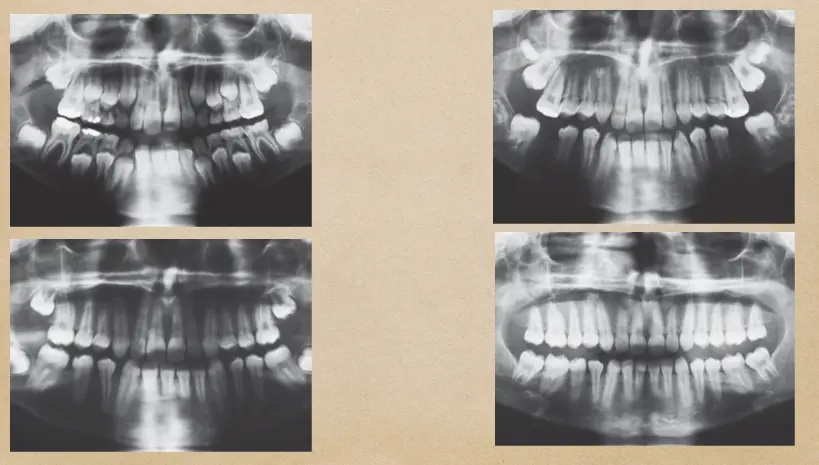
- 1st mandibular molars exo and ideal mesial drift of 2nd and 3rd molars
Balancing and compensating
- amount of overjet and crowding (buccal and labial) influence decisions around balancing and compensating extractions
- verify radiographically that other permanent teeth are present and in correct positions
- if 2nd premolar is tipped and only resorbing distal rot of 2nd deciduous molar, consider exo after 2nd premolar has half of its root formation
- if 2nd premolar excessive meso angular inclination, more likely to tip mesially ands require ortho uprighting
- should be no radiographic evidence of hypoplasia of unerupted premoalrs or 7s
- if premolar is missing, restoration of 6s is preferred
- if 7s are absent, 8s are very likely to be absent so really need to preserve the 6
- CASES
- balancing exo = contralateral side same arch
- compensating exo = ipsilateral side opposite arch (antagonistic)
Consequences of loss of 6s
- mandibular
- mesial tilting and lingual rolling of 7s, occlusal forces encourage mesial tilt and the lingual plate is thinner, can result in scissor bite
- over eruption of 6s if no occlusal stops, occlusal interference may prevent lower 7 to drift mesially, and predispose to TMD, compensating exo for upper 6 should be considered if not replacing lower 6
- incomplete space closure or formation of poor mesial contact if minimal arch crowding
- minimal space closure if broad and well spaced arch
- distal drift and tilt of the 5
- atrophy of alveolar bone if space closure incomplete
- maxillary
- maxillary molars develop with distal angulation, which favours spontaneous space closure, good approximation between 7 and 5 if 6 is exo around eruption of 7
- if class I buccal segment relationship, mandibular 6 will rarely over erupt as M cusp will occlude with maxillary E or 5
- if class II buccal segment relationship, mandibular 6 may over erupt, consider compensating exo of mandibular 6, only if favourable conditions for space closure in mandible, dental age 8-9, crowding present
- avoid maxillary 6 exo in CIII malocclusion